From Stressed to Centered: How Boston's Yoga Community Is Rewriting Wellness Stories
Local practitioners share how meditation and holistic practice transformed their health—and why the Hub's thriving yoga scene keeps expanding.
Local practitioners share how meditation and holistic practice transformed their health—and why the Hub's thriving yoga scene keeps expanding.
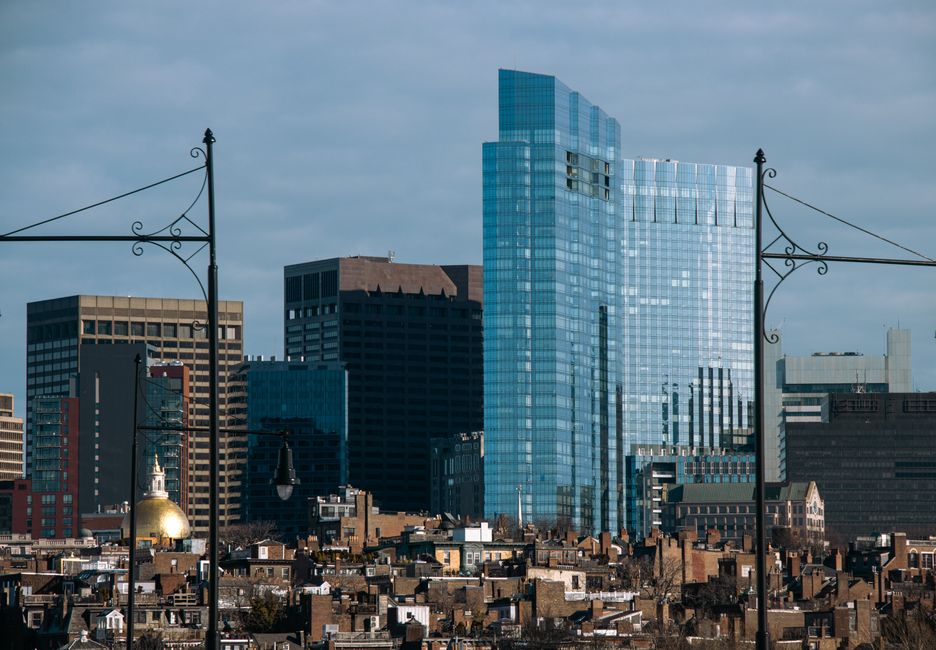
On any given evening along Beacon Hill's narrow streets, you'll find studios packed with Bostonians rolling out mats. What began as a fitness trend has evolved into something deeper: a genuine wellness movement reshaping how the city approaches mental and physical health.
The growth is measurable. Greater Boston now hosts over 200 dedicated yoga studios, a 40 percent increase since 2020, according to local wellness directory data. Studios cluster densely around Back Bay, Cambridge's Harvard Square, and Somerville's Union Square—neighborhoods where real estate premiums haven't deterred investment in community health spaces.
Behind the statistics are transformation stories. In neighborhoods from Jamaica Plain to the Waterfront, longtime residents report surprising shifts. A financial analyst working near the Prudential Center discovered that consistent practice addressed tension she'd carried for years. A retired teacher in Cambridge found that meditation complemented her physical therapy after knee surgery. A graduate student near MIT discovered that breathwork helped manage anxiety far more effectively than she'd anticipated.
These aren't miracle stories. They're incremental. The appeal lies precisely there: accessible, sustained wellness rather than dramatic overhauls.
Local organizations have recognized the demand's breadth. The Boston YMCAs across the city now offer subsidized classes—some Boston residents pay as little as $5 per class through scholarship programs. Community centers from Dorchester to Newton offer sliding-scale rates, making practice accessible beyond affluent neighborhoods. Nonprofits like the Kripalu Institute's Boston satellite provide training for teachers committed to underserved communities.
What distinguishes Boston's approach is integration with existing wellness infrastructure. Research institutions at Harvard Medical School and Boston University are actively studying yoga's measurable benefits on cardiovascular health, chronic pain, and anxiety—lending scientific weight to community practices. Hospitals increasingly refer patients to certified instructors, recognizing meditation and gentle practice as complementary to conventional treatment.
The Charles River Esplanade hosts free community classes during warmer months, drawing hundreds weekly. Neighborhood studios have become informal gathering places where practice transcends individual wellness toward collective resilience.
This shift reflects something important: Boston's wellness culture is maturing beyond Instagram aesthetics toward genuine, localized health transformation. Whether practitioners are managing work stress, recovering from injury, or simply seeking connection, the city's expanding yoga ecosystem now offers viable pathways.
For anyone considering starting, local studios offer trial classes. Most communities have options within a short walk. The real transformation, practitioners consistently report, begins with showing up—and Boston has finally made that remarkably easy.
This article was compiled by AI and screened before publishing. See our editorial standards.
How does this story make you feel?
Spread the word
About this article
Published by The Daily Boston
Daily brief
Free, in your inbox before 7am. Weekdays.
More in Wellness