The Rise of Outdoor Boot Camps: What to Expect
From the Esplanade to Boston Common, structured group fitness is transforming summer exercise—and it's more accessible than ever.
From the Esplanade to Boston Common, structured group fitness is transforming summer exercise—and it's more accessible than ever.
Walk along the Charles River Esplanade on any weekday morning, and you'll notice them: clusters of people in athletic wear, moving through circuits of burpees, sprints, and resistance drills while an instructor calls out encouragement. Outdoor boot camps have become a fixture of Boston's fitness landscape, transforming public spaces into informal gyms and reshaping how thousands approach summer exercise.
The phenomenon reflects a broader shift. According to fitness industry tracking, outdoor group exercise participation in New England has grown approximately 40% since 2023, with boot camps representing the fastest-growing category. The appeal is straightforward: structured workouts, community accountability, and zero commute friction. Unlike boutique studios requiring memberships, most Boston-area boot camps operate on a drop-in model, with single sessions ranging from $15 to $25.
What defines the modern outdoor boot camp? Expect high-intensity interval training blended with functional fitness—think plyometrics, weighted exercises, and cardiovascular bursts. Sessions typically run 45 to 60 minutes and accommodate varied fitness levels, though they demand genuine effort. Instructors, often certified through organizations like NASM or CrossFit Level 1, emphasize form over speed and offer modifications rather than scaling down the workout entirely.
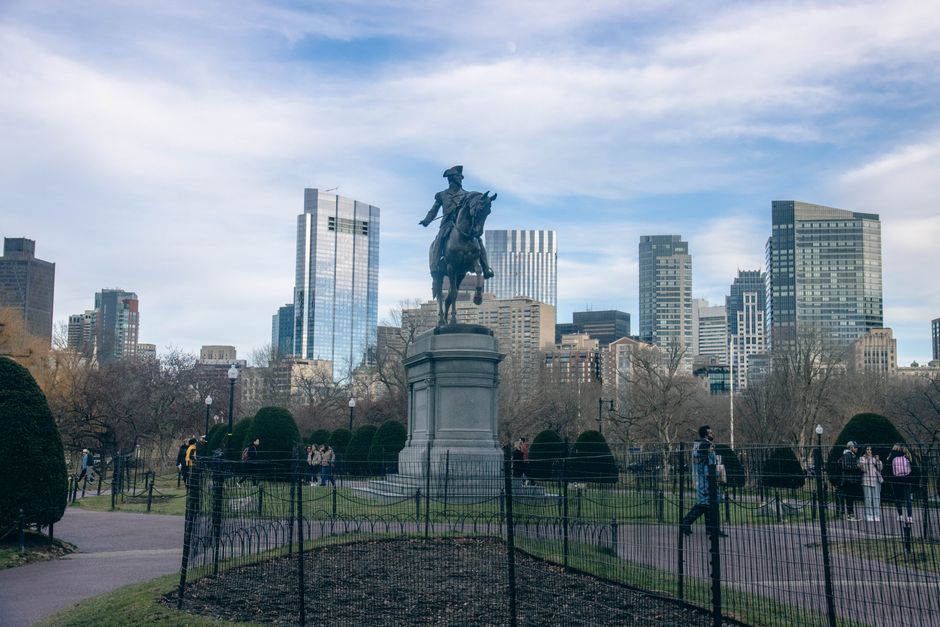
Popular venues span the city. The Esplanade's open fields near the Harvard Bridge attract morning crowds. Boston Common and the nearby Public Garden host evening sessions. The Harborwalk offers waterfront options, while neighborhoods like Back Bay and the Seaport have emerging programs targeting commuters. Some organizations run structured eight-week programs ($150–$200), while others operate casual, year-round drop-in models.
Logistics matter. Most sessions run early morning (6–7 a.m.) or early evening (5–6:30 p.m.), sidestepping midday heat. Weather is unpredictable in New England, but serious participants plan accordingly; many programs operate rain or shine, though summer thunderstorms occasionally force cancellations. Participants should bring water, wear supportive shoes, and dress in layers for variable conditions.
The community aspect often outlasts the fitness gains. Regulars develop accountability networks, celebrate shared progress, and extend friendships beyond workouts. For Boston's busy professionals, the structure removes decision-making friction—no deciding what to do at the gym, just showing up.
Considering joining? Start with a trial session to gauge intensity and instructor style. Arrive early to meet the instructor, clarify modifications, and establish baseline fitness context. Consistency matters more than intensity; attending weekly builds both habit and results.
Boston's outdoor boot camp boom reflects something deeper: the realization that effective fitness thrives on structure, community, and accessibility. This summer, the Esplanade isn't just scenic. It's a gym.
This article was compiled by AI and screened before publishing. See our editorial standards.
How does this story make you feel?
Spread the word
About this article
Published by The Daily Boston
Daily brief
Free, in your inbox before 7am. Weekdays.
More in Wellness