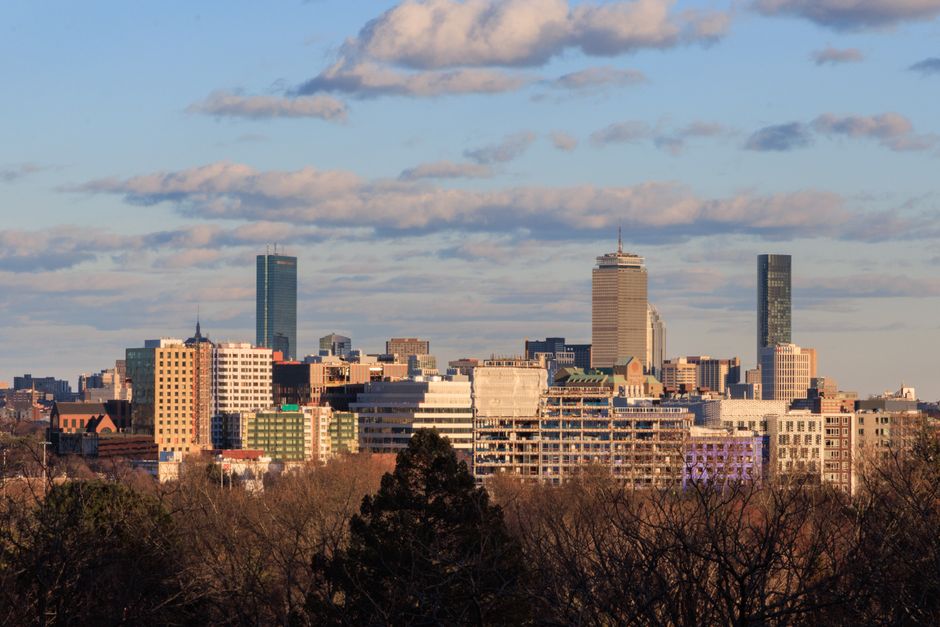
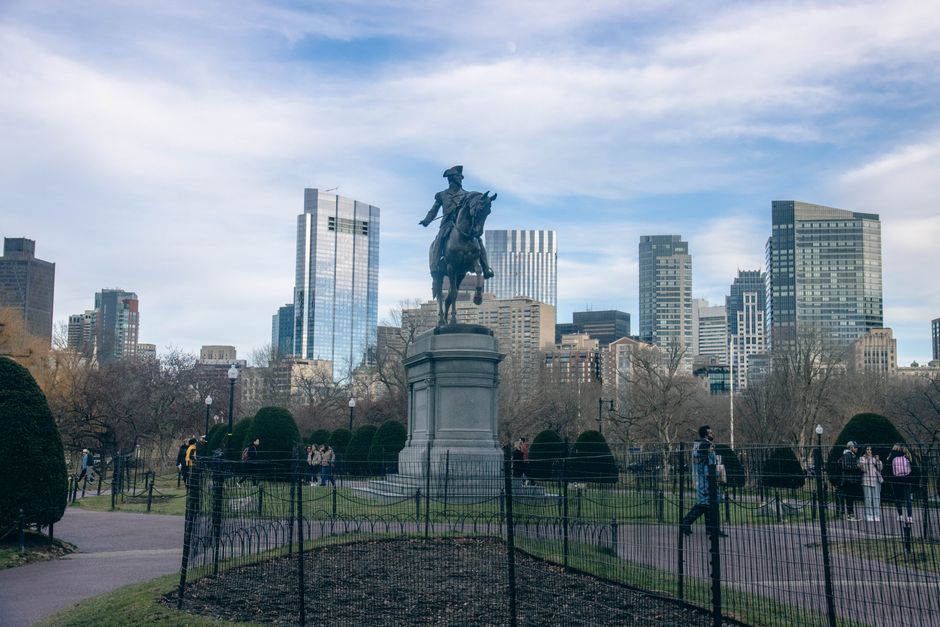
On a Tuesday evening along the Charles River Esplanade, a group gathers near the Hatch Shell for a community meditation session. What began three years ago as an informal gathering of five people has grown to over 40 regulars, each seeking respite from Boston's relentless pace. The transformation happening here—and across neighborhoods throughout the city—reflects a broader shift in how Bostonians are approaching mental health.
Mental health challenges remain significant in Massachusetts, with the state reporting that roughly 20% of adults experience mental illness annually, according to data from the Massachusetts Department of Mental Health. Yet increasingly, residents are finding that accessible, community-based practices like mindfulness and stress management are creating measurable improvements in their daily lives.
At the Cambridge Health Alliance's Somerville wellness center on Highland Avenue, a sliding-scale mindfulness program has expanded its offerings from twice weekly to five sessions weekly, citing consistent demand from local residents. The center charges between $5 and $25 per session, making the practice accessible across income levels. Clinical supervisors report that participants often describe reduced anxiety within weeks of beginning regular practice.
In Back Bay, a retired educator began leading free breathing workshops in local libraries—including the Boston Public Library's branch on Copley Square—after discovering that structured stress management techniques helped her manage burnout. What started as a personal experiment has become a weekly fixture, attracting professionals from nearby offices seeking midday relief.
The Freedom Trail, typically associated with historical tourism, has also become an informal therapeutic walking route for residents combining gentle movement with mindfulness. Mental health professionals acknowledge that Boston's walkable neighborhoods—from Beacon Hill's gas-lit streets to the Greenway's restored landscape—offer natural settings that support contemplative practice.
Research from Harvard Medical School and MIT, institutions that shape Boston's health landscape, continues documenting neurological changes from consistent mindfulness practice. These local studies validate what community members are already experiencing: that regular stress management techniques can reduce cortisol levels and improve emotional regulation.
Dr. researchers emphasize that community-based approaches complement professional mental health care rather than replace it. The Boston area's abundance of top-tier hospitals and clinicians remains essential for those navigating serious mental health conditions.
What's remarkable is how organic these transformations have become. Neighbors supporting neighbors, whether through meditation circles along the Esplanade or library-based breathing workshops, are creating a grassroots mental health movement that feels distinctly Bostonian—practical, accessible, and grounded in real community need.
If you're seeking mental health support, consult with a local healthcare provider or contact the Massachusetts Department of Mental Health's resource line.
This article was compiled by AI and screened before publishing. See our editorial standards.