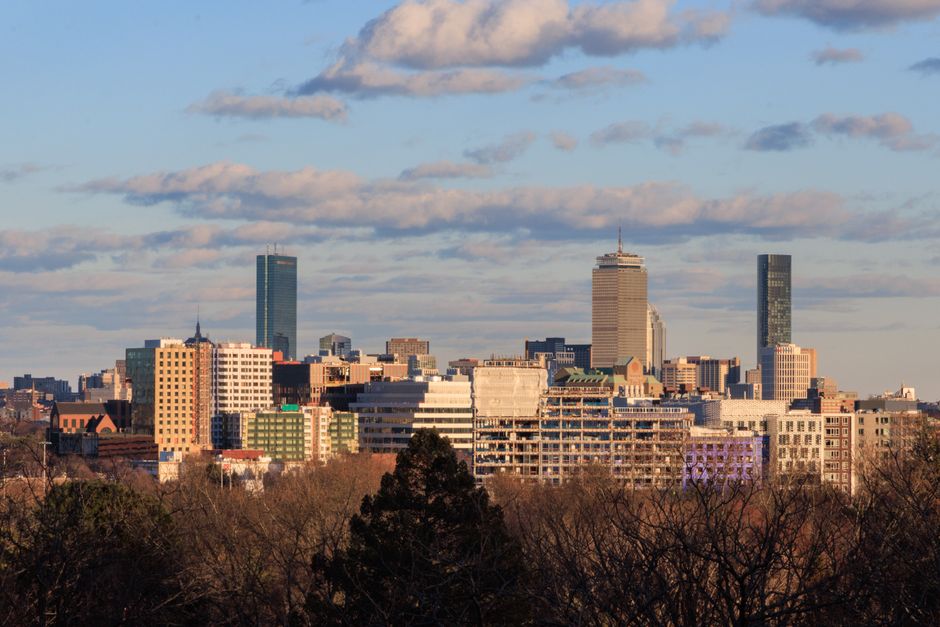
Boston's unique geography and seasonal shifts create distinct sleep challenges. Unlike generic wellness advice, sleep science tailored to local conditions can dramatically improve rest quality for residents navigating the city's particular climate and lifestyle demands.
Summer humidity along the Charles River Esplanade corridor can spike into the 70-80% range, disrupting the cool, dry environment sleep researchers recommend. Boston sleep medicine specialists note that residents in neighborhoods like Back Bay and the Waterfront report more fragmented sleep during June through August. The solution isn't exotic—it's practical: a dehumidifier running in bedrooms costs $150-$300 and directly addresses New England's moisture problem in ways generic "cool bedroom" advice cannot. The ideal bedroom humidity sits between 30-50%, according to research from Harvard Medical School's Sleep and Neuroimaging Laboratory.
Dawn light presents another Boston-specific challenge. By late June, sunrise arrives before 5 a.m., flooding east-facing bedrooms in neighborhoods like Cambridge and Somerville earlier than the body's natural wake cycle. Blackout curtains—recommended by the American Academy of Sleep Medicine—cost $40-$80 per window and have measurable impact. Studies show they can extend sleep duration by 30-45 minutes in high-latitude cities during summer months.
Boston Marathon culture and the city's robust running community create another consideration: exercise timing. The popularity of early-morning runs along the Esplanade means many residents exercise intensely before work. Sleep research is clear: vigorous cardio within three hours of bedtime disrupts sleep architecture. Local running clubs increasingly schedule evening group runs specifically to support post-work exercise without sacrificing sleep quality.
Temperature regulation matters more in Boston than generic advice acknowledges. During winter, heating systems in older buildings (common throughout the North End and Beacon Hill) can overheat bedrooms to 72-75°F, while sleep science suggests 60-67°F for optimal rest. A programmable thermostat ($200-$400) allows residents to drop temperatures specifically during sleep hours, a strategy backed by decades of circadian rhythm research.
Finally, winter's extended darkness—with sunset arriving around 4:15 p.m. in December—suppresses melatonin production. Light therapy lamps, available locally at pharmacies throughout Boston and Cambridge, cost $30-$60 and are recommended by sleep specialists at Mass General and Boston Medical Center for managing seasonal rhythm disruption.
Sleep wellness isn't one-size-fits-all. Boston residents benefit most from strategies addressing this region's specific humidity, light, temperature, and seasonal patterns. Consulting a local sleep medicine specialist can personalize these evidence-based approaches further.
This article was compiled by AI from the sources linked above and screened before publishing. See our editorial standards.