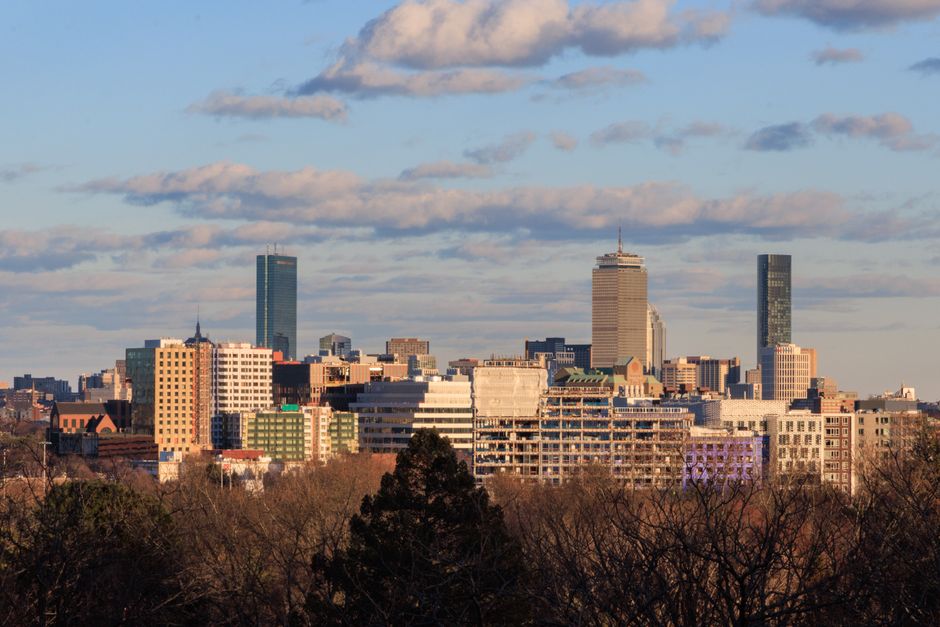
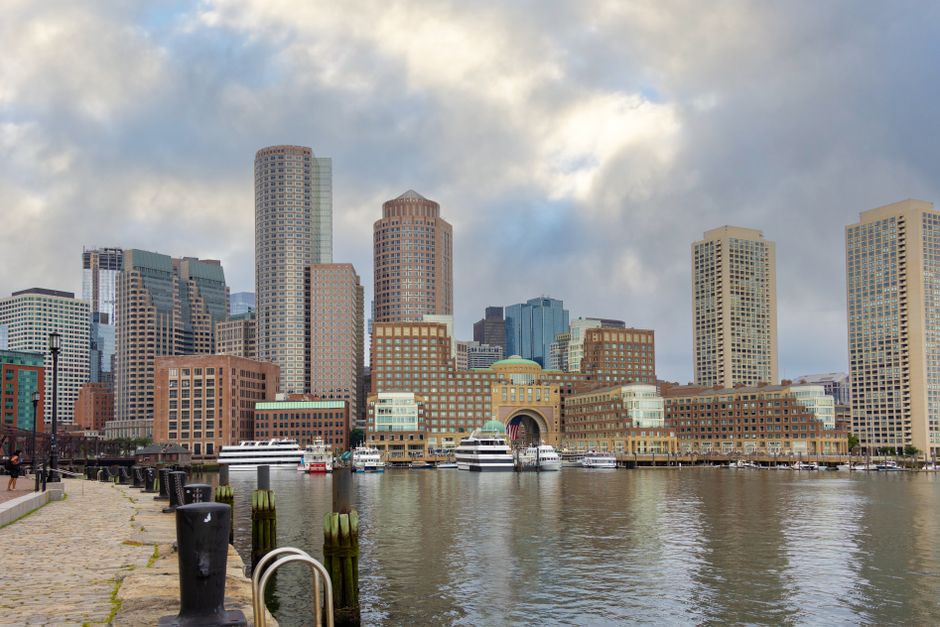
Every morning, hundreds of runners stream onto the Charles River Esplanade paths. They're chasing miles, chasing health, chasing that post-dawn endorphin rush. But few pause to consider the infrastructure maintaining their favorite 17-mile loop—the trail surface, the water quality, the ecological balance that makes running here sustainable year after year. That's where the Charles River Watershed Association comes in, a Boston-based nonprofit quietly stewarding one of the region's most vital running resources.
Founded in 1965, the CRWA manages conservation efforts across the Charles River Basin, which directly impacts the accessibility and safety of running corridors from Watertown to Boston Harbor. The organization monitors water quality, maintains riparian zones, and works with the Massachusetts Department of Conservation and Recreation to ensure trail conditions. For runners, this translates to predictable, well-maintained paths—whether you're tackling the smooth asphalt near the Longfellow Bridge in Cambridge or navigating the tree-lined sections near Boston University.
What makes CRWA particularly valuable as a local resource is its free educational programming and volunteer opportunities. The nonprofit hosts monthly "Charles River Cleanup" events, where runners and cyclists can contribute directly to trail maintenance. These sessions, held typically on Saturday mornings at various Esplanade access points, combine light physical activity with genuine habitat restoration. Participation has grown steadily; last year, over 800 volunteers logged nearly 3,200 hours of service along the river corridor.
The organization also publishes detailed trail guides and real-time updates on path conditions—information that extends beyond what most municipal websites offer. If a section near the Museum of Science is temporarily closed, or if water levels make certain paths hazardous, CRWA's digital alerts reach subscribers quickly. For serious distance runners training for the Boston Marathon, this intelligence matters.
Membership costs $50 annually for individuals, or you can donate directly to specific initiatives like invasive species removal or native plant restoration. The CRWA also partners with local running clubs and fitness centers throughout Boston and Cambridge, offering members discounts on CRWA memberships.
The next time you settle into your running rhythm on the Esplanade—feet landing on reliable pavement, water glinting beside you, the city skyline framing your effort—consider that nonprofit stewardship made this moment possible. Supporting organizations like CRWA ensures that future runners, joggers, and walkers have the same resource available.
For more information, visit charlesriver.org or stop by their offices near the Museum of Science. Your favorite running trail depends on it.
This article was compiled by AI and screened before publishing. See our editorial standards.