wellness
Social Connection as Medicine: The Loneliness Epidemic Hits Boston Hard
Researchers and clinicians across the city say chronic isolation is shortening lives, and the prescription may be simpler than you think.
How we reported this
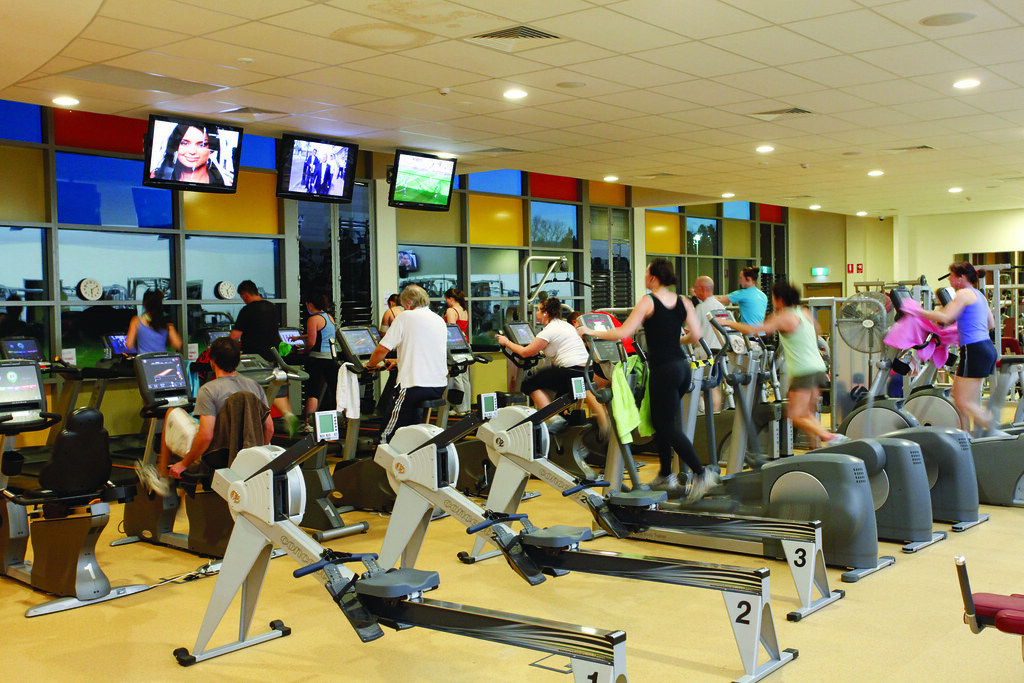
Loneliness is now killing Americans at a rate comparable to smoking 15 cigarettes a day. That figure, drawn from a 2023 advisory by U.S. Surgeon General Dr. Vivek Murthy, has been sitting in public health circles for three years without producing much urgency, until this summer, when a cluster of Boston-area hospitals and community organizations decided to treat social isolation the way they treat hypertension: with structured, measurable intervention.
The timing matters. Mid-summer in a city that empties out on long weekends, July Fourth weekend is particularly brutal for people who live alone, tends to expose just how thin some residents' social infrastructure really is. Mental health clinicians at Massachusetts General Hospital's Department of Psychiatry have reported a consistent uptick in anxiety and depression presentations during holiday weekends, when the contrast between a crowded Esplanade and an empty apartment hits hardest.
What the Science Actually Says
The evidence base here is no longer soft. A landmark meta-analysis published in PLOS Medicine found that strong social relationships reduced the risk of premature death by 50 percent. Harvard's Human Flourishing Program, based at the Institute for Quantitative Social Science in Cambridge, has been tracking wellbeing data across thousands of participants since 2016 and consistently finds that relationship quality, not wealth, not fitness metrics, is the single strongest predictor of reported life satisfaction at midlife. That research doesn't come from a wellness app. It comes from one of the most rigorous longitudinal studies running anywhere in the country.
Boston's demographics make the problem acute. Roughly 37 percent of the city's households are single-person households, according to 2020 Census data, a figure that has climbed steadily since 2010. Graduate students rotating through MIT and Harvard on two-year programs, transplants working in the Seaport District's biotech corridor, elderly residents in Jamaica Plain and Dorchester who outlived their peer networks, all face structurally similar risks despite looking nothing alike on paper.
Where Boston Is Actually Doing Something About It
The city isn't waiting on federal policy. The Boston Public Health Commission launched its Social Connectedness Initiative in 2024, embedding community health workers in Roxbury, East Boston, and Chinatown specifically to identify isolated residents and link them to existing programming. The initiative has reached approximately 4,200 residents in its first full calendar year.
On the nonprofit side, the Charles River Conservancy runs free group fitness and walking events along the Esplanade from May through October, the next scheduled group walk is July 12, meeting at the Hatch Shell parking lot at 8 a.m. Cost: zero. The social dividend is the point, not the mileage. Similarly, Jamaica Plain's Spontaneous Celebrations, the community arts organization on Centre Street, runs drop-in workshops year-round precisely because its founders understood decades ago that making something alongside strangers is one of the fastest routes to felt belonging.
Clinicians at Brigham and Women's Hospital have begun incorporating a two-question loneliness screen, adapted from the UCLA Loneliness Scale, into routine primary care intake forms. It's a small shift with potentially large downstream effects, since most lonely patients never name loneliness as a presenting concern. They come in with insomnia, or back pain, or a vague sense that something is wrong.
The practical advice coming out of MGH's psychiatry department this summer is almost stubbornly low-tech. Show up somewhere at the same time every week. A 6:30 a.m. run club at the Charles River Esplanade. A Tuesday evening class at the Cambridge Center for Adult Education on Concord Avenue. A weekly farmers market at Copley Square. The consistency, not the activity itself, is what builds the neural sense of social safety. Three to five meaningful social interactions per week appears to be a threshold that shows up repeatedly in wellbeing research.
If you're struggling with persistent low mood or anxiety, the Massachusetts Behavioral Health Help Line operates 24 hours a day at 800-327-5050 and can connect callers with providers across Greater Boston. But for the broader, quieter problem, the grey weight of too many days without real human contact, the solution is almost certainly already within walking distance of wherever you are. You just have to go.