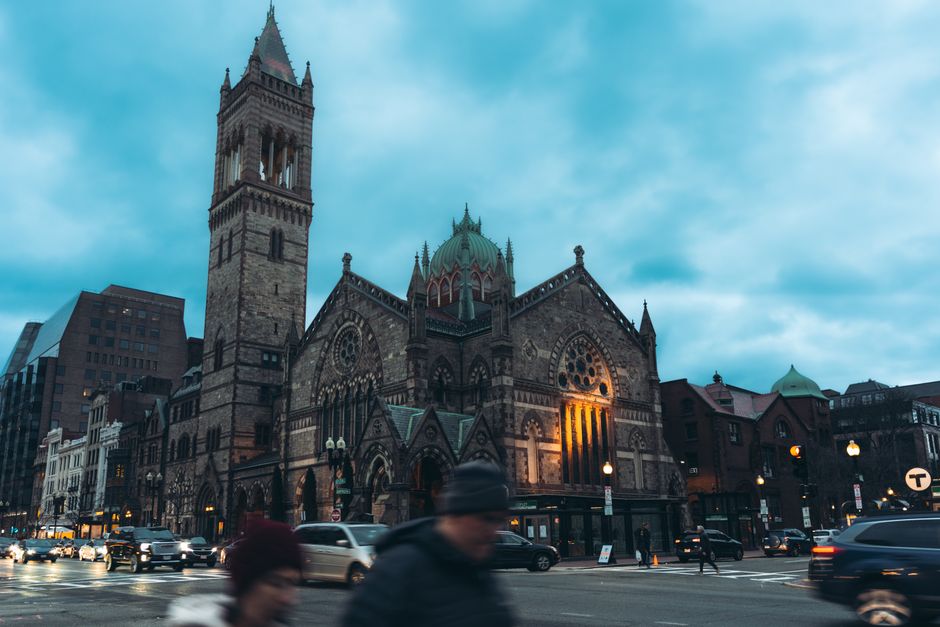
Boston has one of the densest concentrations of hospitals and research institutions in the world, yet a significant share of its residents still can't afford a single therapy session. The average out-of-pocket cost for a 50-minute appointment with a private therapist in Massachusetts runs between $150 and $250, according to 2025 pricing data compiled by Psychology Today's provider directory. That gap — between world-class care and everyday access — is what a growing network of free and sliding-scale services is trying to close.
The timing matters. Economists and public health researchers have spent much of this year tracking how housing-cost anxiety, job market uncertainty, and a general sense of institutional instability are compounding stress for working-age adults. Boston is not immune. Suffolk County's 2025 community health needs assessment found that roughly one in five adults reported symptoms consistent with anxiety or depression, yet fewer than half of them had spoken to a mental health professional in the previous 12 months. Cost and confusion about where to go were the two most cited barriers.
Where to Walk In, Call, or Click Without Paying a Cent
The Boston Public Health Commission runs several neighbourhood-based services that charge nothing and require no insurance. Its Behavioral Health Access Line — reachable at 617-534-5050, seven days a week — connects callers with a clinician who can assess needs and schedule same-week appointments. The commission's office at 1010 Massachusetts Avenue in the South End coordinates intake and can refer residents to Spanish, Portuguese, and Haitian Creole-speaking counsellors.
Codman Square Health Center in Dorchester offers integrated mental health and primary care on a sliding-scale basis that drops to zero for uninsured patients at the lowest income tier. Staff there work within a community health model, meaning counsellors often share office space with nurses and social workers — a setup that removes the stigma of walking specifically into a mental health clinic. Similarly, the Fenway Community Health Center on Boylston Street provides free mental health intakes for LGBTQ+ patients and runs a same-day crisis consultation service that doesn't require prior registration.
For students and young adults, MIT's Student Mental Health and Counseling Services — which has expanded its drop-in hours since September 2024 — offers free short-term counselling to enrolled students on the Cambridge campus. Harvard's Counseling and Mental Health Services at 75 Mount Auburn Street in Cambridge operates on the same model. Neither restricts walk-in hours to weekday business slots anymore; both now offer evening availability at least three days per week.
Getting Outside Is Part of the Treatment Plan, Too
Local clinicians have long pointed to the Charles River Esplanade and the Emerald Necklace park system as genuinely therapeutic spaces — not in a vague, aspirational sense, but in ways backed by concrete research. A 2023 study out of Harvard T.H. Chan School of Public Health found that Boston residents who spent at least 20 minutes in green space three times a week scored measurably lower on standardised stress inventories than those who did not. The study drew heavily on participants from Back Bay, Jamaica Plain, and South Boston. Walking the Freedom Trail's 2.5-mile route, which passes through the North End and Beacon Hill, has become something of an informal prescription among therapists who practise near downtown.
The Massachusetts Behavioral Health Partnership also maintains a searchable online database — accessible at mbhp.com — that filters providers by ZIP code, language, insurance status, and whether the practice accepts patients at no charge. As of June 2026, the database lists 43 providers in the Greater Boston area willing to see patients on a fully subsidised basis.
If cost or logistics are the obstacle, the single most direct step is calling the Boston Public Health Commission's access line. It operates 365 days a year and can connect a caller to a human clinician — not an automated menu — within minutes. Anyone in acute crisis can also text or call 988, the national Suicide and Crisis Lifeline, at any hour. Residents who prefer in-person support and live in the Roxbury or Mission Hill neighbourhoods can walk into Whittier Street Health Center on Northampton Street without an appointment on Tuesdays and Thursdays between 9 a.m. and noon. No referral, no paperwork, no charge. As always, for personal health concerns, check with a local medical professional who knows your full history.