wellness
Boston's Best Meditation Classes, Groups and Apps Worth Trying Right Now
From the Charles River Esplanade to Kendall Square, the city's mindfulness scene has never been more accessible, or more varied.
Listen in English · 4 min
How we reported this
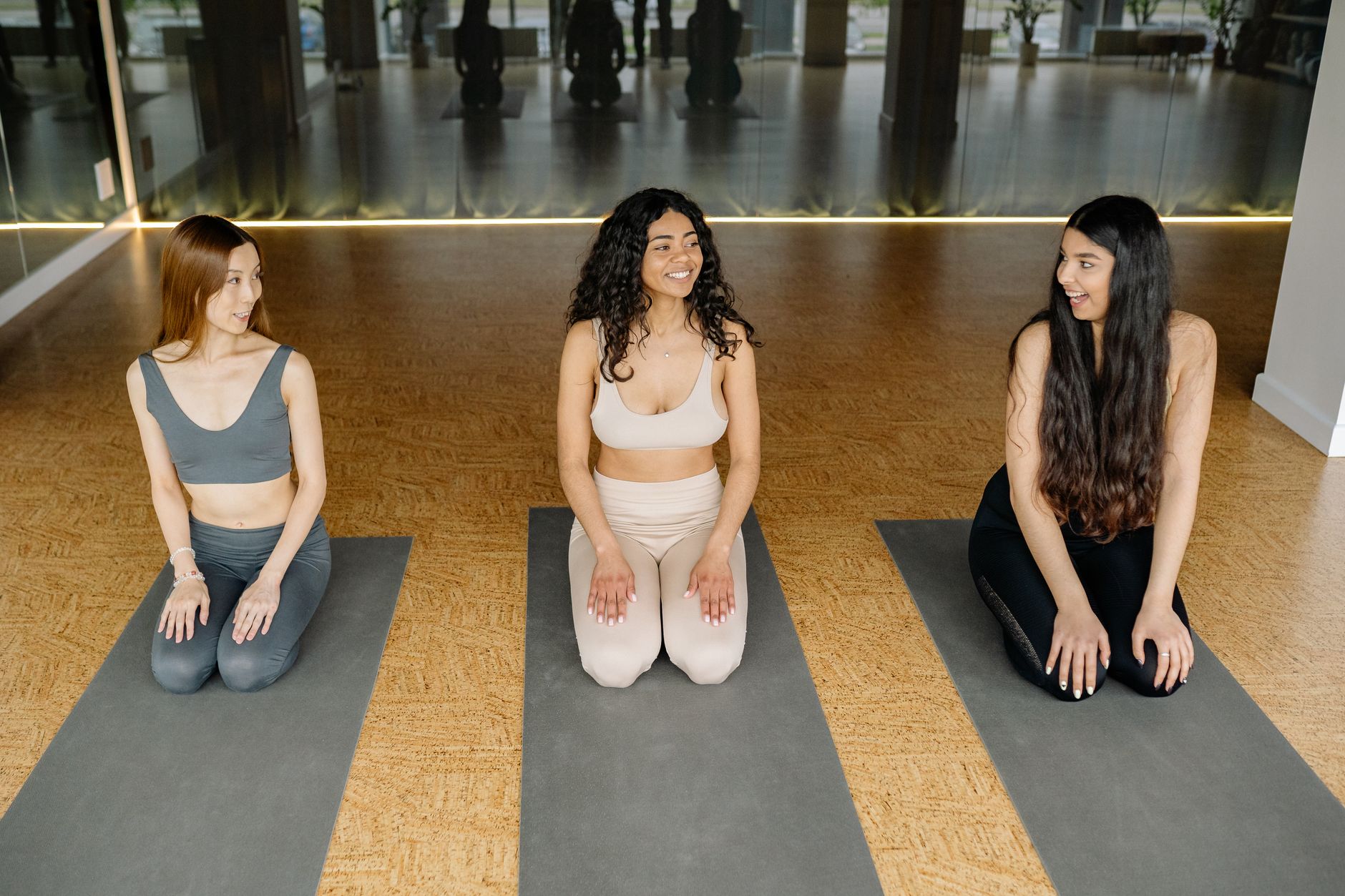
Enrollment in Boston-area meditation programs jumped roughly 34 percent between 2023 and 2025, according to figures compiled by the Greater Boston Wellness Coalition, and the numbers keep climbing. Studios that once ran a single weekly session now schedule four or five. Waitlists exist. This is not a fringe phenomenon anymore.
The timing makes sense. Hospital systems including Massachusetts General Hospital and Beth Israel Deaconess have expanded their mindfulness-based stress reduction offerings this year, and Harvard Medical School researchers published a landmark meta-analysis in March 2026 confirming that eight weeks of structured meditation practice produces measurable reductions in cortisol levels. That kind of institutional credibility pulls people through the door who would never have unrolled a yoga mat five years ago.
Where to Show Up In Person
The Cambridge Insight Meditation Center on Pleasant Street in Central Square remains the anchor of serious practice in this region. Founded in 1985, it runs drop-in sits on Tuesday and Thursday evenings at 7:30 p.m., free, no registration required, though a dana (donation) basket sits by the door. For beginners, their eight-week Introduction to Insight Meditation course costs $350 and typically sells out within two weeks of opening registration. The next cohort starts September 9.
Closer to downtown, the Boston Shambhala Center on Tremont Street in the South End offers a beginner's mind program that runs every other Saturday morning. Classes run about 90 minutes and cost $20 per session or $120 for an eight-session block. The Center draws a noticeably mixed crowd, graduate students from Northeastern, hospital workers from the nearby Tufts Medical Center campus, retirees from Bay Village. The mix matters; it keeps the practice from feeling like a wellness luxury product.
On the Esplanade itself, a volunteer-led outdoor meditation group called River Sits has been gathering at the Hatch Shell lawn on Sunday mornings since April. Sessions run 45 minutes, start at 7 a.m., and cost nothing. Bring your own cushion or just sit on the grass. The group has drawn between 60 and 120 people most Sundays this spring, according to a count posted on their Meetup page.
Over in Kendall Square, Headspace has a physical community studio space embedded in its Cambridge office on Main Street, the company began piloting in-person programming for local members in February 2026. Monthly Headspace memberships run $12.99, and the studio events are included at no extra charge for subscribers. It is an unusual model and worth watching.
Apps Built for the Boston Mindset
Not everyone has the schedule for a Tuesday night sit. The three apps getting the most traction locally right now are Calm, Insight Timer, and Ten Percent Happier. Calm charges $69.99 annually and has added a new "Science Series" this year featuring narration from researchers at affiliated universities including MIT. Insight Timer is free for its core library, more than 200,000 guided meditations, and charges $59.99 a year for premium content. Ten Percent Happier, co-founded by Boston native Dan Harris, remains the most journalistically skeptical of the three, which appeals to the city's particular brand of empirical stubbornness. Annual subscriptions run $99.99, though the app frequently offers 40 percent discounts to new users.
One newer option worth a look: the MIT Media Lab's Personal Robots Group released a companion app called Settle in January 2026, currently in open beta and free. It uses biofeedback data from a connected wearable to adjust session length and breathing cues in real time. It is unpolished but genuinely interesting, and it is built eight blocks from the Red Line.
Before committing to any program, it is worth a conversation with your primary care physician, particularly if you are managing anxiety, depression, or chronic pain, all conditions for which mindfulness research is promising but nuanced. MGH's Benson-Henry Institute for Mind Body Medicine on Fruit Street offers clinical consultations and can help match practice style to health goals. Start there if you want the full picture, then find your cushion.