wellness
Social Connection as Medicine: The Loneliness Epidemic
As Boston tackles rising rates of isolation, local experts and community leaders are turning to social ties as a vital tool for better mental health.
How we reported this
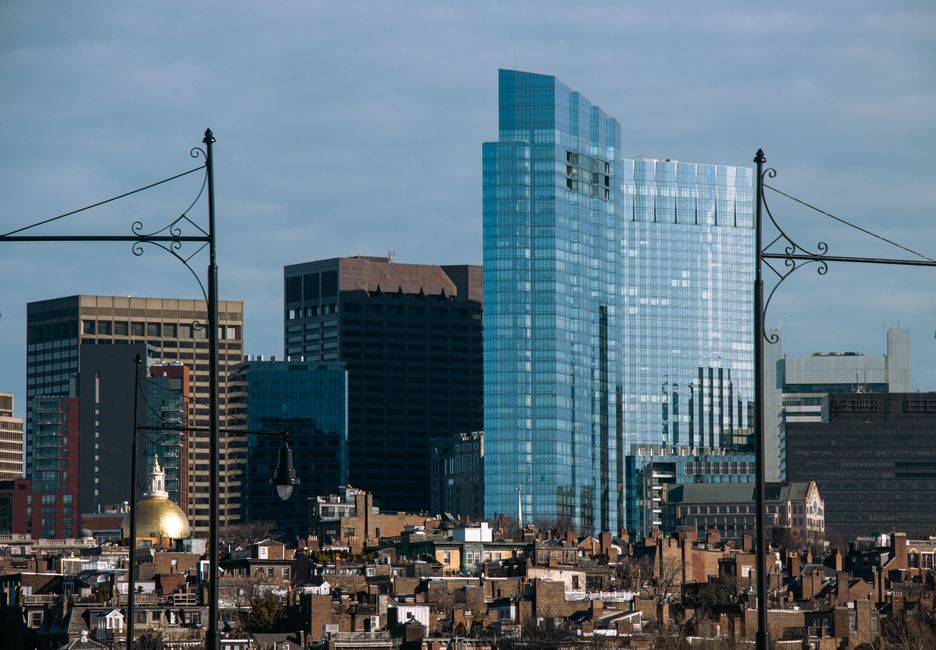
Earlier this year, the U.S. Surgeon General called loneliness a significant public health threat, citing its effects on mental well-being and even life expectancy. In Greater Boston, this warning comes at a time when rates of reported isolation have risen sharply, prompting local health organizations and community programs to rethink their approach to stress and wellness-putting social connection at the heart of prevention strategies.
Why Social Isolation Hurts
Unlike traditional medical conditions, loneliness does not appear on a scan or result in a single obvious symptom. But researchers at Harvard's Department of Social and Behavioral Sciences, just across the Charles River in Cambridge, have emphasized the strong link between chronic loneliness and increased risk of depression, anxiety, and heart disease. In a city famed for marathon running and world-class hospitals, health professionals are now warning that social isolation may be as dangerous as physical inactivity or obesity.
Boston is no exception to the trend. Many residents-students arriving at MIT for the first time, older adults in Beacon Hill apartments, and new arrivals navigating South End’s busy streets-report struggling to forge meaningful relationships. According to a 2024 community needs assessment from the Boston Public Health Commission (BPHC), one in three local adults said they sometimes or often felt lonely in the past year.
Programs Building Community in Boston
In response, local groups have ramped up efforts to connect Bostonians-and not just on virtual platforms. The Boston Center for Independent Living on Tremont Street has launched weekly in-person support circles for adults looking to widen their networks, while the Charlestown Branch of the Boston Public Library hosts regular Storytimes and craft gatherings for all ages, aiming to carve out space for casual conversation and shared experience.
Over in Jamaica Plain, the neighborhood association coordinates monthly potluck picnics at Jamaica Pond, offering newcomers and long-timers alike the chance to put down their phones and engage face-to-face. The Esplanade Association’s public yoga sessions along the Charles River, not far from Back Bay, regularly welcome participants of all backgrounds-some attendees come for the stretching, others for the socializing that happens afterward.
The Evidence on Loneliness
New evidence supports these strategies. The U.S. Department of Health and Human Services reported in 2023 that strong social ties can reduce the risk of premature death by up to 50%, a statistic that has prompted groups like Boston Medical Center’s Department of Psychiatry to prioritize community engagement in their stress management programs. According to the BPHC, participation in local peer-led groups was linked to a 27% lower rates of reported stress symptoms last year.
Financial barriers remain, but many connection-building activities in Boston are low-cost or free. Storytime at the Boston Public Library does not require a ticket, and outdoor classes on the Esplanade usually run on donations or suggested contributions of $5-10. For those seeking professional support, some local clinics accept MassHealth or offer a sliding fee scale.
Where to Start: Reaching Out in Boston
For Boston residents looking to beat back loneliness, mental health experts recommend taking advantage of neighborhood resources, and-crucially-reaching out even when it feels vulnerable or awkward. Small actions, like attending a coffee hour at a local café in Roslindale or joining a community group on Centre Street, can open the door to new friendships and healthier routines. The city’s layout and tradition of tight-knit neighborhoods mean that opportunities for connection might be closer than they appear.
For those needing extra support, the Boston Public Health Commission maintains an updated directory of free and low-cost peer groups, while local nonprofits like FriendshipWorks focus on pairing volunteers with isolated seniors. Ultimately, while professional treatment remains important for those experiencing severe distress, building stronger social ties offers a potent, preventive form of wellness-right here in the city’s parks, libraries, and sidewalks.