wellness
Boston Residents Transform Daily Walks Into Mindfulness Practice
Transforming strolls along Boston’s greenways into mindful movement is gaining momentum as residents seek easier ways to unwind.
How we reported this
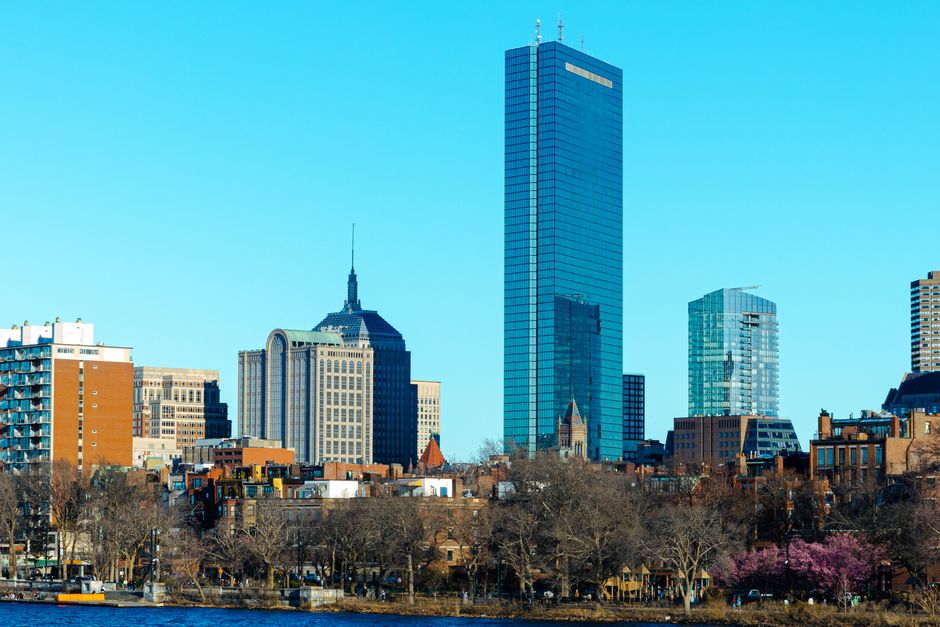
For Bostonians weaving through the Public Garden or along the Charles River Esplanade, daily walks are taking on new meaning. Mindfulness instructors and local wellness groups are urging city dwellers to use their footsteps as a gateway to meditation, transforming routine exercise into a practice that reduces stress and sharpens focus.
The Right Time for Mindful Movement
The urgency for stress reduction has never been more pronounced: recent surveys show that nearly 40% of adults in Massachusetts reported symptoms of anxiety or depression over the past year, according to a 2025 Commonwealth Fund health poll. Boston’s relentless pace-a blur of Green Line delays, biotech deadlines, and summer tourist throngs-has prompted residents to look for practical methods to decompress that don’t require gym memberships or gadgetry. Walking meditation, a centuries-old practice with roots in Buddhist traditions, has quietly entered the city’s wellness mainstream.
The city’s geography provides a natural fit. Local organizations like the Boston Mindfulness Center and Cambridge Insight Meditation Center have recently hosted outdoor sessions on the Charles River Esplanade, where paths between Arlington Street and the BU Bridge offer a flat, scenic stretch for practicing mindful movement. On the other side of the river, MIT’s Medical Department has added walking meditation to its weekly Mindful Mondays program this summer, timed for noon strolls along Memorial Drive, inviting students and Kendall Square tech workers alike to slow their pace and pay attention to each step.
Evidence and Easy Access
Research supports the benefits of bringing mindfulness outside. A meta-analysis published by Harvard Medical School in January 2026 found that participants in structured walking meditation programs reported a 28% reduction in self-reported anxiety, compared with those in sedentary meditation or standard walk groups. Many of Boston’s public spaces are free to access, and formal group sessions-such as the $10 drop-in walks at Arnold Arboretum-require minimal commitment compared to longer yoga courses or therapy.
The Charles River Esplanade, stretching roughly three miles from the Museum of Science to the BU Bridge, is one of the most popular city spots identified for these mindful sessions. Meanwhile, Jamaica Pond’s loop and the measured paths in the Arnold Arboretum in Jamaica Plain offer peaceful, car-free options for new practitioners willing to venture out of the downtown core.
For those looking to start, experts suggest setting aside 15-20 minutes-enough time to circle the Lagoon in the Public Garden or follow Harvard Yard’s shaded walkways. The key is to pay attention: feel your heel strike the gravel on Commonwealth Avenue, notice the play of sunlight through Back Bay’s maples, let your thoughts come and go amid the city’s noise. Boston Mindfulness Center’s online library offers a free five-minute audio guide for self-directed walks, while Cambridge Insight Meditation Center maintains a calendar of weekly outdoor group sessions. Participants are reminded to stay safe, watch for cyclists on multi-use trails, and adjust pace to comfort level. For those with mobility concerns or seeking personalized advice, local clinicians at Massachusetts General Hospital’s Benson-Henry Institute for Mind Body Medicine recommend consulting a healthcare provider before starting any new wellness routine.
The only equipment required is a pair of comfortable shoes and a willingness to look-if only briefly-at the city from a new perspective, one quiet step at a time.