wellness
Healthy Eating in Boston: Evidence-Based Tips That Actually Work for Local Conditions
Practical, research-backed strategies tailored to Boston’s unique food landscape and lifestyle for better nutrition and wellness.
How we reported this
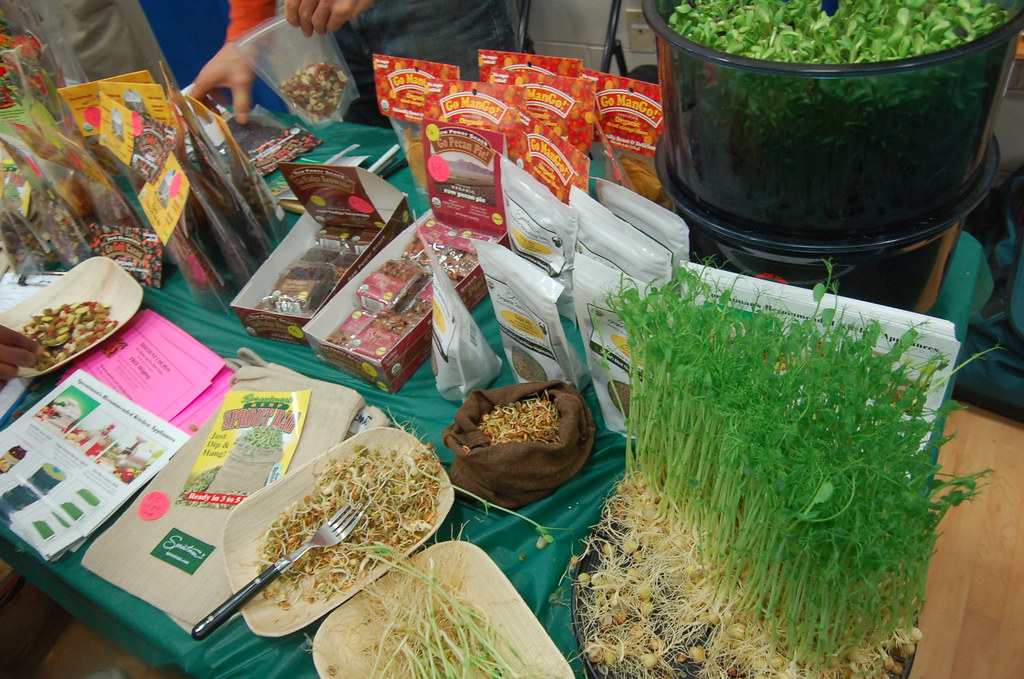
Boston residents seeking to improve their diets can benefit from evidence-based, locally relevant tips that consider the city’s seasonal food availability, economic factors, and urban lifestyle. Nutrition experts recommend focusing on seasonal produce, engaging with community-supported agriculture, and balancing convenience with nutritional quality to achieve lasting healthy eating habits that fit Boston’s culture.
Why Healthy Eating Matters Now in Boston
With the rising cost of groceries in the Boston metropolitan area-where the Consumer Price Index for food escalated nearly 6% over the past year according to the U.S. Bureau of Labor Statistics-many residents are reconsidering how they approach meals. Concurrently, Boston’s high rates of diet-related chronic conditions, including adult obesity at 27% as reported by Mass.gov, underscore the urgency for effective nutritional strategies. The city’s climate also plays a role; long winters and relatively short growing seasons mean Food access fluctuates markedly throughout the year, challenging residents to find affordable, fresh foods consistently.
Local Resources and Tips Tailored to Boston
Boston’s strong network of farmers markets and urban agriculture initiatives offer tangible support for healthier eating. The Boston Public Market, located on 100 Hanover Street in the Financial District, is a year-round venue specializing in local produce, dairy, and meats sourced within a 100-mile radius. On Thursdays and Saturdays during growing seasons, Brighton and Jamaica Plain host large farmers markets with vendors offering seasonal vegetables, often priced competitively compared to supermarket prices downtown.
Additionally, community-supported agriculture (CSA) programs such as those offered by the Food Project in Lincoln and urban farms like Boston City Growers enable residents to subscribe for weekly deliveries of farm-fresh produce, facilitating access to nutrient-dense foods without heavy reliance on processed options. These programs frequently encourage recipes and meal planning that capitalize on local harvests, supporting both health and sustainability.
Data-Backed Strategies for Boston’s Eaters
Research from Harvard T.H. Chan School of Public Health, located along Huntington Avenue, supports the efficacy of consuming a diet rich in locally available fruits and vegetables, which are linked to lower risks of heart disease and diabetes. Their studies highlight that Boston’s urban residents who incorporate at least five servings of seasonal produce daily enjoy improved markers of metabolic health. Importantly, switching from highly processed convenience foods-which can cost upwards of $6-$8 per serving from chain fast-food outlets on Boylston Street-to simple, home-prepared meals using fresh, local ingredients can both reduce costs and caloric intake.
Moreover, a 2025 report from Massachusetts Department of Public Health shows neighborhoods like Dorchester and Mattapan experience higher rates of food insecurity, prompting local nonprofits like Project Bread to launch targeted nutrition education and free produce box distributions to address disparities-programs which often feature recipes designed for easy incorporation into busy Bostonian lifestyles.
Ultimately, adjusting eating habits in Boston requires accounting for time constraints typical in the city’s workforce-dense areas like the Seaport and Back Bay. Incorporating meal prep and affordable seasonal staples can yield benefits measurable not only in physical well-being but also financial savings.
Practical Next Steps to Eat Well Locally
Boston residents aiming to enhance their diet should start by visiting urban farmers markets and considering enrollment in a CSA for fresh weekly produce. Planning meals around in-season vegetables such as kale, carrots, and apples during the fall, and leafy greens and berries in spring and summer, can both improve nutrition and reduce grocery bills. Utilizing resources from Boston’s top-tier hospitals and research centers, such as nutrition guidance available at Massachusetts General Hospital’s Joslin Diabetes Center, offers credible, tailored advice.
For those with limited time, choosing simple recipes that integrate local ingredients or engaging with community cooking classes-frequently hosted by organizations like Boston Public Health Commission-can help embed healthier choices into everyday routines. With Boston’s existing infrastructure and growing awareness, evidence-based healthy eating is within reach for many residents, supporting improved wellness across the city’s diverse neighborhoods.