wellness
Boston Residents Embrace Holistic Wellness, Boosting Local Fitness Demand
Residents are prioritizing integrated health and routine-based fitness as local demand for holistic wellbeing continues to climb.
Listen in English · 3 min
How we reported this
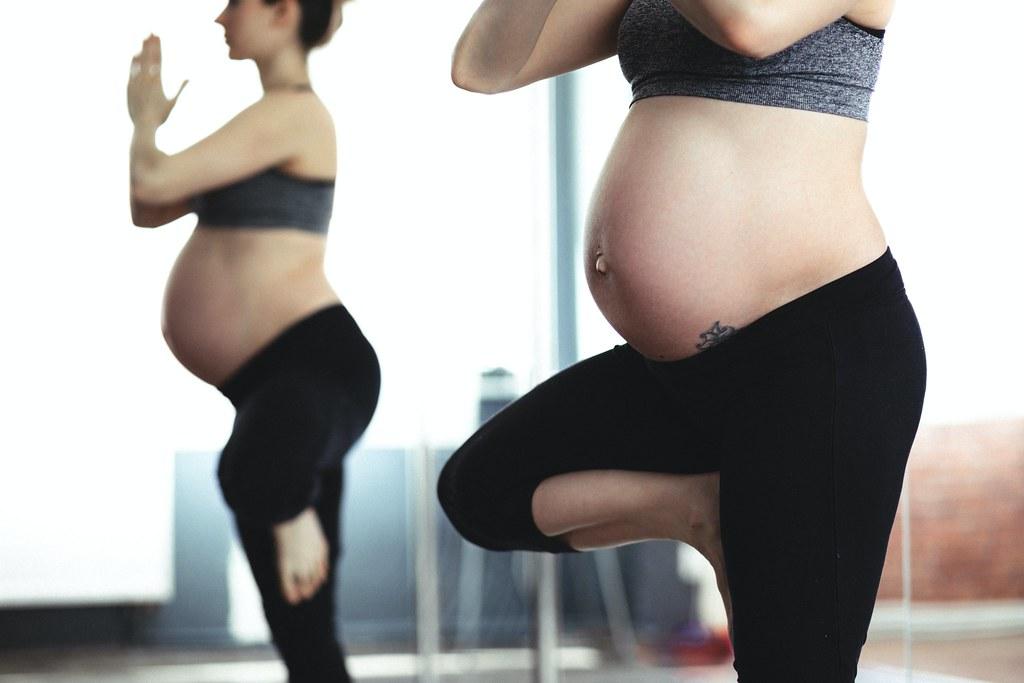
Bostonians are increasingly shifting their approach to physical activity, moving away from isolated training toward a model of integrated, holistic wellbeing. According to data regarding fitness in the city, residents now spend 23% more on an annual basis on their health and fitness routines than the average American. This shift reflects a broader local preference for wellness practices that bridge the gap between physical strength and mental clarity.
Embracing Holistic and Functional Fitness
The modern fitness landscape in Boston is defined by a desire for activities that mimic daily functional movements. Many residents are adopting training styles such as CrossFit, which emphasize strength, flexibility, and balance to support everyday life. Alongside these high-intensity formats, there is a clear trend toward mindfulness and meditation as essential components of a balanced lifestyle. Furthermore, a rising interest in plant-based nutrition is complementing these physical habits, as more locals view their dietary choices as a foundational aspect of their overall health strategy.
New Trends in Movement and Recovery
While traditional gym routines persist, new momentum is building around unique local fitness experiences. One example of this shift is the emergence of high-altitude, pilates-inspired fusion workouts held at the View Boston observation deck. Pilates remains one of the most-booked workouts globally, and it has secured a strong position as a preferred trend for Boston residents, with 'hot Pilates' classes gaining significant traction in 2026. Beyond the workout itself, the city is seeing a surge in demand for racket sports, particularly pickleball, as well as walking yoga.
Recovery and connectivity are also reshaping how locals approach their exercise schedules. In 2026, fitness communities across the city are increasingly integrating wearable technology to track performance and recovery metrics. Community-led fitness formats, including specialized run clubs and small-group training sessions, are becoming essential for those seeking both accountability and social engagement in their health journeys. For residents looking to update their habits, prioritizing recovery methods and finding a community-focused group are two of the most actionable ways to align with current wellness standards. As always, those planning to change their exercise or nutritional routines should consult with a local medical professional to ensure the approach is appropriate for their individual needs.
References Sourced but Not Limited to:
- mindbodyonline.com · Fitness in Boston Report
- fitscene.co · New fitness studios opening boston 2026
- acefitness.org · 10 fitness trends in 2026 and beyond
- masslive.com · Boston brings fitness to new heights with winter workout series
- fitbodybootcamp.com · Fitness trends 2026
- nasm.org · Top fitness trends
- nshoremag.com · Your strongest year yet we asked north shore experts about the hottest...