Boston Seniors Redefine Aging Through Community and Wellness Programs
Local seniors are redefining active aging by connecting with Boston's vibrant wellness resources and discovering that the best investment in longevity is showing up for life.
Local seniors are redefining active aging by connecting with Boston's vibrant wellness resources and discovering that the best investment in longevity is showing up for life.
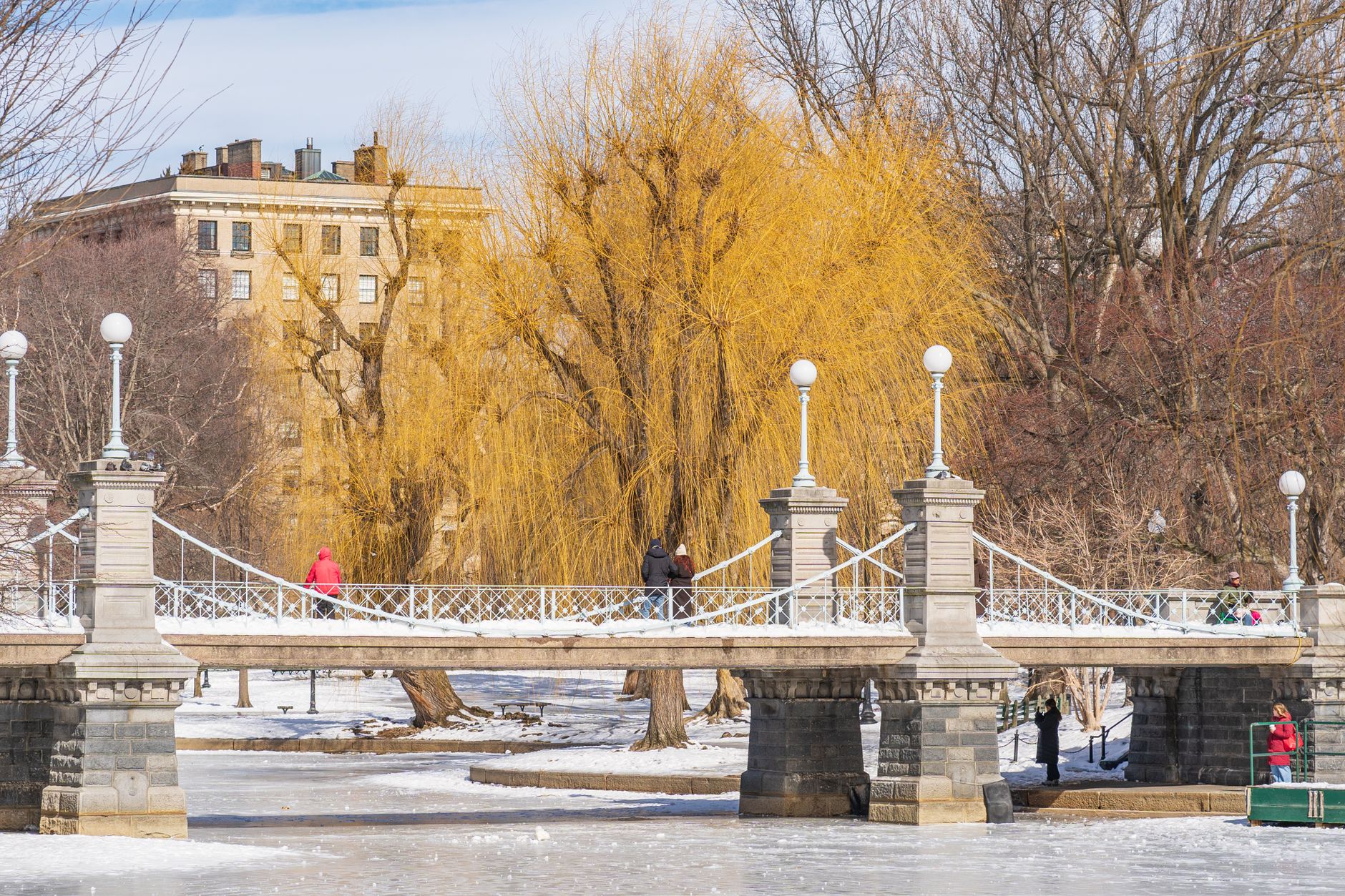
Walk through Boston Common on any morning and you'll notice something remarkable: seniors aren't slowing down—they're speeding up. Whether it's tai chi by the Public Garden, walking groups through the Emerald Necklace parks, or fitness classes at local community centers, Boston's older adults are actively reshaping what aging well actually looks like.
The truth about healthy aging isn't complicated, but it does require intention. Research consistently shows that the pillars of thriving in later life center on three interconnected areas: staying physically active, maintaining social connections, and pursuing meaningful activities. The good news? Boston offers exceptional resources for all three.
Start with movement. The city's parks are natural gathering spaces for active aging. The Harborwalk offers gentle, scenic walking paths ideal for building cardiovascular fitness without strain. The Boston Parks and Recreation Department runs affordable senior fitness programs across neighborhood centers—from aquatic therapy at city pools to strength and balance classes designed specifically for fall prevention. These aren't isolating gym sessions; they're opportunities to move alongside neighbors with similar goals.
Social connection might be the most underrated wellness tool available. The Boston Senior Centers network provides everything from art classes to technology workshops, creating regular reasons to show up and belong. Organizations like Beacon Hill Village and similar neighborhood-based groups are pioneering a model where aging in place means aging within community—neighbors supporting neighbors in staying independent and engaged.
Purpose is the third leg of the stool. Consider volunteering with organizations like Boston Cares or the Boston Public Library's literacy programs. Research shows that contributing to something beyond yourself—whether mentoring young professionals, teaching skills, or supporting community initiatives—creates measurable improvements in both mental and physical health outcomes.
This week, try one actionable step: identify a single park near your home and commit to a 20-minute walk there twice this week. Notice who else is there. If a particular path or time appeals to you, return—consistency builds both fitness and community. Simultaneously, visit your local senior center's website or call to ask about one class or program that genuinely interests you, not what you think you should do. Curiosity is the gateway to engagement.
Active aging in Boston isn't about pushing yourself into exhaustion or following someone else's prescription. It's about recognizing that this chapter of life—with more autonomy than childhood, more time than working years—deserves the same thoughtful attention you'd give any important project. Your community offers the infrastructure. Your role is simply to show up, connect, and allow yourself to thrive.
For specific health concerns about starting new activities, consult with your local GP to ensure any new fitness routine suits your individual health profile.
This article was compiled by AI and screened before publishing. See our editorial standards.
How does this story make you feel?
Spread the word
About this article
Published by The Daily Boston
Daily brief
Free, in your inbox before 7am. Weekdays.
More in Wellness