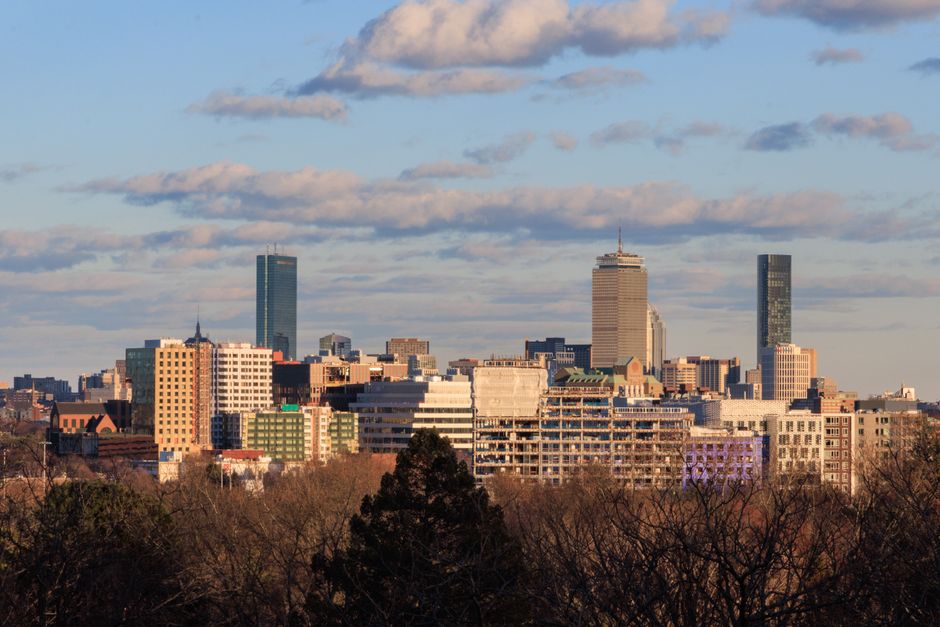
Best Boston Neighborhoods 2024: Where to Invest
As rates stabilize, Somerville, Brookline, and Jamaica Plain outpace Back Bay. Where savvy Boston investors are moving in 2024.
As rates stabilize, Somerville, Brookline, and Jamaica Plain outpace Back Bay. Where savvy Boston investors are moving in 2024.
Listen to this article · 3:59
Boston's property market is experiencing a subtle but significant shift. After two years of downtown dominance, buyers and investors are increasingly looking beyond the city core, with emerging neighborhoods offering better value and stronger growth potential heading into the second half of 2024.
Data from recent market analysis shows median prices in Cambridge and Back Bay have plateaued around $850,000 and $920,000 respectively, representing a cooling after rapid appreciation during the pandemic boom. Meanwhile, areas like Somerville, Brookline, and Jamaica Plain are capturing renewed investor attention, with price growth outpacing central Boston by nearly 3 percentage points over the past six months.
"We're seeing a flight to value," explains local real estate analyst James Chen. "Buyers priced out of traditional hotspots are discovering that neighborhoods like Union Square in Somerville offer walkability, transit access, and emerging retail scenes without the premium pricing." Current median prices in Somerville hover around $615,000—a significant discount to neighboring Cambridge while maintaining strong fundamentals.
Brookline presents another compelling case. The leafy suburban neighborhood, long overshadowed by its urban neighbors, is experiencing newfound appeal among families and remote workers. Prices averaging $780,000 represent solid value for properties with larger land parcels and excellent school systems. The forthcoming Green Line extension completion is expected to further catalyze growth in this precinct.
Jamaica Plain's cultural renaissance is also attracting attention. What was once considered a transitional neighborhood has evolved into a creative hub with thriving restaurants, galleries, and community initiatives. Median prices around $525,000 suggest significant upside potential as infrastructure improvements continue.
The broader Boston market inventory remains tight, with under three months of supply across most neighborhoods. However, this constraint is easing slightly compared to 2022-2023 peaks, giving buyers more negotiating power—particularly in secondary markets where sellers are increasingly willing to adjust expectations.
Interest rate forecasts suggest stability rather than dramatic cuts, meaning the mortgage environment should remain consistent. This predictability is encouraging longer-term planning among buyers who had been sidelined by rate volatility.
For investors, the narrative is clear: established neighborhoods offer stability but limited upside, while emerging suburbs present growth opportunities at more accessible entry points. The winners in Boston's next phase won't necessarily be those chasing gentrification, but rather those betting on neighborhoods already demonstrating community strength and infrastructure investment.
The property market's next chapter won't be written in Cambridge penthouse listings—it will be authored in the revitalizing neighborhoods where Boston families actually live.
This article was compiled by AI and screened before publishing. See our editorial standards.
How does this story make you feel?
Spread the word
About this article
Published by The Daily Boston
Daily brief
Free, in your inbox before 7am. Weekdays.
More in Property