Boston Rezones Near T Stations, Unlocking Thousands of New Homes
City planners are quietly rewriting the rulebook for development near T stations, unlocking thousands of new homes while sparking debate over density and affordability.
City planners are quietly rewriting the rulebook for development near T stations, unlocking thousands of new homes while sparking debate over density and affordability.
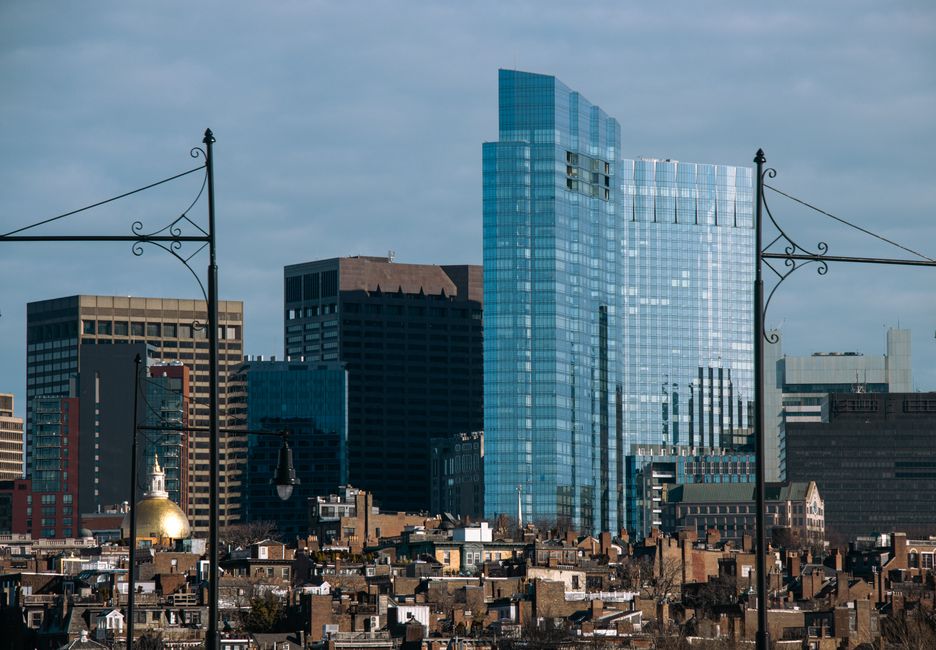
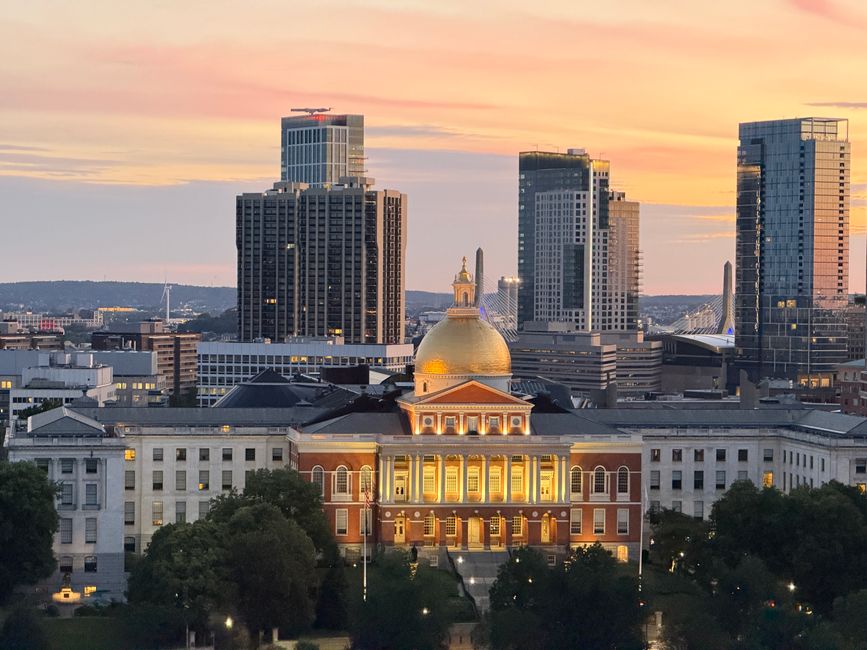
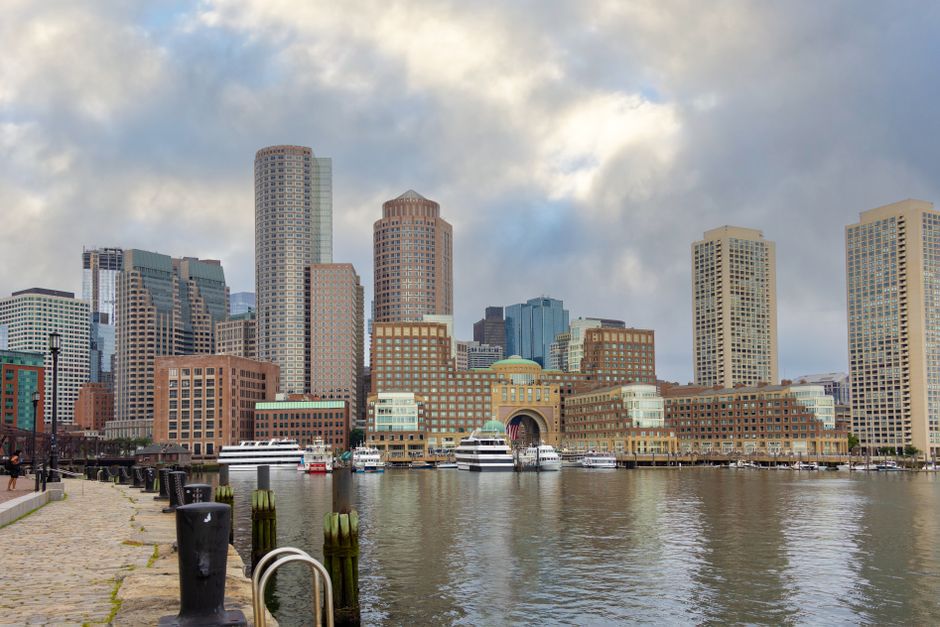
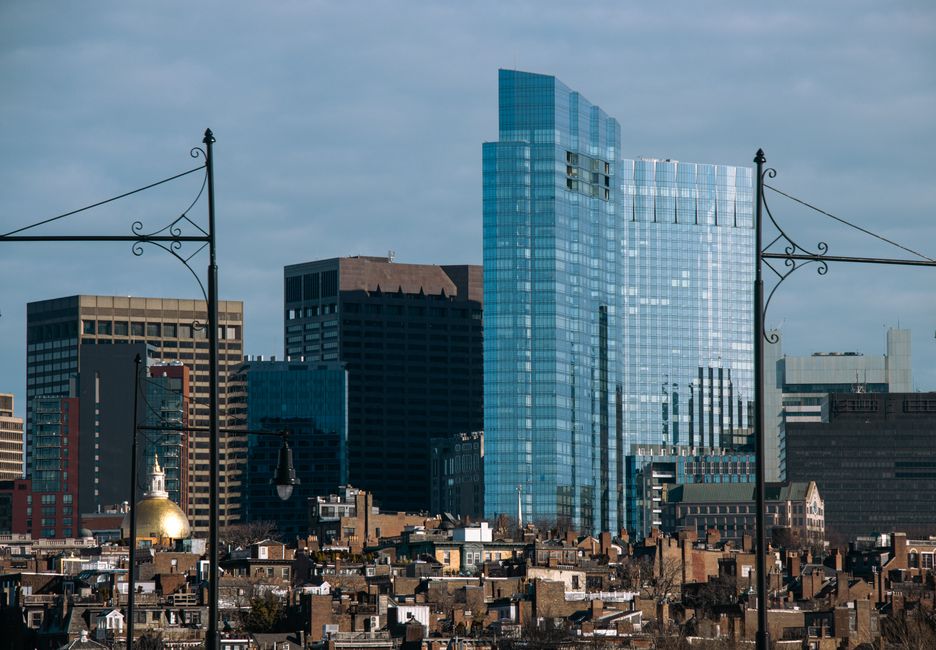
Boston's relationship with density is evolving faster than most residents realize. While high-profile projects in Charlestown and Chestnut Hill capture headlines, a more fundamental shift is happening behind the scenes—one that could reshape how Bostonians live over the next decade.
The catalyst is transit-oriented development policy, a planning framework that encourages apartment buildings and mixed-use projects within walking distance of subway and commuter rail stations. Recent zoning approvals across the city signal that planners are serious about this strategy, even as it challenges the neighborhood character long cherished by many Boston communities.
The numbers tell the story. Current development pipelines show nearly 8,000 residential units in various stages of approval across the metropolitan area, with roughly 35 percent of those projects located within a quarter-mile of transit nodes. For context, the median home price in Boston proper currently hovers around $625,000, while rental apartments average $2,100 monthly—figures that have climbed steadily despite new supply coming online.
"We're seeing developers prioritize locations on the Green Line and Orange Line corridors," explains local real estate analyst Marcus Chen. "A studio apartment near Forest Hills or Sullivan Square commands nearly the same rent as a one-bedroom in Back Bay, but the construction costs are lower. The economics make sense."
This shift has triggered predictable resistance. Neighborhood groups in Jamaica Plain and Brookline have mobilized around concerns that new density will strain parking, schools, and community services. Yet planners counter that Boston's housing shortage—with vacancy rates below 3 percent—leaves few alternatives to aggressive development.
The Charlestown project exemplifies the trend: 240 new apartments replacing a dated commercial structure, with ground-floor retail and bike facilities. Similar projects are moving forward in Somerville's Union Square and along the Blue Line in Revere, where land costs remain more affordable.
Affordability remains the open question. While new construction theoretically relieves pressure on existing housing stock, most new units rent or sell at market rates that many working Bostonians cannot afford. The city requires developers to include modest percentages of below-market units—typically 13-15 percent—but advocates argue this falls short of actual need.
As Boston continues its transformation from a mid-size city into a genuine metropolitan hub, these zoning battles will intensify. The outcome will determine whether development serves established communities or displaces them—a tension that no headline-grabbing ribbon-cutting ceremony will resolve.
This article was compiled by AI and screened before publishing. See our editorial standards.
How does this story make you feel?
Spread the word
About this article
Published by The Daily Boston
Daily brief
Free, in your inbox before 7am. Weekdays.
More in Property