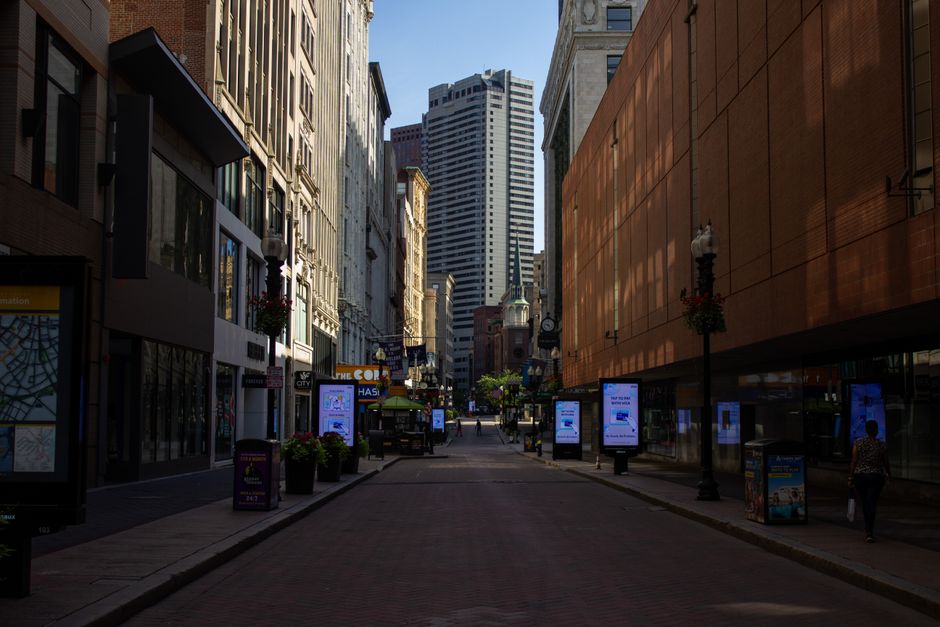
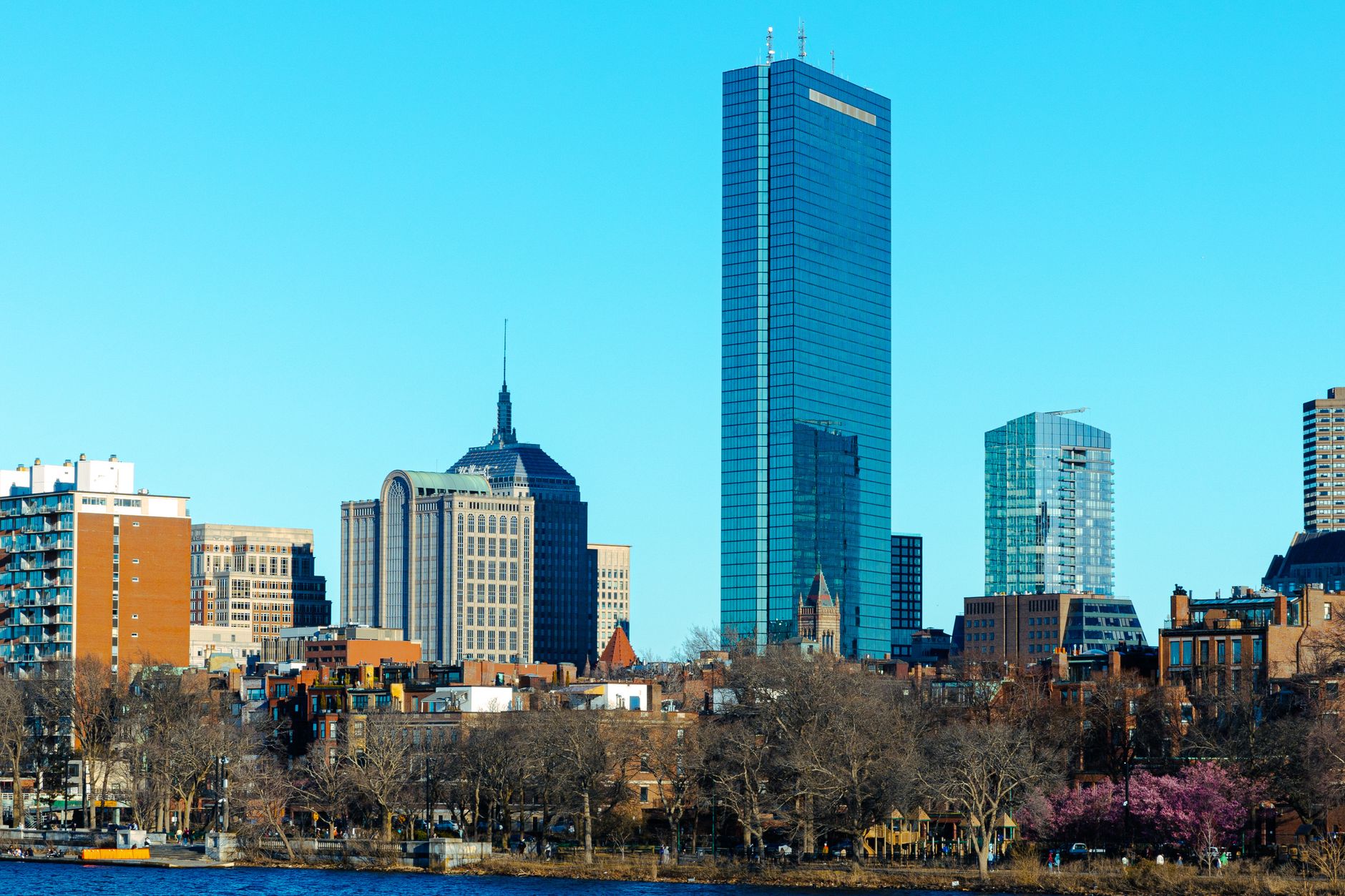
Boston's City Council took a historic step forward on housing policy Tuesday, voting 11-2 to approve zoning modifications that would permit mid-rise residential development in traditionally single-family neighborhoods including parts of Beacon Hill, Back Bay, and Jamaica Plain. The vote marks the most significant shift in the city's land-use regulations in nearly two decades and comes as Boston grapples with a median home price that has climbed to $687,000—among the highest in the nation.
The new ordinance, championed by City Councilors Kendra Lara and Enrique Pepen, would allow developers to construct buildings up to seven stories on select parcels currently zoned for single-family homes, provided they dedicate 20 percent of units to affordable housing. City planners estimate the changes could unlock sites for roughly 3,500 new residential units over the next decade.
"We have a crisis, and incremental solutions won't solve it," Lara said during the debate, referencing data showing Boston's rental vacancy rate hovering near 2.1 percent—below the 5 percent threshold economists consider healthy. The median rent for a one-bedroom apartment in downtown Boston now exceeds $2,100 monthly.
The vote did not come without friction. Residents from several neighborhoods packed the Boston City Hall auditorium, with speakers from the Beacon Hill Civic Association and Jamaica Plain's Planning and Development Committee raising concerns about preservation, parking, and neighborhood character. The city's historic preservation commission had requested modifications to protect architecturally significant blocks, though the council rejected several amendments addressing those concerns.
Mayor Michelle Wu, who backed the measure, must formally sign the ordinance within two weeks. Her office indicated she plans to do so, calling the zoning shift "essential to our housing equity goals."
Real estate analysts say the implications extend beyond residential construction. The zoning changes are expected to increase land values in affected areas, potentially triggering property reassessments that could affect long-term residents in neighborhoods like Jamaica Plain, where gentrification pressures have already accelerated. Some community advocates worry the 20 percent affordability requirement may prove insufficient given escalating development costs.
Legal challenges are already anticipated. The Beacon Hill Civic Association's executive director indicated the organization is consulting with attorneys about filing suit, citing concerns about environmental review procedures and community input timelines.
The ordinance takes effect August 1 unless successfully challenged.
This article was compiled by AI from the sources linked above and screened before publishing. See our editorial standards.