By The Numbers: What Boston's Climate Goals Actually Look Like
New data reveals how far the city has come on sustainability—and how far it still needs to go.
New data reveals how far the city has come on sustainability—and how far it still needs to go.
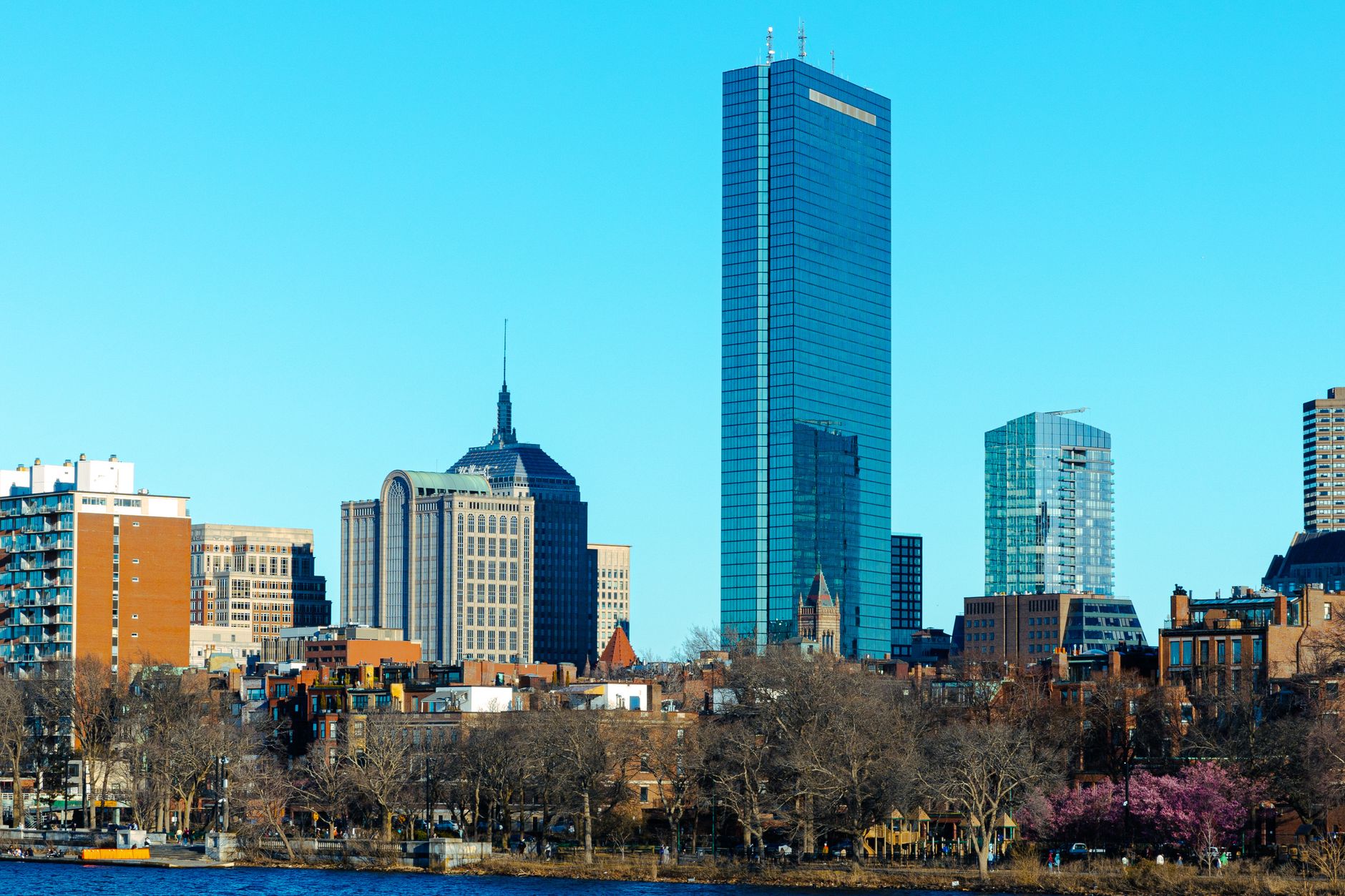
Boston's environmental ambitions have always sounded grand: carbon neutrality by 2050, a 25% reduction in greenhouse gas emissions by 2030. But what do those pledges mean when converted into the granular metrics that actually drive change?
A comprehensive analysis of the city's sustainability initiatives, compiled from Boston's Office of Environment and Energy reports and recent municipal data, reveals a picture far more textured than headline promises suggest. The numbers tell a story of incremental progress, stubborn challenges, and the sheer scale of transformation required across a 90-square-mile urban landscape.
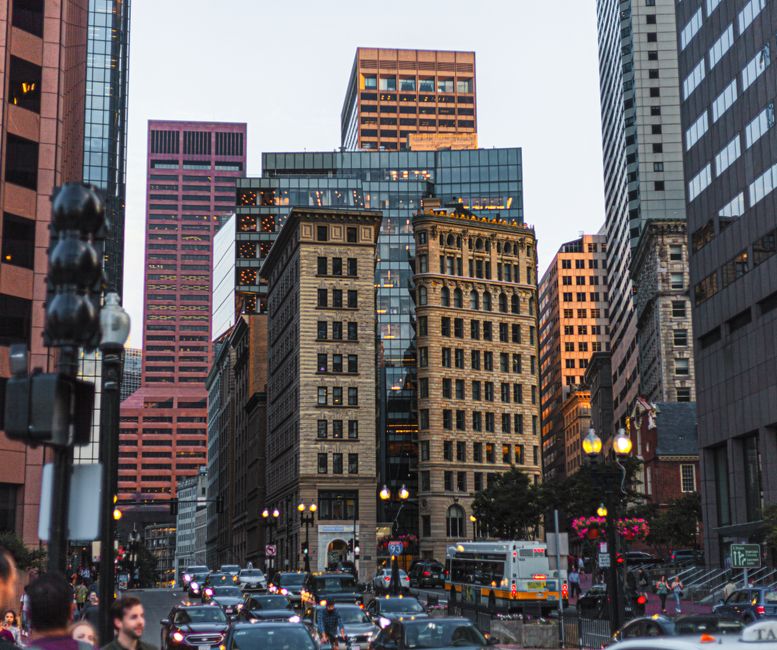
Consider the building sector, which accounts for roughly 70% of Boston's carbon emissions. The city's retrofit program, launched in earnest five years ago, has improved energy efficiency in approximately 1,200 buildings across downtown, Back Bay, and the Seaport District. Yet that represents just 8% of Boston's roughly 15,000 commercial and institutional structures. The average retrofit costs between $45 and $60 per square foot—translating to $4.5 million to $6 million for a typical mid-sized office building.
Transportation tells a similarly complex narrative. The Massachusetts Bay Transportation Authority has deployed 700 electric buses, with plans to reach 1,100 by 2030. Ridership on the Red and Green lines exceeded 110 million trips last year, yet the system still runs at only 65% of pre-pandemic capacity. Meanwhile, vehicle registrations in Suffolk County have remained stubbornly flat despite a 35% increase in electric vehicle sales citywide since 2020.
Public-private partnerships have gained traction. The Climate Ready Boston initiative has identified 17 neighborhoods at highest risk from sea-level rise and flooding. In East Boston and Dorchester, where median household income sits below $60,000, adaptation costs are estimated at $500 million to $750 million over the next 30 years—raising urgent equity questions about who bears these expenses.
The renewable energy picture brightens modestly. Solar installations across residential and commercial rooftops have grown from 847 systems in 2015 to 8,430 today, generating approximately 32 megawatts of capacity. Yet that accounts for less than 3% of the city's total electricity demand of roughly 1,100 megawatts during peak hours.
What emerges from these numbers is neither cause for celebration nor despair, but rather a clarification: Boston's sustainability transformation requires not inspirational rhetoric but sustained investment, realistic timelines, and honest accounting of progress. The gap between commitment and execution remains measurable—and that, perhaps, is the most important number of all.
This article was compiled by AI and screened before publishing. See our editorial standards.
How does this story make you feel?
Spread the word
About this article
Published by The Daily Boston
Daily brief
Free, in your inbox before 7am. Weekdays.
More in News