By the Numbers: What Boston's Crime Data Reveals About Public Safety in 2026
New statistics show a complex picture of safety across the city, with dramatic shifts in emergency response times and neighborhood-specific crime patterns.
New statistics show a complex picture of safety across the city, with dramatic shifts in emergency response times and neighborhood-specific crime patterns.
Boston's crime landscape in mid-2026 tells a story that defies simple narratives, according to newly released data from the Boston Police Department and the Office of Emergency Management. The numbers paint a city simultaneously managing success in some areas while grappling with emerging challenges in others.
According to the most recent quarterly report, response times to priority emergency calls across the city averaged 6.8 minutes—up from 5.2 minutes in the same period last year. In neighborhoods like Dorchester and Roxbury, average response times exceeded 8 minutes, while wealthier precincts in the Back Bay and Beacon Hill saw average times of 4.9 minutes. The disparity has prompted city officials to request an additional $47 million in emergency services funding for the 2027 fiscal year.
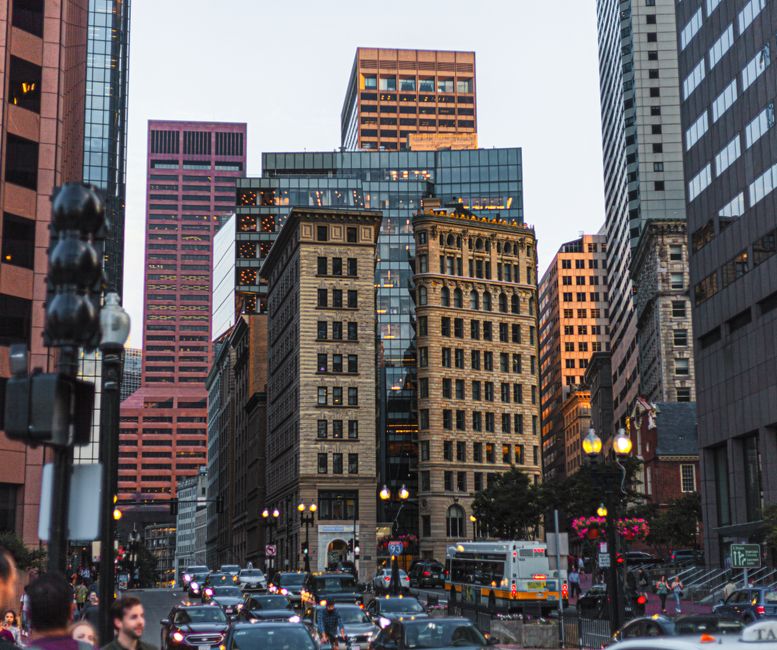
Property crimes in the Downtown Crossing and Financial District areas increased 23 percent year-over-year, with 340 incidents reported in the first half of 2026 compared to 277 in the same period last year. Retail theft comprises 67 percent of these incidents, according to data analyzed by the Downtown Boston BID. Meanwhile, violent crime citywide decreased 8 percent, with homicides falling to 34 for the first six months—the lowest figure since 2019.
The Boston Fire Department responded to 89,400 calls in the first 26 weeks of 2026, representing a 12 percent increase from 2025. Medical emergencies now account for 71 percent of all emergency responses, straining resources with an estimated cost of $340 per call to the city. Overdose-related calls surged 31 percent specifically, with the Fentanyl Task Force documenting 1,204 overdose interventions through June 15.
Community engagement metrics show mixed results. Attendance at community policing forums in neighborhoods like Jamaica Plain and Allston has doubled compared to 2025, yet participation in South Boston's public safety initiatives has declined 18 percent. The city conducted 94,000 background checks for firearms permits—up from 67,000 in 2025—reflecting what some analysts attribute to national political climate shifts.
Emergency shelter capacity across Boston reached 94 percent utilization in late June, with 2,847 individuals experiencing homelessness utilizing emergency services. The Pine Street Inn and other facilities reported turning away an average of 12 people nightly due to capacity constraints. These figures underscore the complex relationship between housing policy, mental health services, and public safety outcomes that city leaders continue to navigate.
This article was compiled by AI from the sources linked above and screened before publishing. See our editorial standards.
How does this story make you feel?
Spread the word
About this article
Published by The Daily Boston
Daily brief
Free, in your inbox before 7am. Weekdays.
More in News