Boston Officials, Experts Warn of Housing Crisis Amid Surge in Migrant Arrivals
City leaders and immigration advocates are calling for immediate action as the region grapples with unprecedented demand for affordable housing.
City leaders and immigration advocates are calling for immediate action as the region grapples with unprecedented demand for affordable housing.
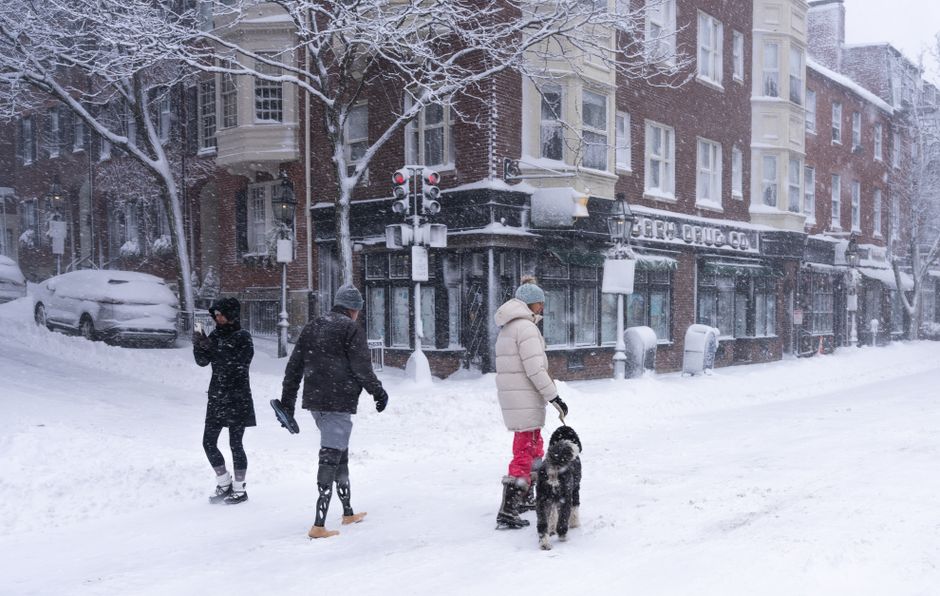
Boston's multicultural landscape is facing a critical test as city officials, housing experts, and immigrant advocacy organizations sound alarms over an acute shortage of affordable accommodations for newly arrived migrants and refugees.
The Massachusetts Immigrant and Refugee Advocacy Coalition reported last week that inquiries for housing assistance have surged 47 percent since January, straining resources across Jamaica Plain, Roxbury, and Dorchester—neighborhoods historically home to immigrant communities. The organization estimates that over 2,800 individuals and families currently lack stable housing, a figure that has prompted emergency meetings at City Hall.
"We're seeing families doubling and tripling up in single-family homes, paying $1,900 to $2,200 monthly for studio apartments that should rent for $1,400," said a spokesperson for the Boston Planning and Development Agency at a June 26 community forum held at the Roxbury Community Center on Warren Street. Officials acknowledged that the city's existing affordable housing stock—approximately 8 percent of total units—cannot absorb current demand without significant intervention.
Boston University's Center for the Study of Asia has also weighed in, noting that migration patterns reflect broader geopolitical instability affecting communities from Central America, West Africa, and South Asia. The center's recent report highlighted that Boston's Portuguese, Cape Verdean, and Brazilian communities face particular pressure, as newer arrivals compete for limited resources in neighborhoods already experiencing gentrification.
The city's Office of Workforce Development is exploring rapid-response initiatives, including converting vacant commercial spaces in the Seaport and Downtown Crossing areas into temporary shelters—a proposal that has drawn mixed reactions from local business groups. Meanwhile, nonprofit organizations including Boston's East Boston Neighborhood Health Center have expanded evening intake appointments to manage the caseload.
Immigration attorneys and scholars at Harvard Law School's Immigration and Refugee Clinical Program have advocated for streamlined work authorization processes, arguing that employment access remains the fastest path to economic stability. "Individuals waiting 180 days for work permits creates a secondary crisis," the clinic noted in testimony before the State House Committee on Economic Development last month.
City Councilor-at-Large Michael Flaherty stated that Boston must balance humanitarian obligations with fiscal responsibility, signaling upcoming discussions about state and federal funding mechanisms. Meanwhile, foundations and religious organizations are mobilizing private resources, with the Boston Foundation announcing a $5 million emergency housing initiative this fall.
As debates continue, community leaders emphasize that Boston's identity as an immigrant gateway city depends on strategic, compassionate planning—not reactive crisis management.
This article was compiled by AI from the sources linked above and screened before publishing. See our editorial standards.
How does this story make you feel?
Spread the word
About this article
Published by The Daily Boston
Daily brief
Free, in your inbox before 7am. Weekdays.
More in News