Boston's Housing Crunch Intensifies: This Week's Zoning Battle and Affordable Unit Shortage
City planners clash over density requirements as median rents near $2,800 and developers push back against new affordable housing mandates.
City planners clash over density requirements as median rents near $2,800 and developers push back against new affordable housing mandates.
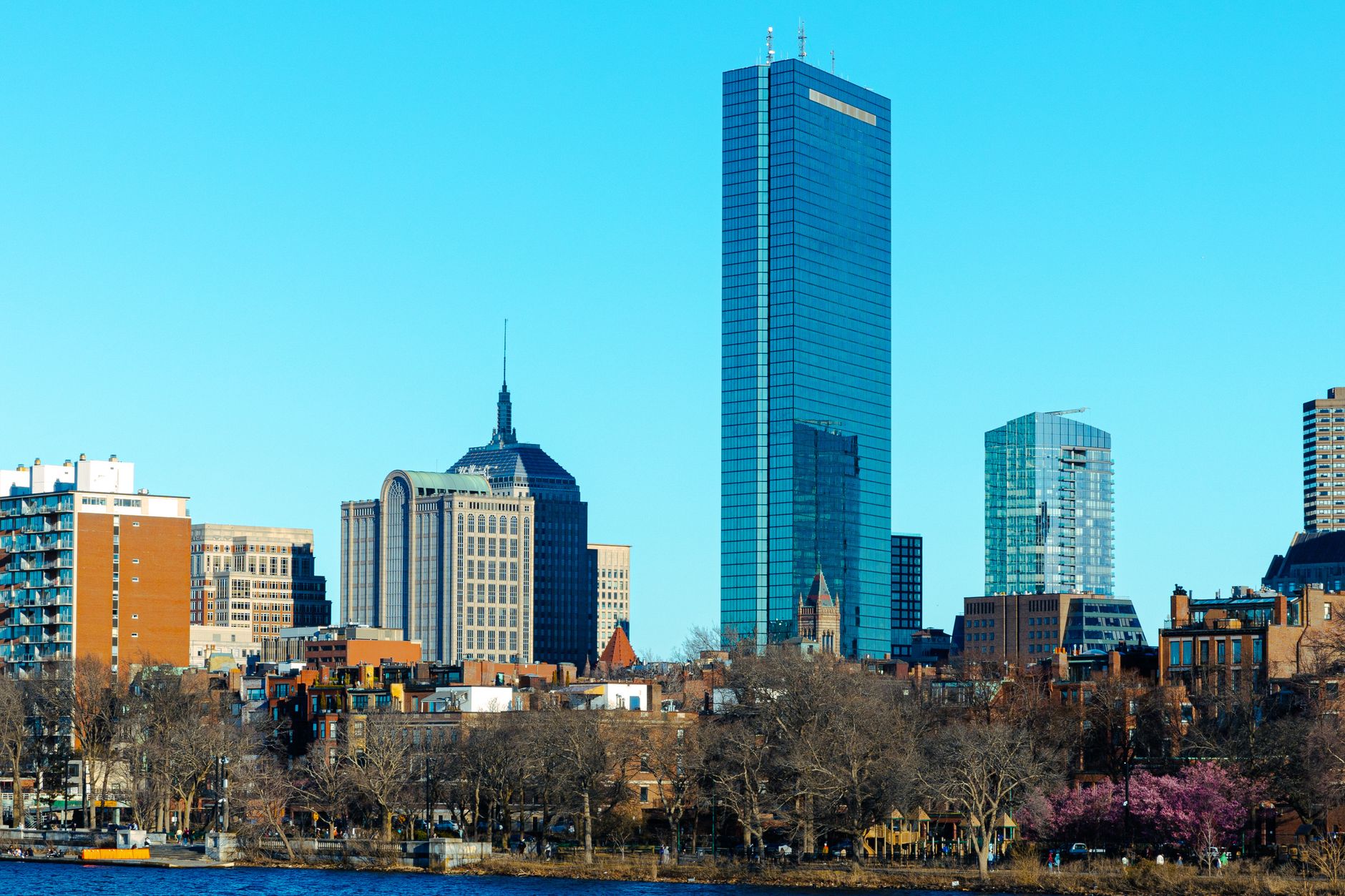
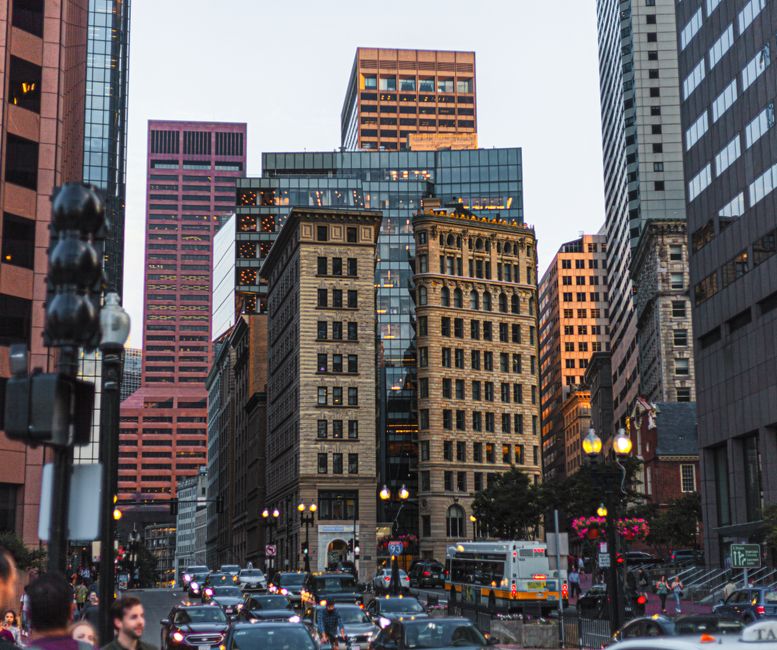
Boston's housing crisis reached a critical juncture this week as the City Council's Zoning Board of Appeals approved a contentious mixed-use development in Roxbury while simultaneously rejecting stricter affordability requirements that community advocates had championed. The 6-3 vote on the Dudley Street corridor project underscores deepening tensions between growth-minded developers and residents facing displacement in neighborhoods already experiencing double-digit annual rent increases.
The approved 285-unit development at the former Hibernia building site will include 20% affordable units—below the 25% threshold that housing justice groups have demanded. According to new data released by the Boston Planning and Development Agency on Friday, median monthly rents across the city have climbed to $2,795, a 12% jump from last year. In Allston-Brighton and Jamaica Plain, where young professionals and graduate students cluster, asking prices now exceed $3,100 for a one-bedroom.
"We're seeing a two-tiered housing market emerge," said the Metropolitan Boston Housing Partnership in a statement released Tuesday. The nonprofit reported that 67% of renters earning under 80% of area median income are cost-burdened—paying more than 30% of income toward housing. For a family of four, that threshold sits at roughly $97,000 annually.
The week's developments also included a heated Planning Board hearing on Thursday regarding proposed zoning changes near the Green Line's Symphony station. The amendment would permit taller residential buildings on Huntington Avenue, potentially unlocking development on underutilized commercial properties. Environmental justice advocates raised concerns about tree canopy loss and increased street-level shadowing in an already dense corridor.
Mayor Michelle Wu's office issued a statement Friday reaffirming commitment to the city's goal of 69,000 new housing units by 2030—a target that requires accelerating permitting and approvals. However, construction bottlenecks persist. Supply chain delays and labor shortages have slowed projects across Seaport, Waterfront, and Cambridge Street, according to the Building Trades Council.
Meanwhile, the Jamaica Plain Neighborhood Council has launched a campaign challenging City Hall's proposed reduction of parking minimums in residential developments. Some residents worry looser requirements will strain already-limited curb space, though urban planners argue such mandates artificially inflate construction costs, ultimately raising rents.
With summer recess approaching, expect housing policy to dominate fall City Council sessions. The next major vote on inclusionary zoning reforms is scheduled for September.
This article was compiled by AI and screened before publishing. See our editorial standards.
How does this story make you feel?
Spread the word
About this article
Published by The Daily Boston
Daily brief
Free, in your inbox before 7am. Weekdays.
More in News