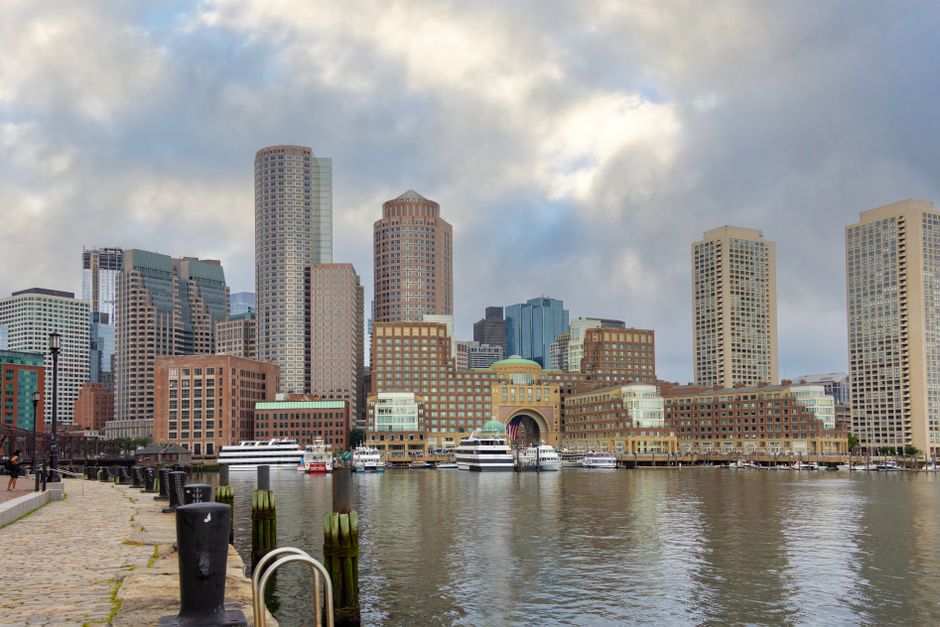
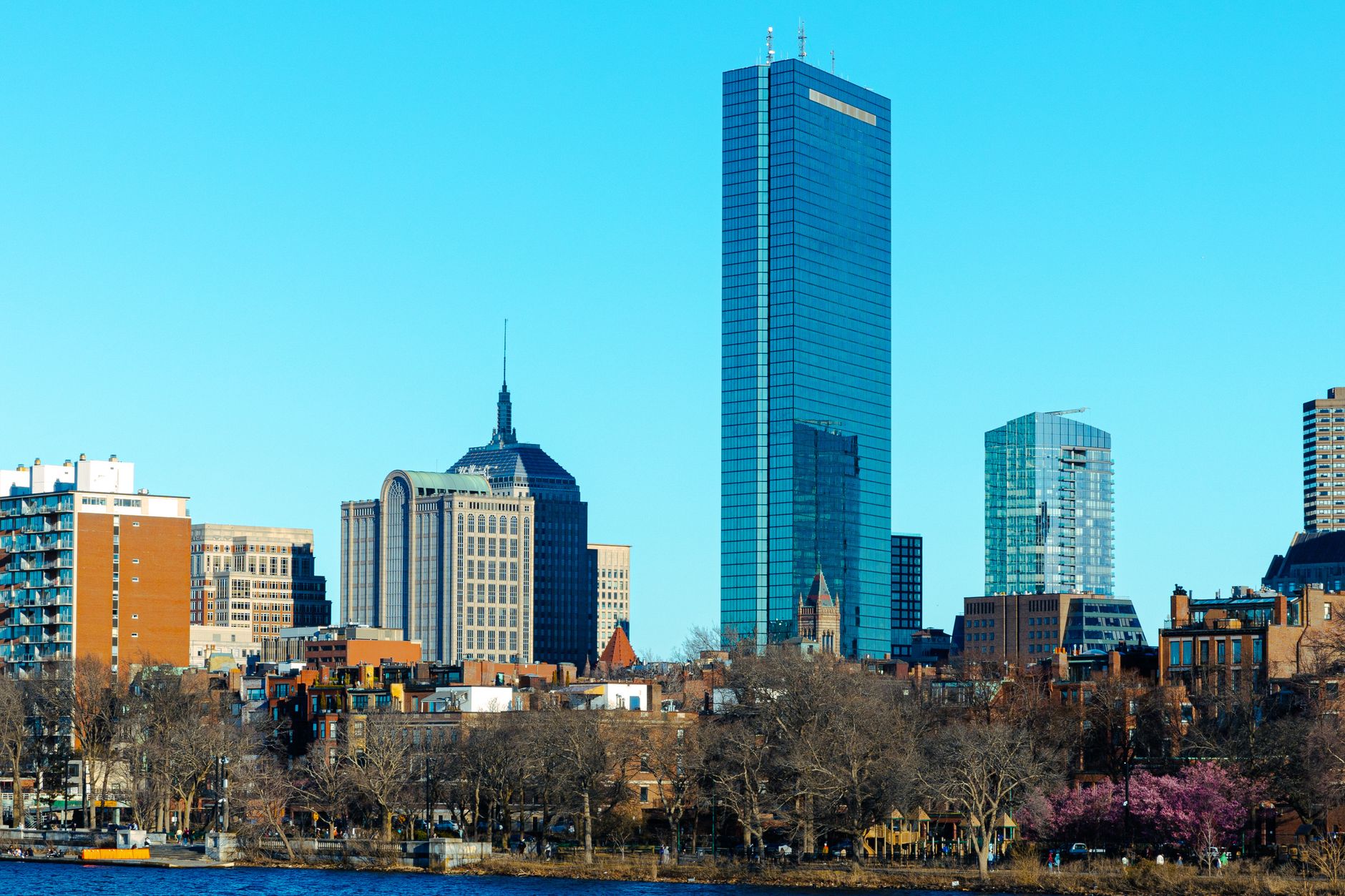
Boston's current housing affordability crisis didn't emerge overnight. To understand why median rents in neighborhoods like Back Bay and the Seaport now regularly exceed $3,200 monthly, and why the city has struggled to build sufficient affordable units, requires examining the decisions—and indecisions—that accumulated over the past two decades.
The roots trace back to Boston's restrictive zoning codes, particularly in neighborhoods like Beacon Hill and parts of Cambridge, where single-family home protections were enshrined as early as the 1980s. These regulations, originally designed to preserve neighborhood character, effectively froze housing supply growth even as employment at hospitals like Mass General and teaching institutions like BU expanded rapidly. Between 2000 and 2020, Boston added roughly 30,000 jobs but constructed fewer than 15,000 new housing units.
A turning point came in the 2010s, when city planners attempted major rezoning initiatives in neighborhoods including Roxbury and Jamaica Plain. Community opposition, often framed around gentrification concerns rather than housing shortage concerns, stalled several projects. Meanwhile, developers seeking cheaper land increasingly bypassed Boston proper for surrounding suburbs, fragmenting the regional housing market and concentrating pressure on existing stock.
The Seaport District development, which began transforming the waterfront in the early 2010s, offered a case study in both opportunity and limitation. While the neighborhood now houses thousands of new residents, the units were predominantly market-rate, adding little to the city's affordable housing stock. Recent city data shows Boston has approximately 67,000 rent-controlled units but continues losing them through deregulation and property conversion.
Transit policy choices also contributed to the current moment. The MBTA's limited expansion to neighborhoods like Allston-Brighton and Mattapan meant these areas remained car-dependent and less attractive for dense residential development, even as housing demand soared downtown. Strategic decisions about where to invest transit infrastructure effectively created geographic tiers of desirability.
By 2023, as rents climbed toward crisis levels, the city launched its Housing Boston 2030 initiative, committing to 69,000 new units. Yet implementation has faced ongoing obstacles: neighborhood opposition, construction cost inflation reaching $500+ per square foot, and uncertainty around inclusionary zoning requirements that developers argue make projects financially unviable.
Understanding how Boston arrived here matters because city officials now face a fundamental question: can zoning reform, public land development, and state-level intervention reverse decades of restrictive policy choices? The answer will define whether ordinary Bostonians remain able to afford living in the city they've helped build.
This article was compiled by AI and screened before publishing. See our editorial standards.