Boston's Green Revolution: How the Hub Stacks Up Against Global Sustainability Leaders
As major cities worldwide race to meet climate targets, Boston is charting its own course—with mixed results compared to European and Asian peers.
As major cities worldwide race to meet climate targets, Boston is charting its own course—with mixed results compared to European and Asian peers.
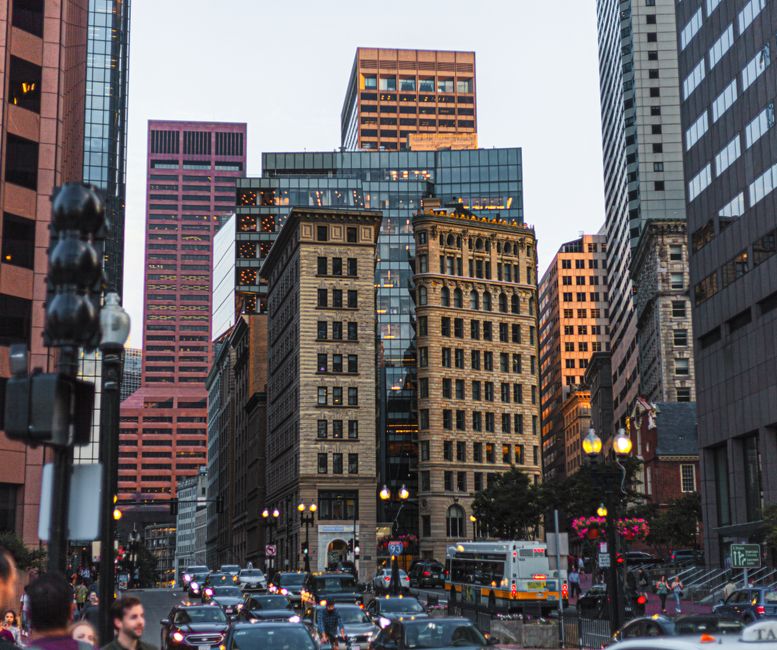
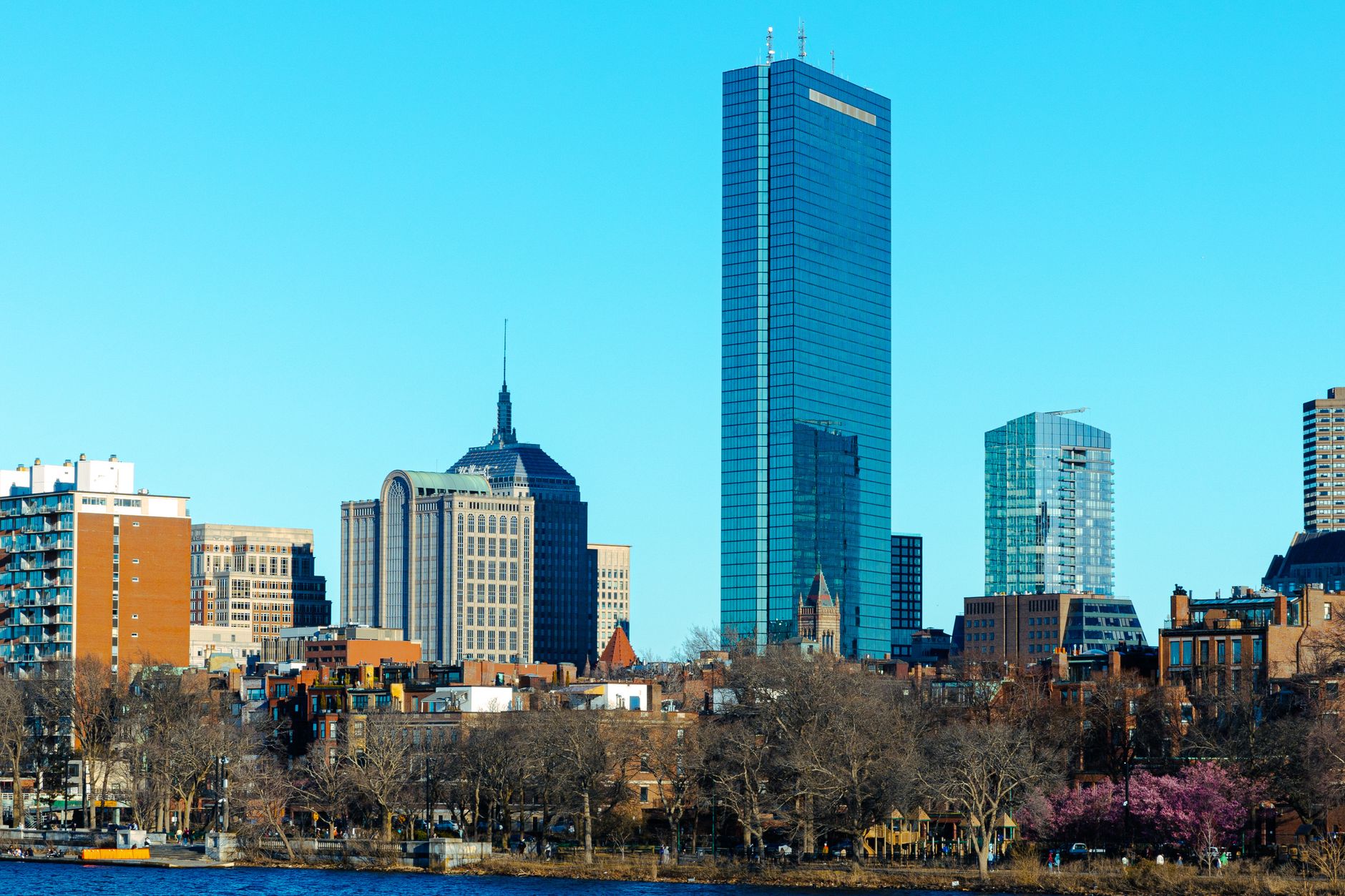
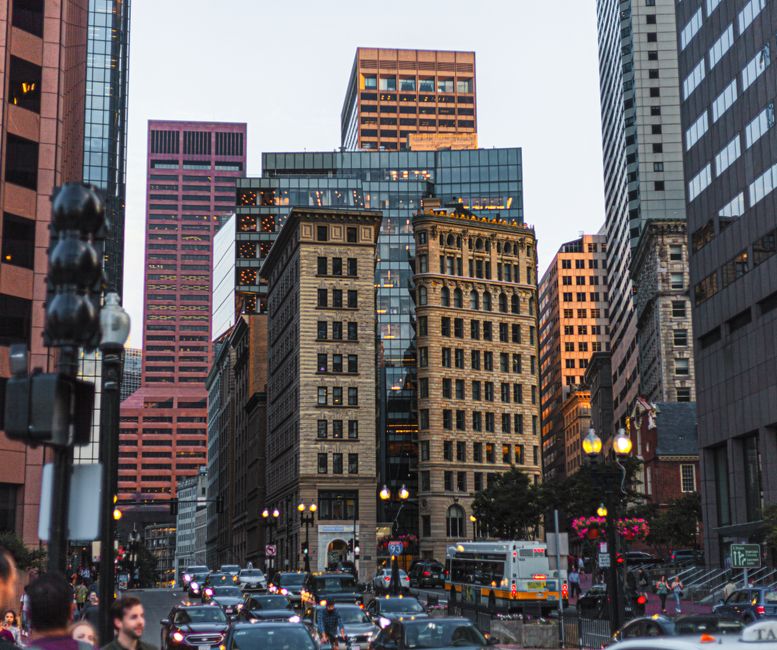
Boston's commitment to becoming carbon-neutral by 2050 has gained momentum in recent years, but a closer look at how the city compares to global counterparts reveals a more complicated picture of progress and persistent challenges.
The city's recent initiatives have been substantive. The Greenway, the converted highway space now spanning 1.5 miles through downtown, has become a model for urban renewal that cities from Copenhagen to Seoul have studied. Meanwhile, Boston's ban on single-use plastic bags, implemented in 2018, mirrors similar policies in San Francisco and EU nations. The T's expansion plans, including the Green Line Extension completed in 2022, promise to reduce vehicle emissions—though critics note that Boston's transit infrastructure still lags behind systems in Vienna or Singapore by ridership metrics and accessibility.
Where Boston distinguishes itself is in innovation hubs. The convergence of MIT, Harvard, and dozens of clean-tech startups around Kendall Square and the Seaport District has created an entrepreneurial ecosystem that rivals Berlin's sustainability sector. Local companies are developing next-generation battery storage and carbon capture technologies that attract international investment.
However, housing affordability threatens these ambitions. While Amsterdam and Barcelona have aggressively pursued mixed-density development to reduce sprawl, Boston's median home price—now exceeding $650,000 in many neighborhoods—pushes lower-income residents outward, increasing commute distances and transportation emissions. Neighborhoods like Dorchester and Roxbury, historically underserved in green infrastructure investment, remain disproportionately affected by heat islands compared to wealthier areas.
Boston's renewable energy transition also trails some peers. While the city sources about 25 percent of its electricity from renewables, Nordic countries like Denmark and Norway exceed 80 percent. The city's late push toward offshore wind development—with Cape Wind proposals finally gaining traction—comes years behind European projects.
Local organizations like the Boston Green Ribbon Commission and the Environmental League of Massachusetts are working to bridge gaps, advocating for more aggressive zoning reforms and equitable climate spending. Yet funding constraints mean progress remains slower than in well-capitalized European cities.
The verdict? Boston punches above its weight in innovation and cultural willingness to change, but falls behind global leaders in execution speed and equitable implementation. As the city races toward 2050, closing that gap will require matching ambition with resources—and ensuring prosperity isn't reserved for those already thriving along the Charles River.
This article was compiled by AI and screened before publishing. See our editorial standards.
How does this story make you feel?
Spread the word
About this article
Published by The Daily Boston
Daily brief
Free, in your inbox before 7am. Weekdays.
More in News