Boston's Climate Goals at a Crossroads: Which Path Will the City Choose?
As the city faces a 2050 net-zero deadline, municipal leaders must decide between aggressive near-term emissions cuts or a slower, market-driven approach.
As the city faces a 2050 net-zero deadline, municipal leaders must decide between aggressive near-term emissions cuts or a slower, market-driven approach.

Boston stands at a critical juncture in its environmental ambitions. The city's commitment to achieve carbon neutrality by 2050 remains intact, but how it gets there—and how quickly—will be determined by a series of high-stakes decisions arriving within months, not years.
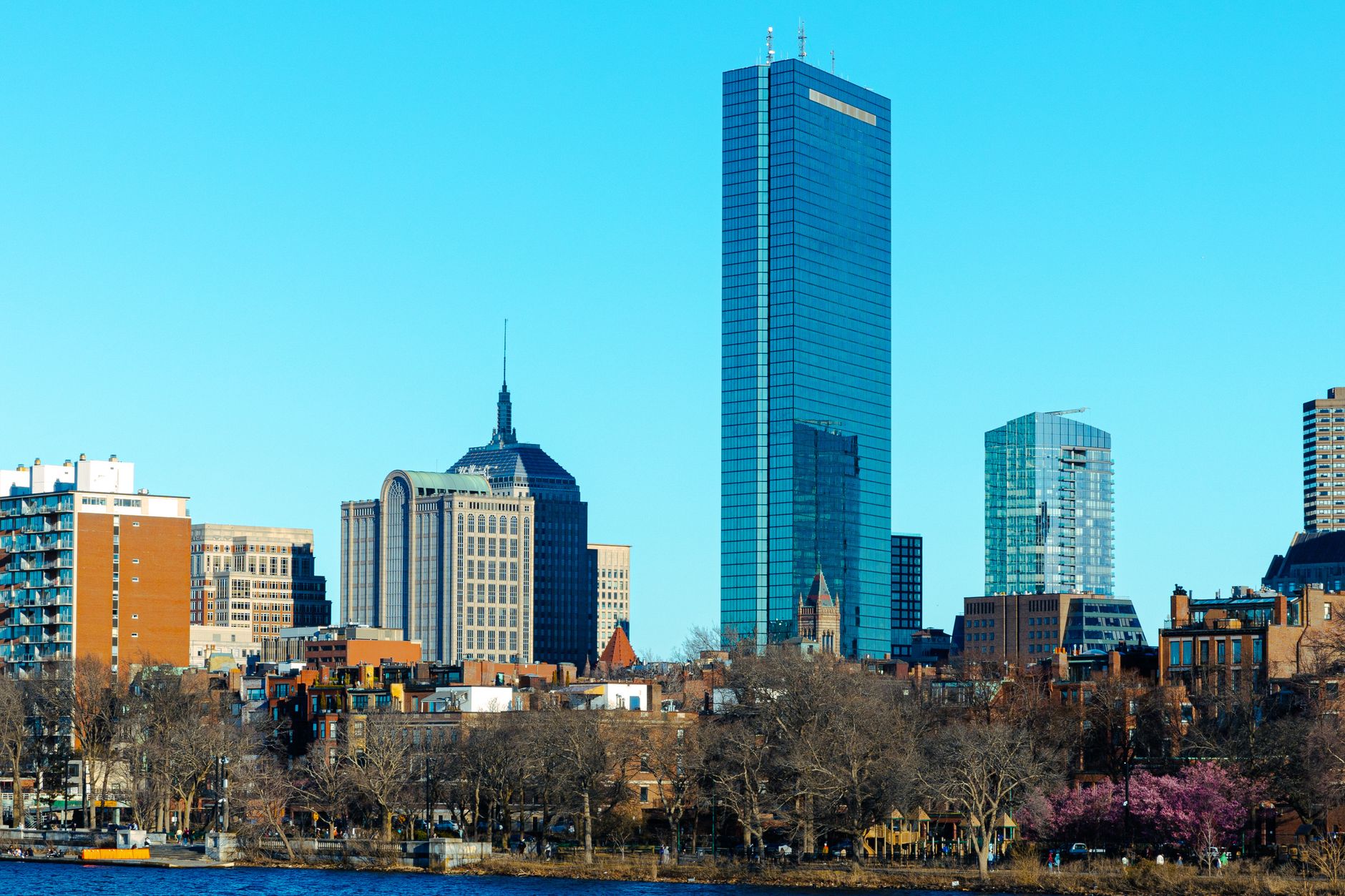
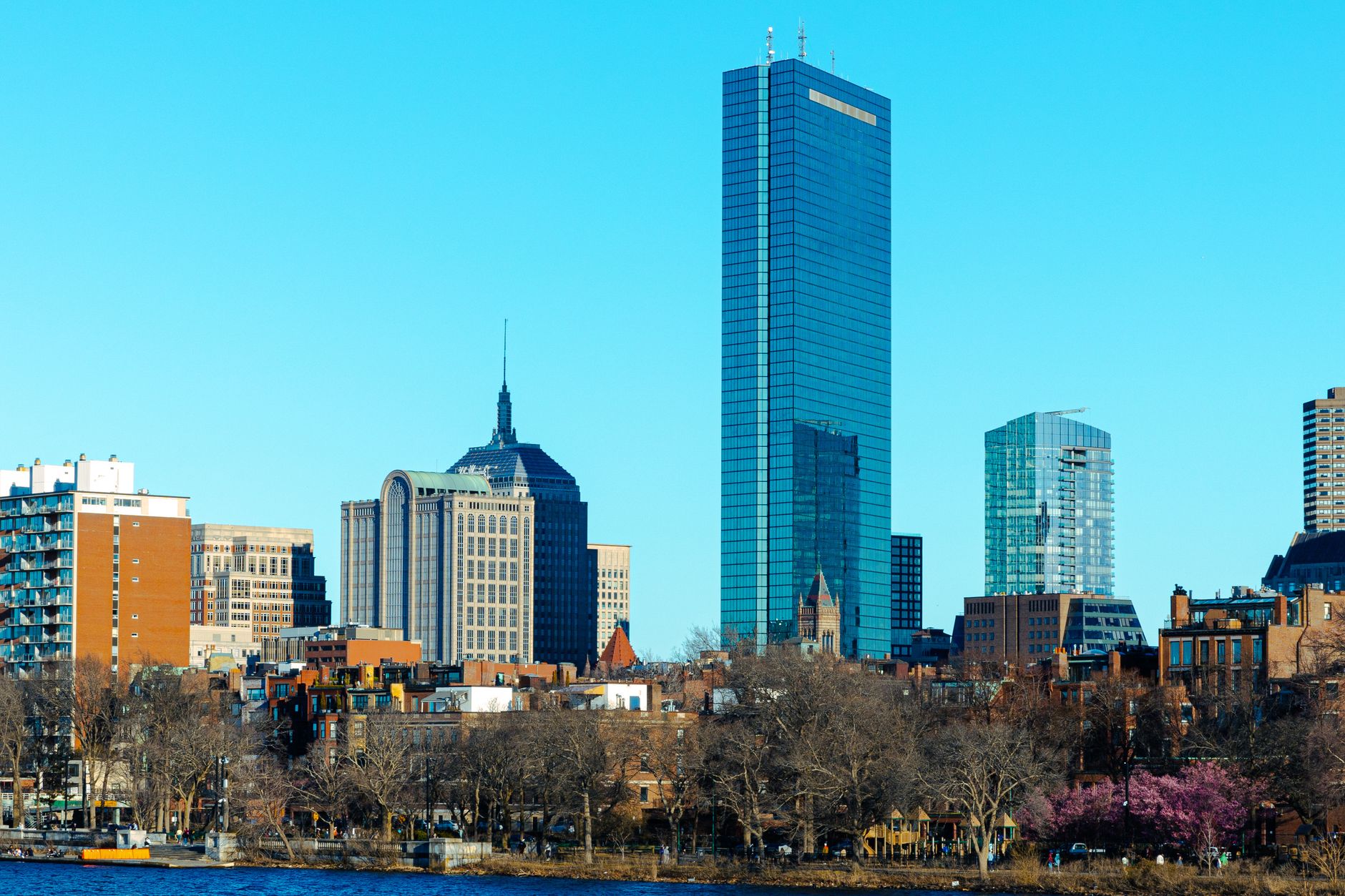
The stakes are tangible. Boston's building sector, concentrated along the Charles River waterfront and throughout the Back Bay and Seaport neighborhoods, accounts for roughly 70 percent of the city's greenhouse gas emissions. Most of these structures, many predating modern efficiency standards, still rely on fossil fuel heating systems. The question now: should the city mandate rapid retrofitting through strict regulations, or encourage gradual transition through market incentives?
The City of Boston's Office of Environment announced earlier this year that it would present two contrasting pathways by fall 2026. The first scenario involves mandatory energy performance standards for buildings over 25,000 square feet by 2028, with escalating requirements through 2040. The second relies on expanded tax credits and federal grant programs to incentivize upgrades voluntarily. Implementation costs could range from $8 billion to $14 billion across both approaches.
Transportation presents an equally consequential fork. The MBTA's bus fleet electrification project, already underway, faces budget constraints. A decision looms on whether to accelerate the replacement of diesel buses on high-traffic routes—such as the 1 bus running through Downtown Boston and the Seaport—or maintain the current 15-year transition schedule. Transit advocates argue that accelerating benefits low-income neighborhoods disproportionately affected by air pollution; fiscal conservatives warn of property tax implications.
Then there's the Harbor itself. Rising sea levels threaten properties in the Waterfront District and South Boston. The city must soon decide whether to fund extensive seawalls and resilience infrastructure—estimated at $500 million—or pursue nature-based solutions like salt marsh restoration in areas surrounding the Boston Harbor Islands.
Environmental groups have been vocal. The Green Boston Coalition has submitted detailed testimony urging the city to adopt the more aggressive regulatory pathway. Business organizations, including the Greater Boston Chamber of Commerce, have advocated for flexibility and longer timelines.
City officials have promised transparency throughout the decision-making process, with public hearings scheduled for September and October. These meetings will likely prove contentious, revealing fundamental disagreements about pace, cost-sharing, and the role of government mandates versus market forces.
What happens next will define not only Boston's environmental trajectory but also its reputation as a climate leader—or a city that chose caution over commitment.
This article was compiled by AI and screened before publishing. See our editorial standards.
How does this story make you feel?
Spread the word
About this article
Published by The Daily Boston
Daily brief
Free, in your inbox before 7am. Weekdays.
More in News