City Council Approves $2.8B Housing Initiative as Affordable Units Crisis Deepens
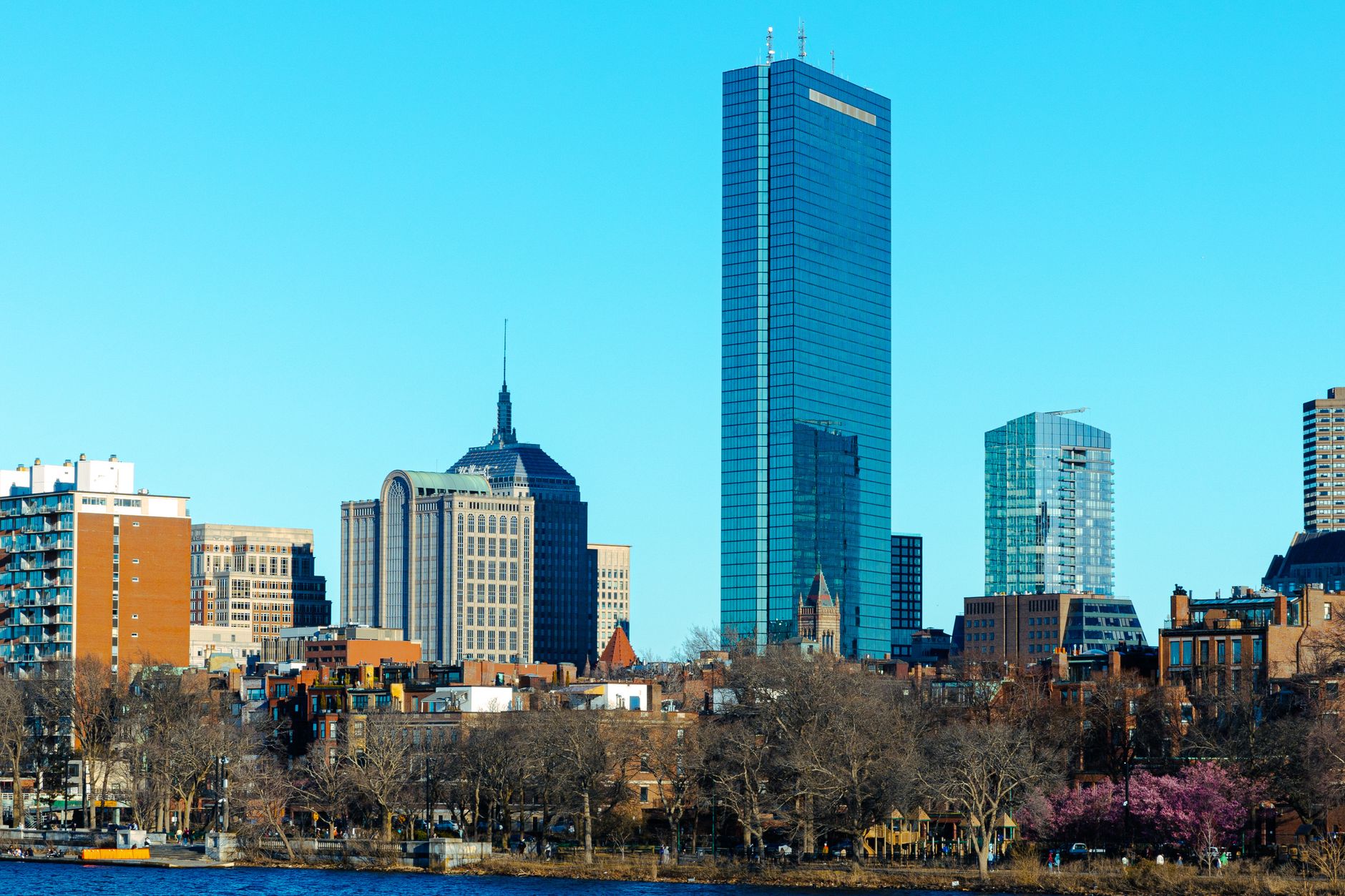
Boston's latest developments this week signal a major shift in how City Hall tackles the region's persistent shortage of below-market rentals.
Boston's latest developments this week signal a major shift in how City Hall tackles the region's persistent shortage of below-market rentals.
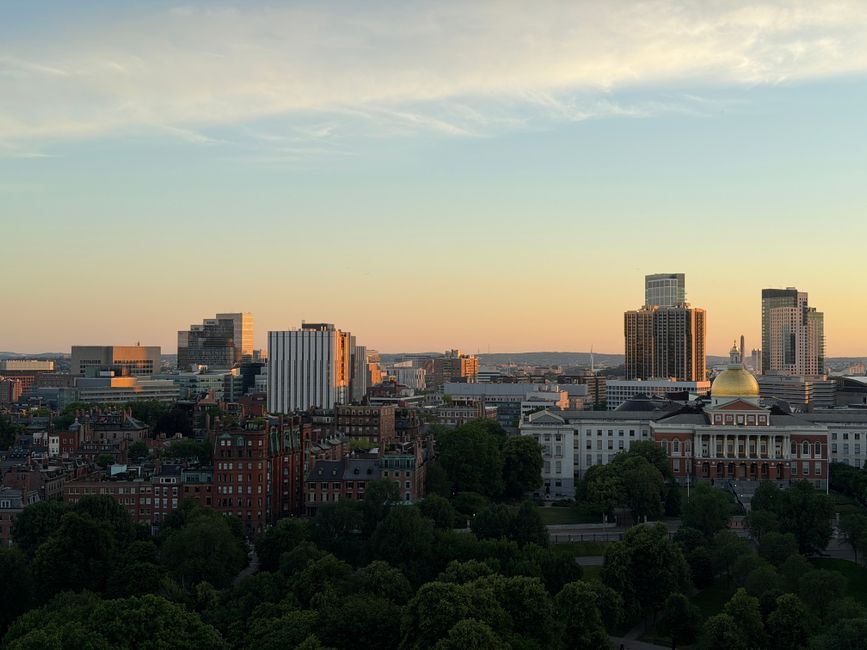
Boston's City Council voted unanimously Monday to advance a $2.8 billion housing development framework that aims to create 8,500 new affordable units over the next decade, marking the most ambitious affordable housing push since Mayor Michelle Wu took office. The initiative, unveiled during a special session at City Hall on School Street, targets underutilized parcels across Roxbury, Dorchester, East Boston, and Jamaica Plain.
The proposal comes as median rent in Boston reached $2,450 per month this quarter—up 8 percent year-over-year—according to data released by the Boston Planning and Development Agency on Tuesday. For a family earning the area median income of $89,000, housing costs now consume roughly 33 percent of household income, exceeding the federal affordability benchmark of 30 percent.
"This is about keeping Boston a city where working families can actually live," Wu said during a press conference at the Kroc Center in Dorchester, where dozens of housing advocates and union representatives gathered to voice support. The initiative pairs $1.2 billion in city bonding authority with $1.6 billion in anticipated state and federal grants.
The City Council hearing, which extended past midnight, surfaced concerns from several West End and Beacon Hill residents about gentrification displacement in their neighborhoods. Councilwoman Liz Breadon pushed back, noting that the framework explicitly prioritizes anti-displacement measures, including community land trusts and tenant protections.
Also this week, the Boston Transportation Department announced completion of a $47 million redesign of the Tremont Street corridor in the Theatre District—a project that included wider sidewalks, improved transit access, and new cycling infrastructure. The department reported that pedestrian traffic in the area increased 22 percent following the April opening.
Meanwhile, the School Committee faced pushback over proposed budget cuts totaling $18 million after the state reduced municipal aid allocations. Superintendent Mary Skipper will present revised budget options at next week's meeting, with particular scrutiny on proposed reductions to arts programming across Boston Public Schools.
On the development front, the Waterfront neighborhood welcomed approval for a mixed-use complex near the Harborwalk that will include 312 residential units, 15,000 square feet of retail space, and a public plaza. The project, backed by Boston Properties, is expected to break ground in fall 2026.
This article was compiled by AI from the sources linked above and screened before publishing. See our editorial standards.
How does this story make you feel?
Spread the word
About this article
Published by The Daily Boston
Daily brief
Free, in your inbox before 7am. Weekdays.
More in News