By the Numbers: What Boston's Green Building Boom Actually Looks Like
New data reveals the scale of Boston's sustainability shift—and exposes gaps in how the city measures progress toward its climate goals.
New data reveals the scale of Boston's sustainability shift—and exposes gaps in how the city measures progress toward its climate goals.

Boston is in the throes of an environmental transformation, but the story hidden in the statistics tells a more nuanced tale than the headline-grabbing announcements might suggest.
The city's Building Energy Reporting and Disclosure Ordinance (BEDO), which requires commercial properties over 25,000 square feet to annually report energy consumption, has generated five years of comparable data. The numbers are striking: across roughly 1,400 buildings tracked, average energy intensity dropped from 18.2 kilowatt-hours per square foot in 2021 to 16.8 in 2025—an 7.7 percent improvement. Yet progress has plateaued over the last two years, suggesting the low-hanging fruit has been picked.
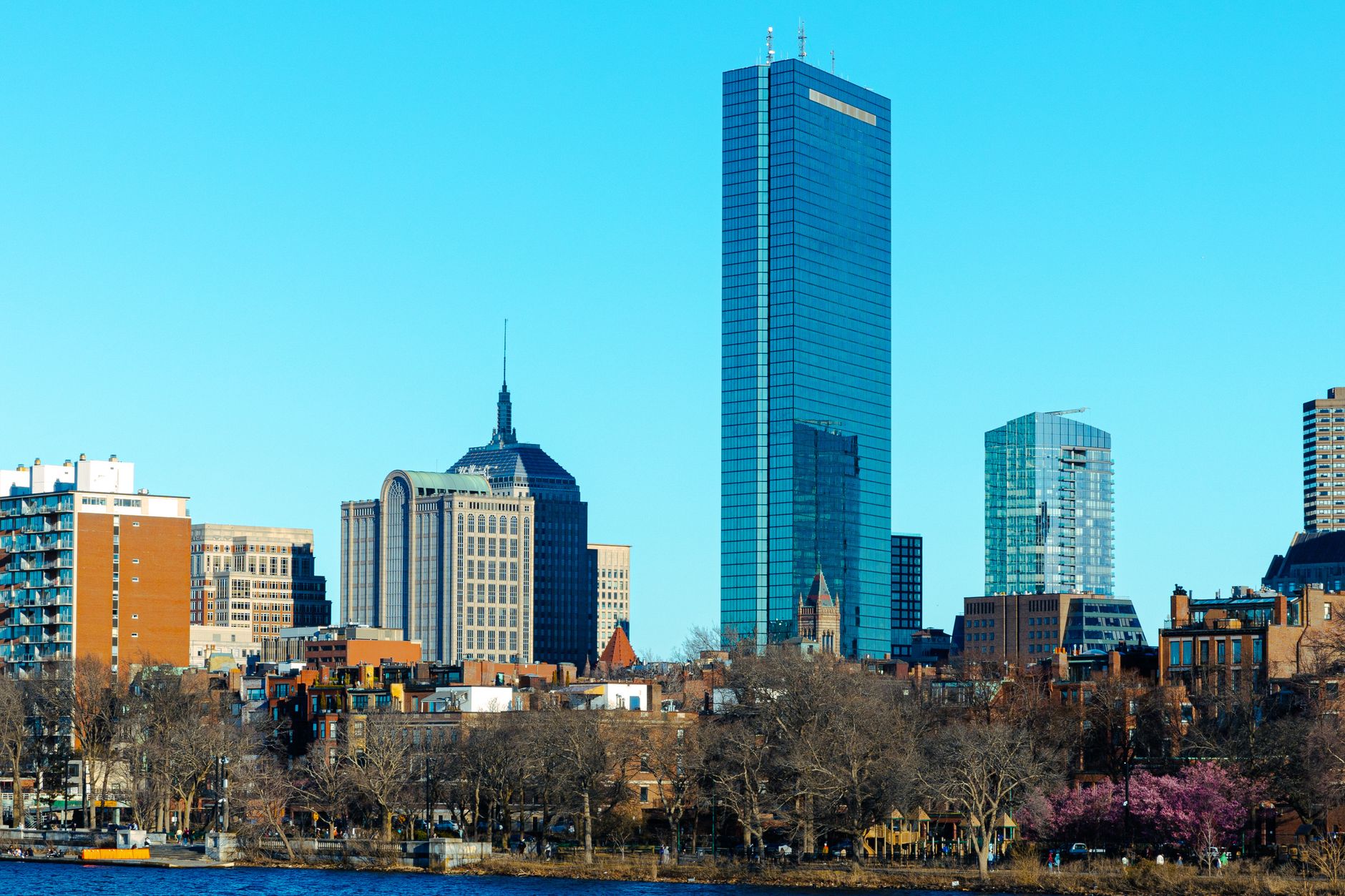
The Seaport District and Back Bay lead in efficiency metrics. Buildings in the Seaport—including the recent renovations along the Innovation District near the Boston Convention & Exhibition Center—average 14.1 kWh per square foot, compared to 19.3 in the Financial District. That disparity reflects the newer construction standards applied to waterfront development, but it also highlights an uncomfortable truth: older neighborhoods face steeper retrofitting costs.
Water consumption tells another story. Boston Water and Sewer Commission data shows the city consumed 72.2 billion gallons annually in 2024, up from 69.8 billion in 2020 despite population growth of only 1.2 percent. While per-capita usage actually declined slightly—from 105 gallons per person daily to 101—the absolute increase reflects industrial and commercial demand not captured in residential figures.
The city's 2050 net-zero emissions goal requires a 50 percent reduction by 2030. Current trajectory suggests Boston will hit roughly 38 percent by that deadline, according to projections from the Boston Planning & Development Agency. Transportation accounts for 47 percent of emissions; buildings account for 42 percent.
Transit ridership on the MBTA offers another bellwether. Green line trips increased 12 percent from 2023 to 2025, now averaging 89,400 daily riders, while commuter rail usage climbed to 125,000 daily passengers—the highest since 2019. Yet overall transit ridership remains 8 percent below pre-pandemic levels, suggesting remote work and suburban sprawl continue complicating the emissions equation.
Perhaps most revealing: municipal spending on sustainability initiatives reached $287 million in fiscal 2025, yet represents just 3.1 percent of the city's total budget. Environmental advocates argue the disparity between ambition and funding remains Boston's most stubborn statistic.
This article was compiled by AI and screened before publishing. See our editorial standards.
How does this story make you feel?
Spread the word
About this article
Published by The Daily Boston
Daily brief
Free, in your inbox before 7am. Weekdays.
More in News