How Boston's Housing Crisis Became a Defining Issue: The ...
From postwar development patterns to restrictive zoning laws, understanding the policy decisions that created the region's affordable housing shortage.
From postwar development patterns to restrictive zoning laws, understanding the policy decisions that created the region's affordable housing shortage.
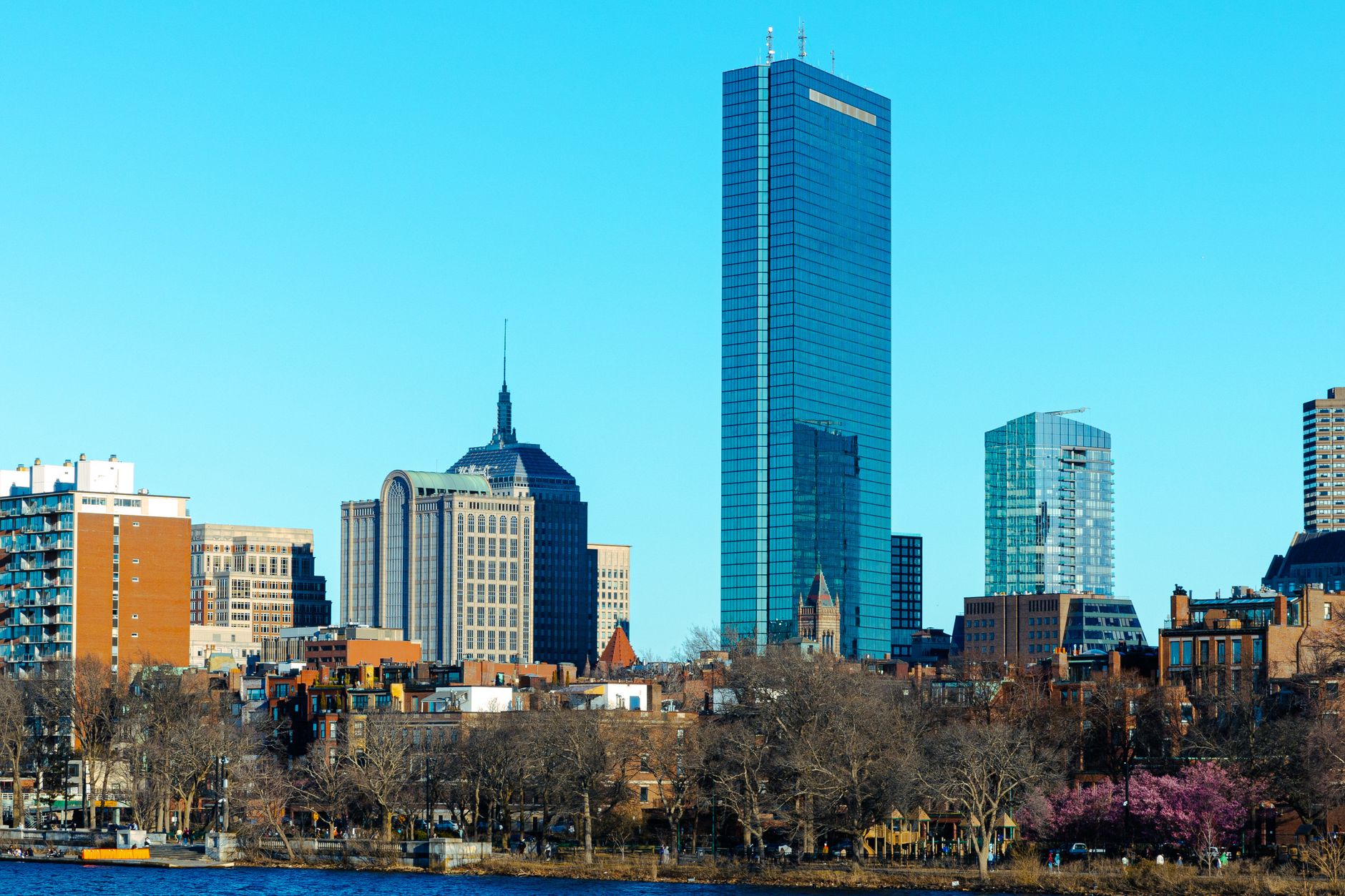
Boston's housing affordability crisis didn't emerge overnight. It's the product of seven decades of urban planning decisions, zoning restrictions, and market forces that have systematically constrained supply while demand has soared.
The roots trace back to the 1950s, when Boston's urban renewal programs demolished thriving neighborhoods like the West End to make way for institutional and commercial development. Those demolitions displaced thousands of working-class residents, setting a precedent for prioritizing real estate development over residential stability. The city's population declined from 801,000 in 1950 to roughly 680,000 by the 1980s, even as surrounding suburbs boomed with single-family homes on large lots.
Then came exclusionary zoning. Cambridge, Brookline, and Newton—municipalities surrounding Boston—enacted strict regulations requiring large lot sizes and prohibiting multifamily dwellings. These policies, ostensibly aimed at preserving neighborhood character, effectively locked out lower-income residents and created artificial scarcity. Massachusetts never passed statewide housing legislation to override local restrictions, unlike several other states.
The late 1990s and 2000s brought tech industry growth and educational expansion centered around MIT, Harvard, and Boston University. These anchor institutions attracted high-earning workers while universities themselves accumulated vast real estate holdings, removing property from the residential tax base. Downtown Boston's transformation into a financial and biotech hub drove commercial development and luxury condominiums, particularly in the Seaport District and along the Greenway corridor.
By 2010, median home prices in Boston had climbed to $385,000. Today, they exceed $650,000—a 69 percent increase in 16 years. Rental prices have followed similar trajectories, with studio apartments in neighborhoods like Back Bay and Beacon Hill averaging $2,200 monthly.
Meanwhile, housing construction hasn't kept pace with demand. The Greater Boston area adds roughly 15,000 housing units annually, far below what economists estimate is needed to stabilize affordability. Restrictive zoning remains the primary culprit—even now, about 60 percent of Boston's residential land is zoned exclusively for single-family homes.
Recent city efforts to address this—including Mayor Wu's zoning reform proposals and state legislation expanding housing authority powers—represent acknowledgment that the status quo is unsustainable. But they also underscore how entrenched these policies have become after decades of reinforcement.
Understanding this history is essential as policymakers debate solutions. The crisis wasn't inevitable; it resulted from specific choices about who Boston's growth should serve.
This article was compiled by AI and screened before publishing. See our editorial standards.
How does this story make you feel?
Spread the word
About this article
Published by The Daily Boston
Daily brief
Free, in your inbox before 7am. Weekdays.
More in News