Boston's City Council voted 11-2 on Wednesday to approve the city's $2.8 billion operating budget for fiscal year 2027, culminating weeks of committee hearings and neighbourhood input sessions. The budget allocation marks a 3.2 percent increase from the current fiscal year and dedicates $187 million to housing initiatives—a figure that drew sharp criticism from some councillors who argued it falls short of addressing the city's deepening affordability crisis.
The contentious vote highlighted persistent tensions between downtown development priorities and neighbourhood concerns. Councillors representing Roxbury and Dorchester pushed for stronger language requiring 25 percent of units in new residential projects to remain affordable for 30 years, but ultimately accepted a compromise setting the threshold at 20 percent with a 15-year affordability covenant.
In parallel developments, the Boston Zoning Board of Appeal fast-tracked approval Thursday for a controversial 42-story mixed-use tower proposed for the Seaport District near the Institute of Contemporary Art. The $680 million project, backed by Boston-based developer Carpenter & Company, will include 340 residential units, 85,000 square feet of retail space, and a public plaza overlooking Fort Point Channel. Environmental advocates raised concerns about storm surge vulnerability, given the site's proximity to the harborfront, though city engineers deemed mitigation strategies adequate.
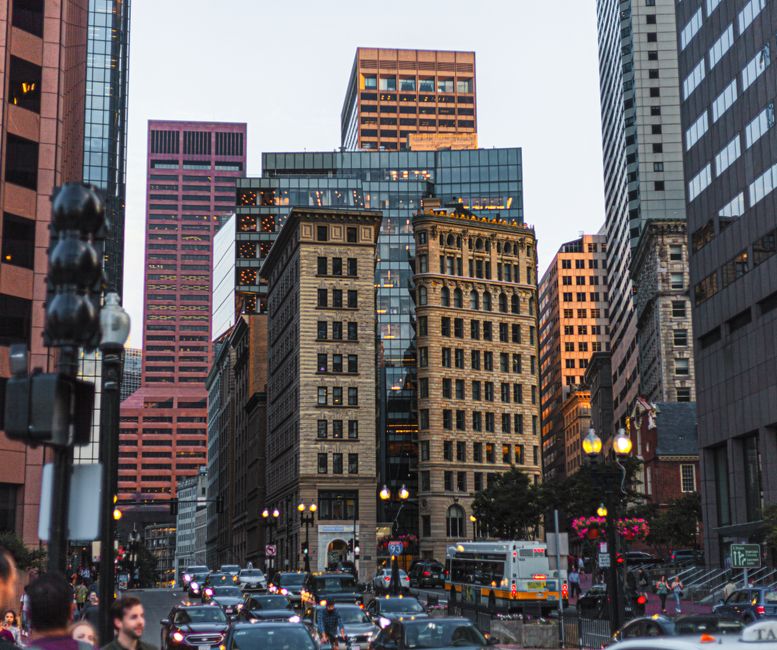
Meanwhile, Mayor Michelle Wu's office announced Friday that Boston will participate in a pilot program testing congestion pricing on downtown streets. The initiative, launching in September, will charge vehicles $5 to enter the core business district between 7 a.m. and 10 p.m. weekdays—a move aimed at reducing traffic and funding transit improvements. Early projections suggest the program could generate $45 million annually for the MBTA.
The week also saw the School Committee approve a $1.67 billion budget earmarking $23 million for school facility repairs, though many aging buildings across Boston remain in poor condition. Boston Public Schools serve roughly 50,000 students across 125 schools.
Separately, the Parks and Recreation Department announced expanded summer programming at 60 city parks, including free concerts at the Hatch Shell on the Esplanade and youth sports clinics in Millennium Park and Christopher Columbus Park.
Looking ahead, City Council will convene July 8 for a special session addressing property tax assessments—a perennial flashpoint for homeowners across neighbourhoods like Jamaica Plain, West Roxbury, and Beacon Hill, where values have surged amid regional demand.
This article was compiled by AI and screened before publishing. See our editorial standards.