Boston's Green Future Hinges on What Residents Actually Want
As the city pursues ambitious climate goals, community members from Dorchester to the waterfront are demanding a seat at the table.
As the city pursues ambitious climate goals, community members from Dorchester to the waterfront are demanding a seat at the table.
When Boston announced its plan to achieve net-zero emissions by 2050 last year, environmental advocates celebrated. But in neighborhoods like Dorchester and Roxbury—which have historically borne the brunt of industrial pollution and highway emissions—residents say the city's sustainability initiatives risk repeating old patterns of exclusion.
"We've heard a lot of promises," says Maria Chen, director of community outreach at the Dorchester Bay City Church, which sits adjacent to the Neponset River corridor. "But when decisions get made about green infrastructure or zoning changes, do they actually talk to us first? Not always."
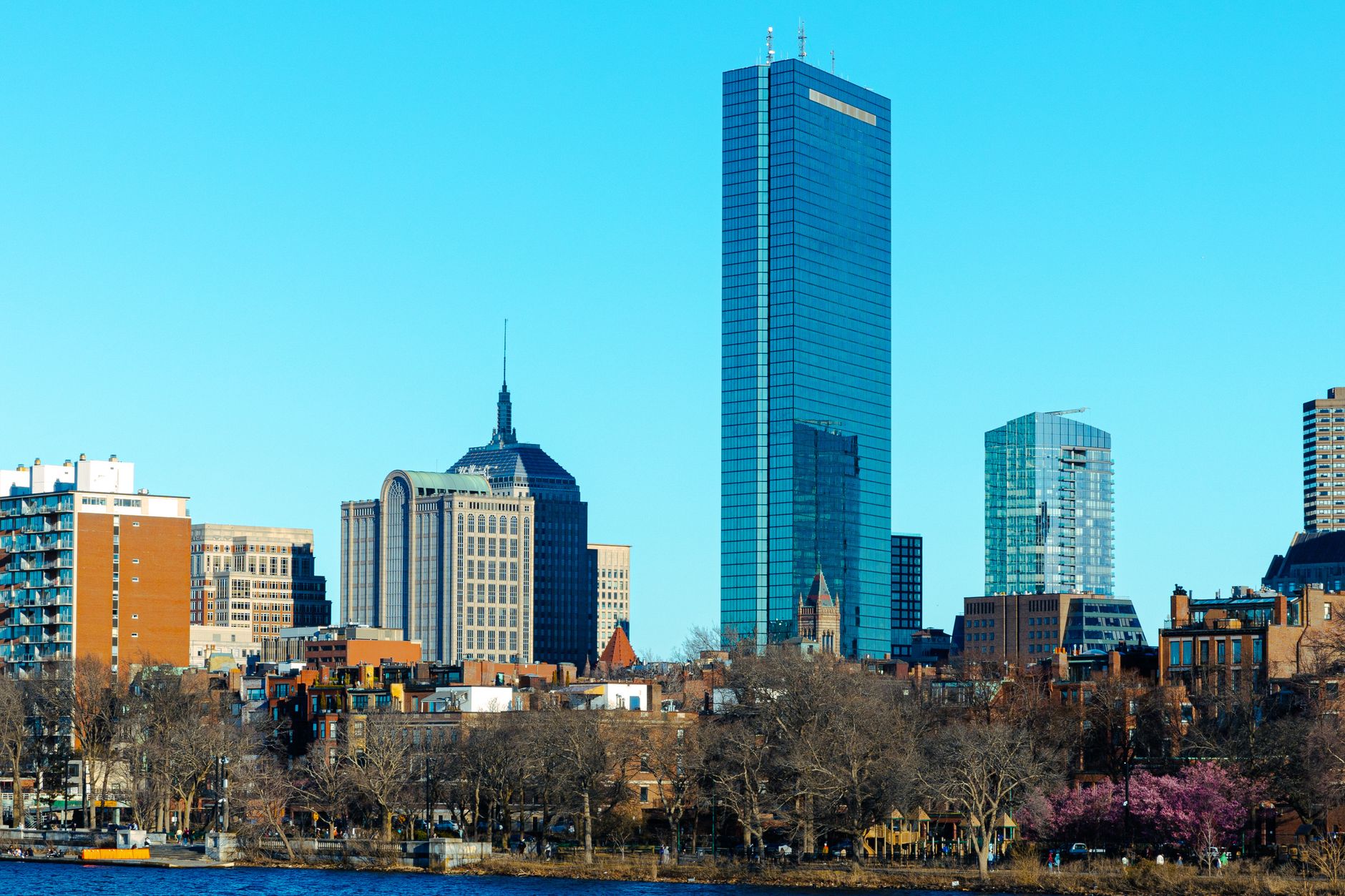
The tension emerged starkly during recent city council debates over the waterfront's $50 million climate resilience project. While planners highlighted flood barriers and restored wetlands near Atlantic Avenue, residents from nearby Eastie pointed out that rising rents often follow green improvements. Property values around Brooklyn Bridge Park in New York jumped 15–30 percent within five years of its redevelopment—a cautionary tale for Boston.
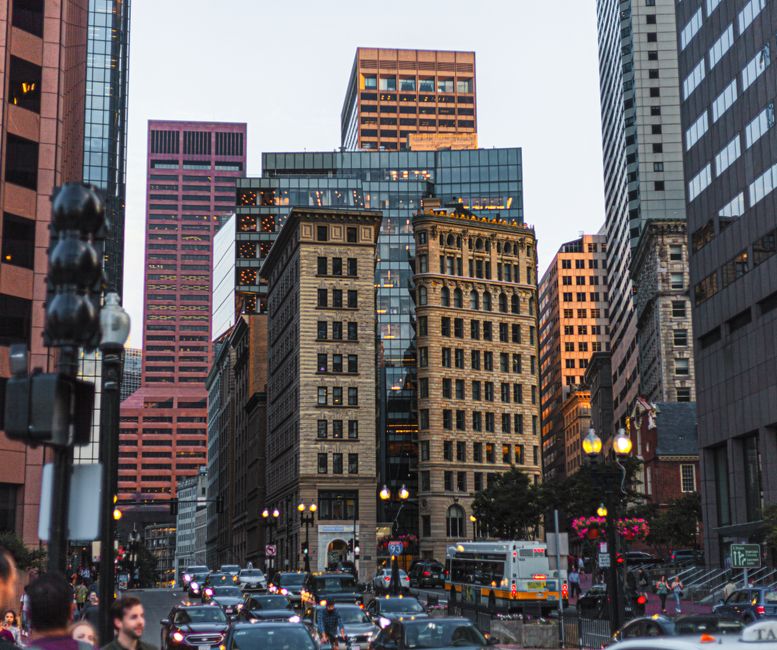
At the Mattapan Community Development Corporation, organizers are pushing back. They've launched listening sessions across neighborhoods, collecting feedback on everything from rooftop gardens to transit-oriented development. "Sustainability can't be something done to us," explained one longtime resident attending a recent gathering on Blue Hill Avenue. "It has to be something we build together."
The Boston Parks and Recreation Department's $10 million initiative to expand tree canopy coverage—targeting a 35 percent increase by 2035—offers a case study. In lower-income neighborhoods where heat-related illness rates run 40 percent higher than wealthier areas, shade trees could literally save lives. Yet implementation requires community buy-in; residents must agree to have trees planted on their blocks.
At the Jamaica Plain New Economy Network, organizers emphasize that sustainability must address economic justice. "When we talk about solar panels and electric vehicles, we're often talking about things homeowners can afford," noted a community liaison. "What about renters on Melnea Cass Boulevard earning $30,000 a year?"
City officials acknowledge the feedback. The Office of Environment and Energy has begun embedding community liaisons in underserved neighborhoods, creating clearer pathways for residents to shape projects. A newly launched Green Equity Fund aims to ensure that 50 percent of climate investment benefits low-income communities.
But for many Bostonians, talk remains cheap. Real change means power-sharing—and residents increasingly insist on it.
This article was compiled by AI and screened before publishing. See our editorial standards.
How does this story make you feel?
Spread the word
About this article
Published by The Daily Boston
Daily brief
Free, in your inbox before 7am. Weekdays.
More in News