Roxbury residents demand action as vacant storefronts plague Washington Street corridor
Community members say neglected properties are fueling disinvestment and calling on city officials to enforce accountability measures.
Community members say neglected properties are fueling disinvestment and calling on city officials to enforce accountability measures.
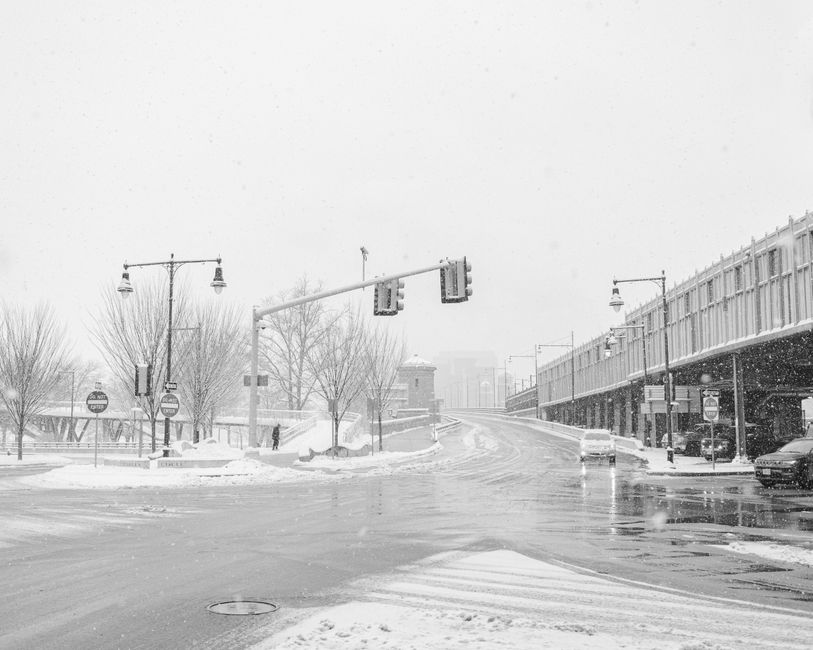
For years, the stretch of Washington Street between Melnea Cass Boulevard and Warren Street has served as the commercial heart of Roxbury. But today, residents walking past shuttered storefronts and boarded-up windows say the neighborhood's vitality is draining away—and they're determined to be heard.
According to data from the Boston Planning & Development Agency, approximately 18 percent of ground-floor commercial spaces along major Roxbury corridors sat vacant as of early 2026, compared to the citywide average of 8 percent. For longtime residents and business owners, the consequences are visible daily.
"These empty buildings attract crime, create unsafe conditions, and send a message that our neighborhood doesn't matter," said Maria Santos, who has lived on Highland Street for 34 years and recently helped organize a petition signed by over 400 community members. "We're not asking for charity—we're asking for basic accountability from landlords and the city."
The concerns extend beyond aesthetics. Small business owners report struggling to compete, with foot traffic down significantly. Jose Martinez, who operates a family-owned restaurant near the Dudley Street intersection, noted that declining street activity has affected his customer base. "People don't want to shop or dine where it looks abandoned," he explained.
Community organizations are stepping in where they say the city has fallen short. The Roxbury Alliance for Community Control and the Dudley Street Neighborhood Initiative have launched initiatives pressuring absentee landlords to either activate their properties or face community-led campaigns. The Massachusetts Community and Banking Council has also weighed in, urging the city to strengthen vacant property ordinances and consider increased tax penalties for prolonged vacancies.
City officials have acknowledged the challenge. The Boston Planning Department confirmed it is reviewing enforcement mechanisms and exploring partnerships with community development corporations to incentivize rapid reactivation of vacant spaces. Several proposals under consideration include expedited permitting for new businesses and tax incentives for landlords who lease to minority-owned enterprises.
Residents emphasize they want solutions that prioritize community benefit, not gentrification-driven development. "We've seen displacement happen in other neighborhoods," said Angela Chen, an organizer with the Jamaica Plain-based Tenants and Workers United. "The conversation about revitalization has to center equity from the start."
As summer temperatures rise and the 2026 budget cycle approaches, Roxbury residents are preparing testimony for city council hearings in July. For many, this moment represents a critical opportunity to reshape their neighborhood's future on their own terms.
This article was compiled by AI and screened before publishing. See our editorial standards.
How does this story make you feel?
Spread the word
About this article
Published by The Daily Boston
Daily brief
Free, in your inbox before 7am. Weekdays.
More in News