By The Numbers: What Boston's Climate Goals Really Demand
As the city charts an ambitious path toward carbon neutrality, the data reveals just how massive the transformation ahead truly is.
As the city charts an ambitious path toward carbon neutrality, the data reveals just how massive the transformation ahead truly is.
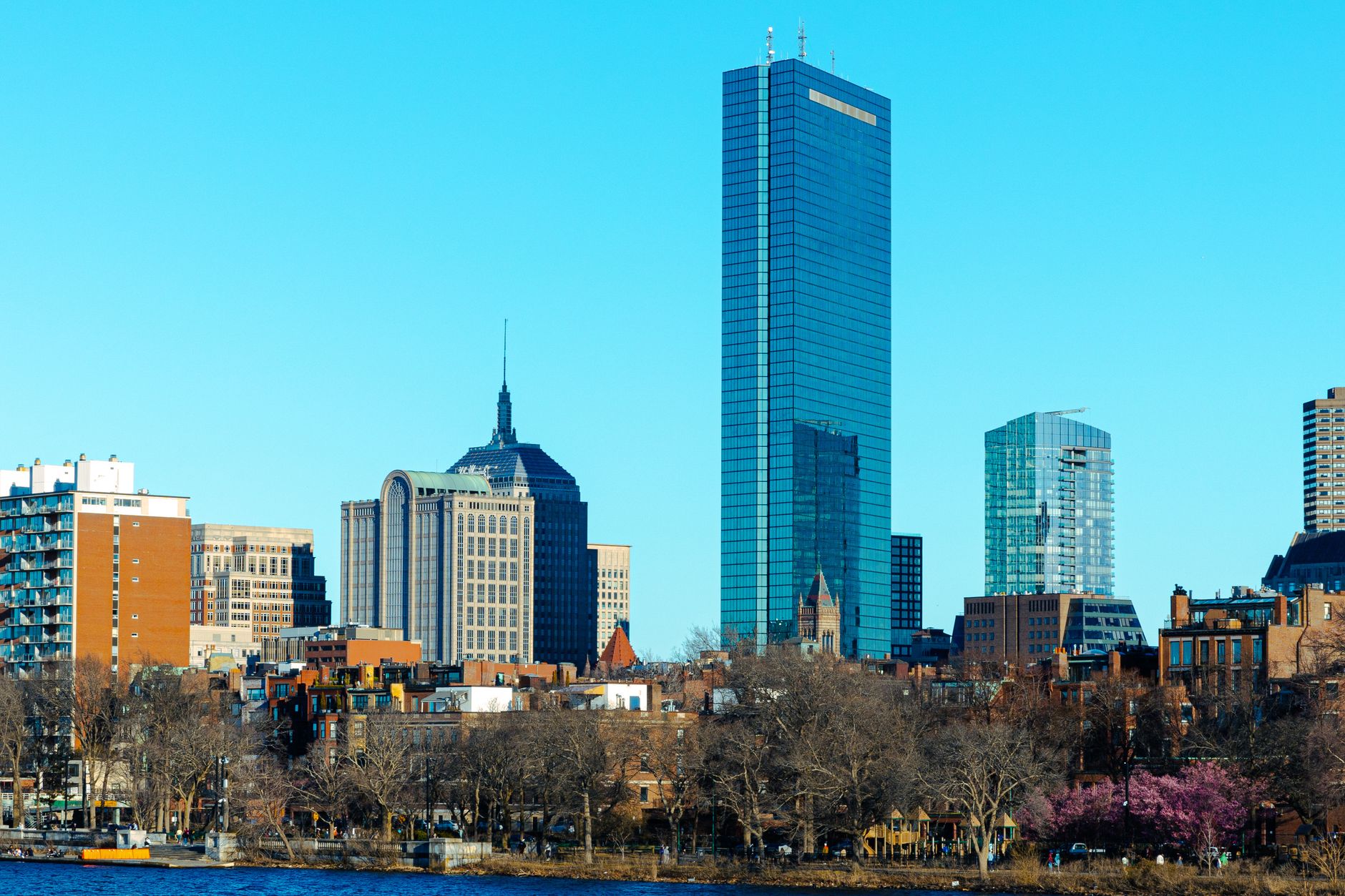
Boston's commitment to becoming carbon-neutral by 2050 sounds inspirational until you examine the actual figures. The math is both sobering and illuminating: the city currently produces roughly 10.5 million metric tons of greenhouse gas emissions annually, according to the most recent citywide emissions inventory. To meet its climate pledge, Boston needs to reduce that number by nearly 100 percent in the next quarter-century.
The building sector accounts for 74 percent of that total—a staggering 7.8 million metric tons—making retrofit projects across Beacon Hill, the Back Bay, and downtown neighborhoods the critical battleground. Heating oil still warms approximately 45,000 buildings in the city, according to the Mayor's Office of Climate and Sustainability. Converting those systems to electric heat pumps costs $15,000 to $35,000 per residential unit, translating to a potential billion-dollar initiative just for heating infrastructure.
Transportation represents the second-largest emissions source at 22 percent, roughly 2.3 million metric tons annually. The MBTA's Green Line Extension and bus network expansion aim to shift commuters away from personal vehicles, but current ridership data tells a complicated story. Pre-pandemic averages hovered around 400 million annual trips; recent 2026 figures show recovery to approximately 340 million trips, still 15 percent below historical norms despite aggressive service improvements.
Solar installation has accelerated meaningfully. In 2015, Boston had approximately 2.2 megawatts of installed solar capacity. Today, that figure exceeds 34 megawatts, with community solar projects in Dorchester and Roxbury accounting for roughly 8.5 megawatts. Yet this represents just 4 percent of the city's total electricity consumption, leaving substantial room for expansion.
Water usage reveals another numerical challenge. Boston residents consume roughly 62 gallons per capita daily, compared to a national average of 82 gallons. While the city performs well on conservation, the aging infrastructure across Somerville and Cambridge loses approximately 11 percent of treated water through leaks before reaching customers—a figure that translates to roughly 13 million gallons daily.
City officials estimate achieving the 2050 carbon-neutral goal requires investing $2.2 billion in infrastructure upgrades, according to preliminary climate action planning documents. That breaks down to roughly $88 million annually—a figure dwarfed by Massachusetts' total state budget but substantial enough to require creative financing and sustained political commitment.
These numbers frame an essential reality: Boston's climate ambitions demand not just policy shifts but systemic economic transformation affecting every neighborhood and thousands of buildings. The path forward exists in the data; executing it remains the defining challenge.
This article was compiled by AI and screened before publishing. See our editorial standards.
How does this story make you feel?
Spread the word
About this article
Published by The Daily Boston
Daily brief
Free, in your inbox before 7am. Weekdays.
More in News