By the Numbers: What Boston's New Housing Mandate Really Means for Your Neighbourhood
City Council votes to require 15% affordable units in new developments—here's how the numbers break down across eight neighbourhoods.
City Council votes to require 15% affordable units in new developments—here's how the numbers break down across eight neighbourhoods.
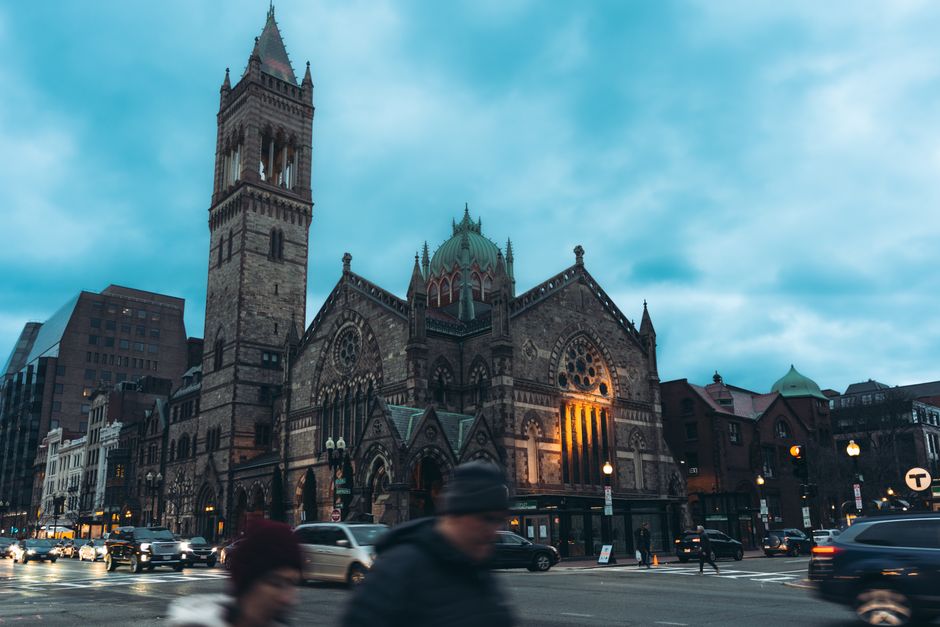
Boston's City Council voted 11-2 last week to approve a mandatory inclusionary zoning policy that will reshape the city's housing landscape for the next decade. But beyond the headlines, the real story lies in the data: what 15% affordability actually means for developments from Back Bay to Dorchester, and whether the numbers add up to real change.
The policy applies to any new residential project exceeding 10 units or 25,000 square feet. According to the city's Planning and Development Agency, this captures approximately 34 active projects currently in permitting or construction phases across Boston, totaling roughly 8,400 units. If the mandate had been in place today, developers would be required to set aside approximately 1,260 units at below-market rates.
The financial mechanics tell a revealing story. A two-bedroom unit in a new Seaport District development currently rents for an average of $3,850 monthly, according to commercial real estate firm JLL. Under the new policy, 15% would need to rent at roughly $2,200—a $1,650 gap per unit annually. For a 200-unit building, that's $4.95 million in foregone revenue over ten years, which the city will offset through property tax breaks and development incentives.
Across neighbourhoods, the impact varies dramatically. In Back Bay and the Financial District, where median rents exceed $3,600, the affordability gap creates steeper developer losses. Conversely, in Jamaica Plain and Roxbury, where market-rate units average $2,400 monthly, the 15% requirement generates smaller financial burdens—yet serves neighborhoods where 42% of households already spend over 30% of income on rent, according to Census data.
The city projects the policy will generate 1,260 affordable units over five years, assuming current development trajectories hold. That's meaningful against Boston's deficit: the city has a documented shortage of approximately 40,000 units affordable to households earning under 80% of area median income ($68,000 for a family of four).
Not everyone embraces the numbers. The Greater Boston Real Estate Board warned that the mandate could reduce new housing starts by 8-12%, citing development economics. Conversely, housing advocates argue the city has left $180 million in available federal tax credits largely untapped, suggesting political will—not developer capacity—has constrained affordable housing production.
City officials promise quarterly reporting on units produced, affordability rates maintained, and neighbourhood-level outcomes. Those statistics will ultimately determine whether this policy represents transformation or mere political theater.
This article was compiled by AI and screened before publishing. See our editorial standards.
How does this story make you feel?
Spread the word
About this article
Published by The Daily Boston
Daily brief
Free, in your inbox before 7am. Weekdays.
More in News