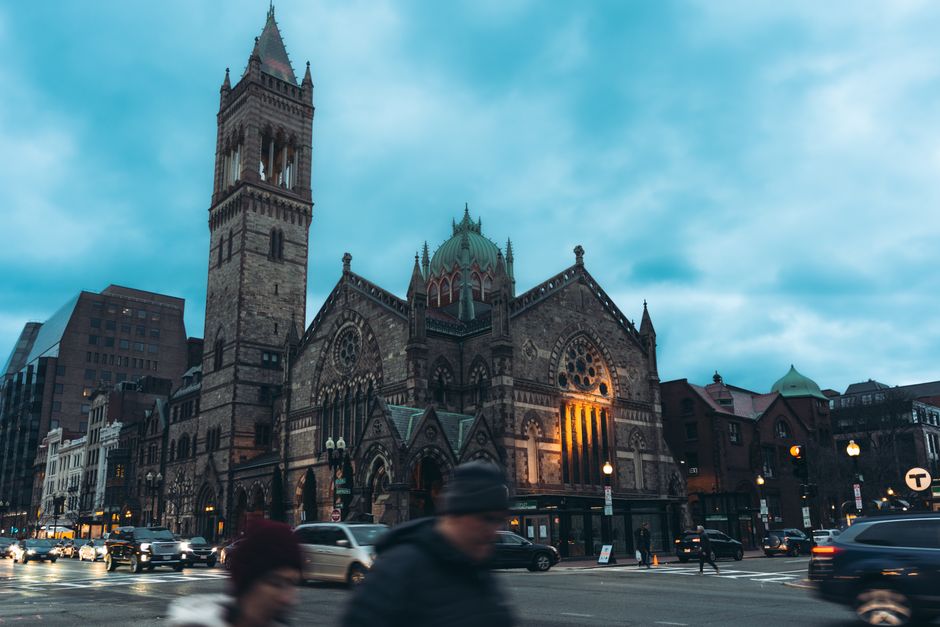
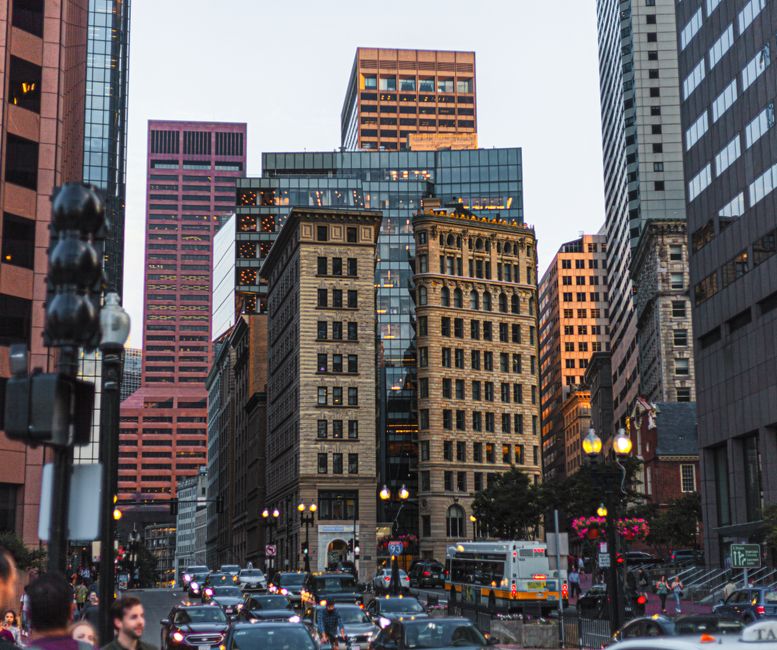
On Hanover Street in the North End, where foot traffic rarely slows, Maria Rodríguez pauses outside Casa Latina, a community center that has become a lifeline for Boston's growing Venezuelan population. She arrived in Massachusetts eighteen months ago with two children and now works two part-time jobs while sharing a three-bedroom apartment in Jamaica Plain with five other families—a monthly rent of $2,400 split ways that still leaves many scrambling.
"Boston is expensive, but it's safer," Rodríguez says, reflecting the complicated calculus many Venezuelan migrants face. According to the Massachusetts Immigrant and Refugee Advocacy Coalition, Venezuelan arrivals to the state have increased 47 percent since 2024, straining both housing markets and social services across the region.
The recent seismic activity in Venezuela and ongoing political instability have amplified migration pressures just as Boston's immigrant communities grapple with an affordable housing shortage. The median rent for a one-bedroom apartment in neighborhoods like East Boston and Roxbury—traditional entry points for new arrivals—has climbed to $1,850, according to recent data from Zillow.
At the Jamaica Plain library's community room last week, a dozen Venezuelan immigrants gathered to discuss their experiences. Many spoke of the impossible choice between sending remittances home to relatives and covering basic expenses here. One participant, a former accountant now working in food service, described diverting $300 monthly to support an elderly mother in Caracas, even as his own family navigates Boston's competitive rental market.
Organizations like Immigrant Families Together and the International Institute of New England report increased demand for their services. The International Institute alone has seen a 34 percent uptick in requests for housing navigation assistance over the past year.
Yet community members also express resilience. Networks have emerged—informal job boards on WhatsApp, shared childcare arrangements, pooled resources for security deposits. Small Venezuelan restaurants have sprouted along Centre Street in Jamaica Plain, creating both employment and cultural anchoring points for the growing diaspora.
"People say we're a burden, but we work," Rodríguez notes. She now helps translate at a nearby community health center, volunteer work alongside her paid jobs. "We want to stay. We want to build here."
As Boston's political leaders grapple with how to address migration-related housing pressures, these voices remind policymakers that behind statistics are families navigating profound displacement—both literal and emotional—while contributing to their adopted city's fabric.
This article was compiled by AI from the sources linked above and screened before publishing. See our editorial standards.