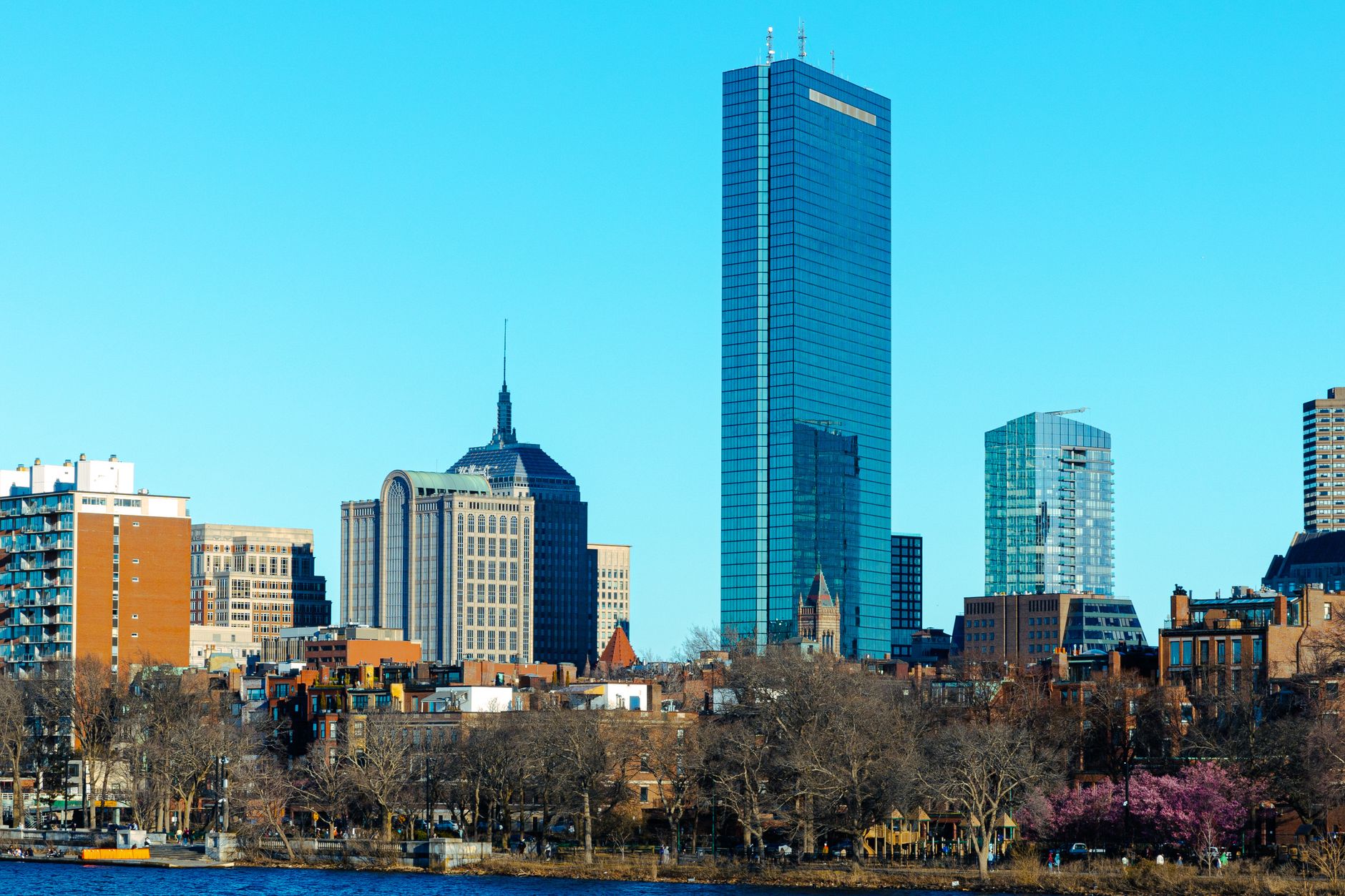
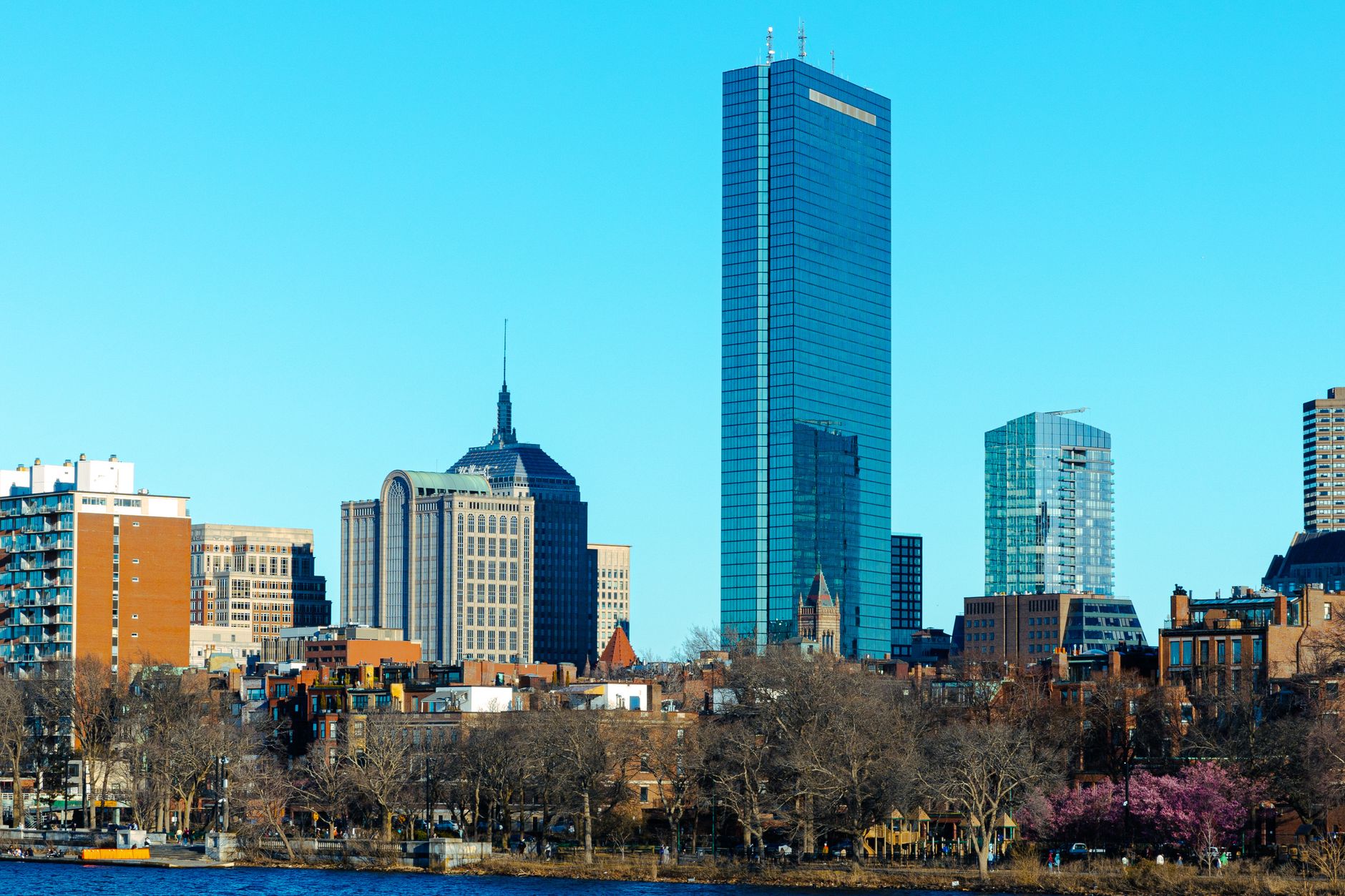
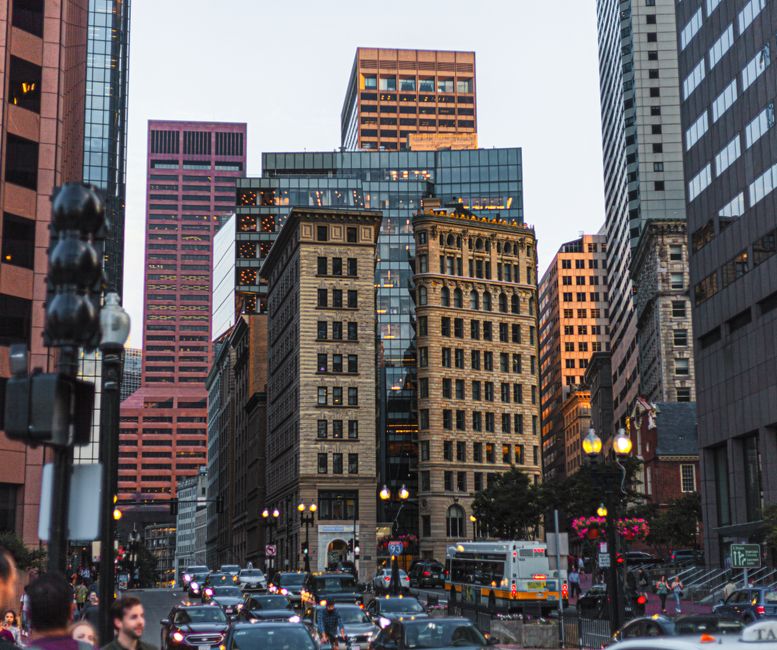
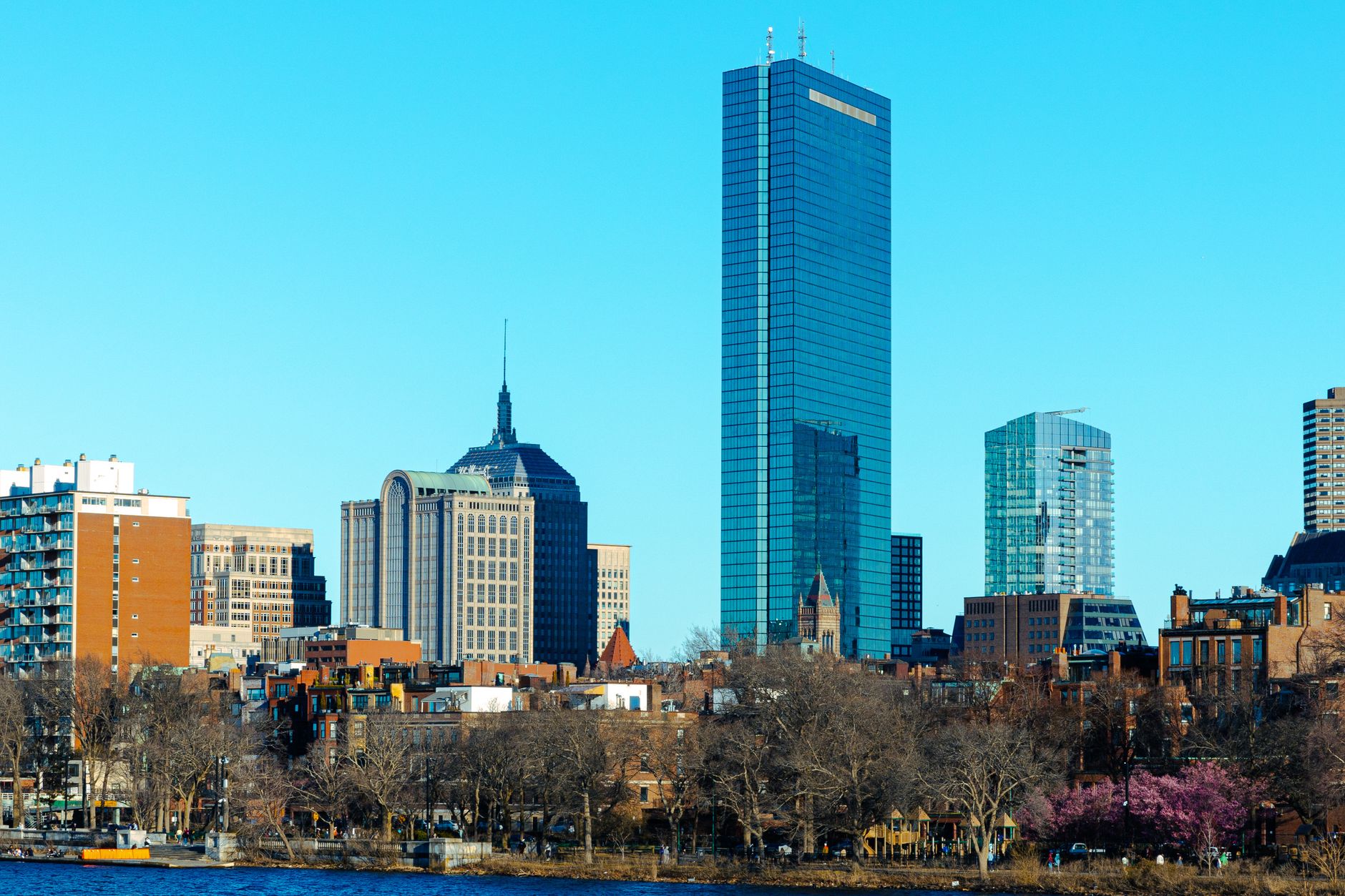
Boston's infrastructure ambitions are taking shape, but a glance at how peer cities are tackling similar challenges reveals a complicated picture: the Hub is moving faster on some fronts, lagging on others.
The Massachusetts Bay Transportation Authority's Green Line extension to Medford, finally completed in 2022 after years of delays, represented a rare victory. Yet that project's trajectory—originally budgeted at $285 million and ultimately costing nearly $380 million—mirrors struggles seen in peer cities. Toronto's Eglinton Crosstown, planned to open in phases through 2024, similarly ballooned from an initial $15.6 billion estimate and now faces ongoing delays. London's Elizabeth Line, meanwhile, consumed £19 billion and took nearly two decades from conception to partial opening.
Where Boston shows competitive strength is in its waterfront revival. The ongoing improvements to the Rose Kennedy Greenway and the recently completed Dewey Square renovations have created seamless connections between Downtown Crossing and the Harborwalk—something cities like Vancouver and Copenhagen have achieved through coordinated public-private partnerships. The economic activation around these spaces has driven commercial interest comparable to Barcelona's post-Olympic waterfront transformation.
The real test lies ahead. The MBTA's proposed Red and Orange line improvements, aimed at reducing crowding and modernizing infrastructure, carry a $6 billion price tag. By contrast, Paris has spent roughly €32 billion over the past decade on the Île-de-France transit network, while Singapore invested aggressively in expanding its MRT system despite being a smaller metropolitan area. Boston's per-capita transit spending remains modest internationally—around $95 annually per resident compared to San Francisco's $180 and Toronto's $165.
Road infrastructure tells another story. Boston's ongoing struggle with the I-90 and Route 1 corridors stands in contrast to cities like Amsterdam and Copenhagen, which have deliberately restricted car access while building cycling infrastructure at scale. Boston's recent adoption of a citywide bicycle master plan suggests a philosophical shift, yet implementation across neighborhoods from Back Bay to Jamaica Plain remains uneven.
Traffic congestion costs Boston approximately $5.3 billion annually in lost productivity, according to recent analysis—comparable to costs cited in congested global hubs like London and Singapore. Yet unlike those cities, Boston hasn't embraced congestion pricing, a revenue-generating approach now operational in London, Stockholm, and Singapore.
The question isn't whether Boston can build—it's whether the city will commit to the sustained investment and political will that cities like Paris, London, and Toronto have demonstrated, even when projects exceed budgets and timelines.
This article was compiled by AI and screened before publishing. See our editorial standards.