Boston's Climate Goals by the Numbers: What the Data Reveals About Our Sustainability Progress
As the city races toward net-zero emissions by 2050, newly released metrics show where we're winning—and where ambitious targets are falling short.
As the city races toward net-zero emissions by 2050, newly released metrics show where we're winning—and where ambitious targets are falling short.
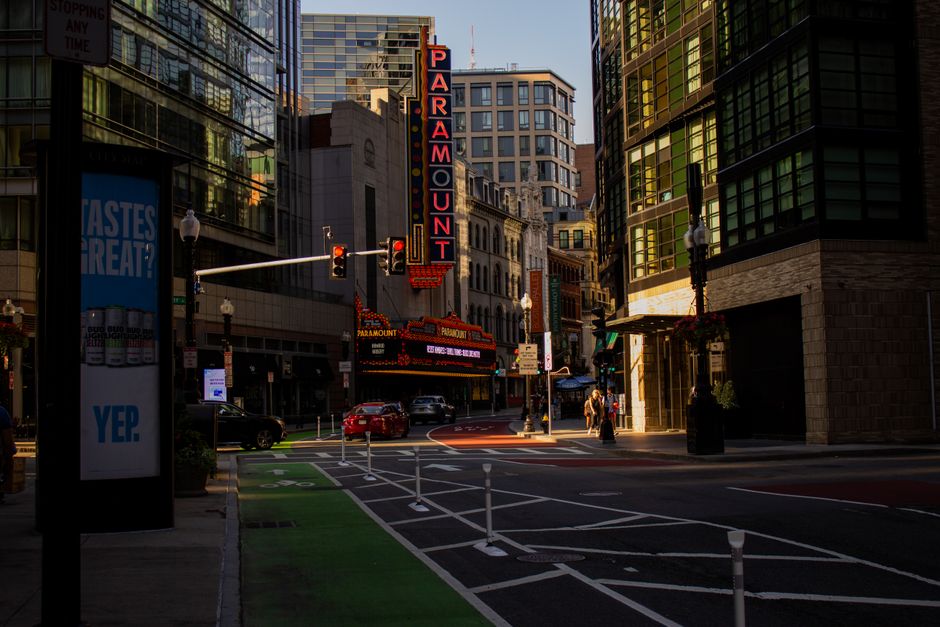
Boston's sustainability ambitions rest on a foundation of data, and the numbers tell a complicated story of progress tangled with persistent challenges.
The city's most recent climate action report, released this spring, reveals that municipal emissions fell 13 percent between 2015 and 2023—landing Boston at 2.7 million metric tons of CO2 equivalent annually. While the trajectory points in the right direction, city planners acknowledge the pace must nearly triple to meet the 2050 net-zero target. At current rates, Boston would need to reduce emissions by roughly 8 percent yearly for the next quarter-century, compared to the 1.6 percent average of the past eight years.
The building sector dominates the narrative. Commercial and residential properties account for 72 percent of citywide emissions—a figure that has driven the focus on retrofitting aging structures across Beacon Hill, Back Bay, and the Seaport. The city's Building Energy Reporting and Disclosure Ordinance has now tracked more than 4,500 buildings since 2014. Properties larger than 25,000 square feet face mandatory energy audits, revealing that the median building consumes 15.2 kilowatt-hours per square foot annually, well above the regional average of 12.1 kWh/sq ft.
Transportation presents the second front. Vehicle miles traveled within Boston totaled 2.1 billion in 2024, up 4 percent from 2022—a reversal that concerns planners attempting to shift commute patterns. The MBTA's ridership recovered to 96 percent of pre-pandemic levels by early 2026, yet personal vehicle use climbs steadily. Electric vehicle registrations have surged to 8.7 percent of the city's registered fleet, compared to 2.1 percent five years ago, though this remains below the statewide average of 11.3 percent.
Water consumption figures add nuance to the sustainability picture. Boston Water and Sewer Commission data shows per-capita daily consumption at 112 gallons—a 22-percent decrease since 2010, partly attributed to efficiency mandates and aging infrastructure replacement programs costing $180 million annually.
The numbers reveal both momentum and friction. Transit-oriented development near Green Line and Red Line stations has attracted 3,400 new residential units since 2015, yet housing costs remain prohibitive for the low-income households most vulnerable to climate impacts. Renewable energy now comprises 29 percent of Boston's grid mix, climbing from 8 percent in 2015—though meeting 2030 targets requires another 15-percentage-point increase.
These statistics underscore a reality: sustainability requires systemic change measured in decades, not quarters. Boston's data-driven approach provides clarity on progress, even if the path forward demands acceleration most observers believe will test the city's commitment.
This article was compiled by AI and screened before publishing. See our editorial standards.
How does this story make you feel?
Spread the word
About this article
Published by The Daily Boston
Daily brief
Free, in your inbox before 7am. Weekdays.
More in News