Roxbury's New Community Land Trust Could Reshape Housing Access for Working Families
As Boston rents continue climbing, a neighbourhood-led initiative aims to permanently preserve affordability and keep longtime residents from being priced out.
As Boston rents continue climbing, a neighbourhood-led initiative aims to permanently preserve affordability and keep longtime residents from being priced out.
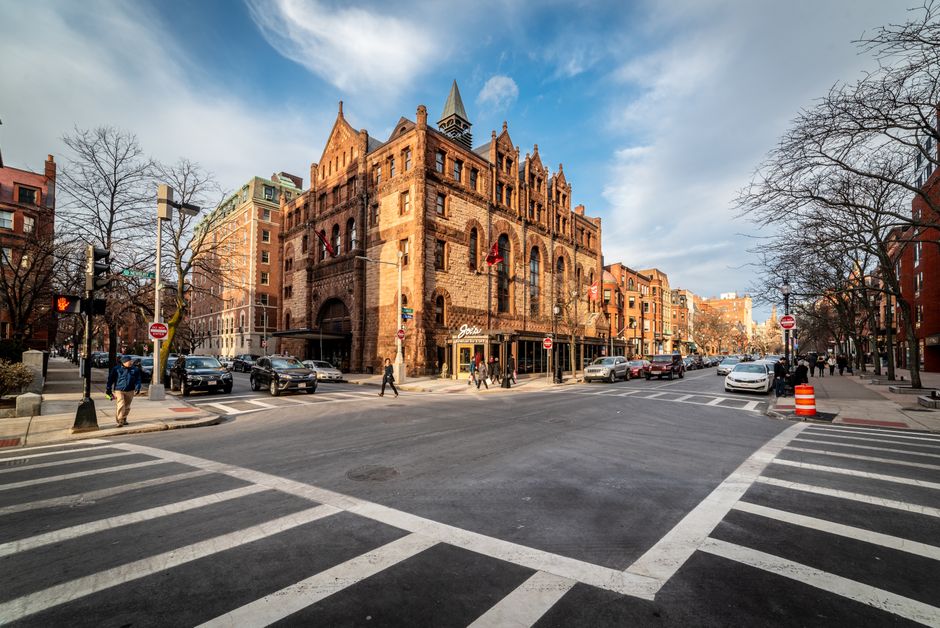
For nearly two decades, Maria Santos has rented a modest two-bedroom on Dudley Street in Roxbury for $1,650 a month—a figure she watches climb each renewal cycle with mounting dread. When her landlord recently signalled plans to demolish the building for market-rate development, Santos joined dozens of her neighbours at a community meeting that would chart a different course entirely.
The Dudley Street Neighbourhood Initiative, the influential 40-year-old advocacy group, has quietly assembled land and launched what may become one of Boston's most significant community land trusts, a legal structure designed to decouple land ownership from housing costs. Early projections suggest the model could stabilise rents for up to 200 households across Roxbury and potentially serve as a template for struggling neighbourhoods citywide.
"This matters because it directly addresses displacement," says Tom Callahan, executive director of the Boston Home Center Alliance, which tracks housing trends across the city. "In Roxbury, median rents have jumped 34 percent since 2019. Without intervention, you lose the community fabric."
Community land trusts work by separating the land—held in perpetuity by a non-profit—from the buildings above it. Residents or non-profit operators own the structures but lease the ground beneath, typically paying far below market rates. The model has succeeded in neighbourhoods like Jamaica Plain, where the Nuestras Raices initiative now stewards over 50 properties.
The Dudley Street initiative's approach targets a specific gap: households earning between $35,000 and $65,000 annually—teachers, healthcare workers, service industry staff increasingly unable to afford Boston's housing market. Average one-bedroom apartments in nearby Jamaica Plain now rent for $2,100; two-bedrooms exceed $2,700.
Community meetings held along Warren Street and Columbus Avenue have drawn standing-room crowds, signalling deep appetite for alternatives. The initiative estimates that permanent affordability covenants could reduce monthly rents by 25 to 35 percent while maintaining community ownership and preventing speculative development.
City officials have pledged supportive zoning changes and potential property tax abatements. The first phase, anticipated by 2027, would stabilise approximately 30 units currently at displacement risk.
For Santos and thousands like her navigating Boston's housing crisis, the initiative represents something rarer than affordable rent: agency. In a city where neighbourhoods are increasingly defined by what residents can no longer afford, Roxbury's experiment seeks to write a different story—one where community roots run deeper than market rates.
This article was compiled by AI from the sources linked above and screened before publishing. See our editorial standards.
How does this story make you feel?
Spread the word
About this article
Published by The Daily Boston
Daily brief
Free, in your inbox before 7am. Weekdays.
More in News