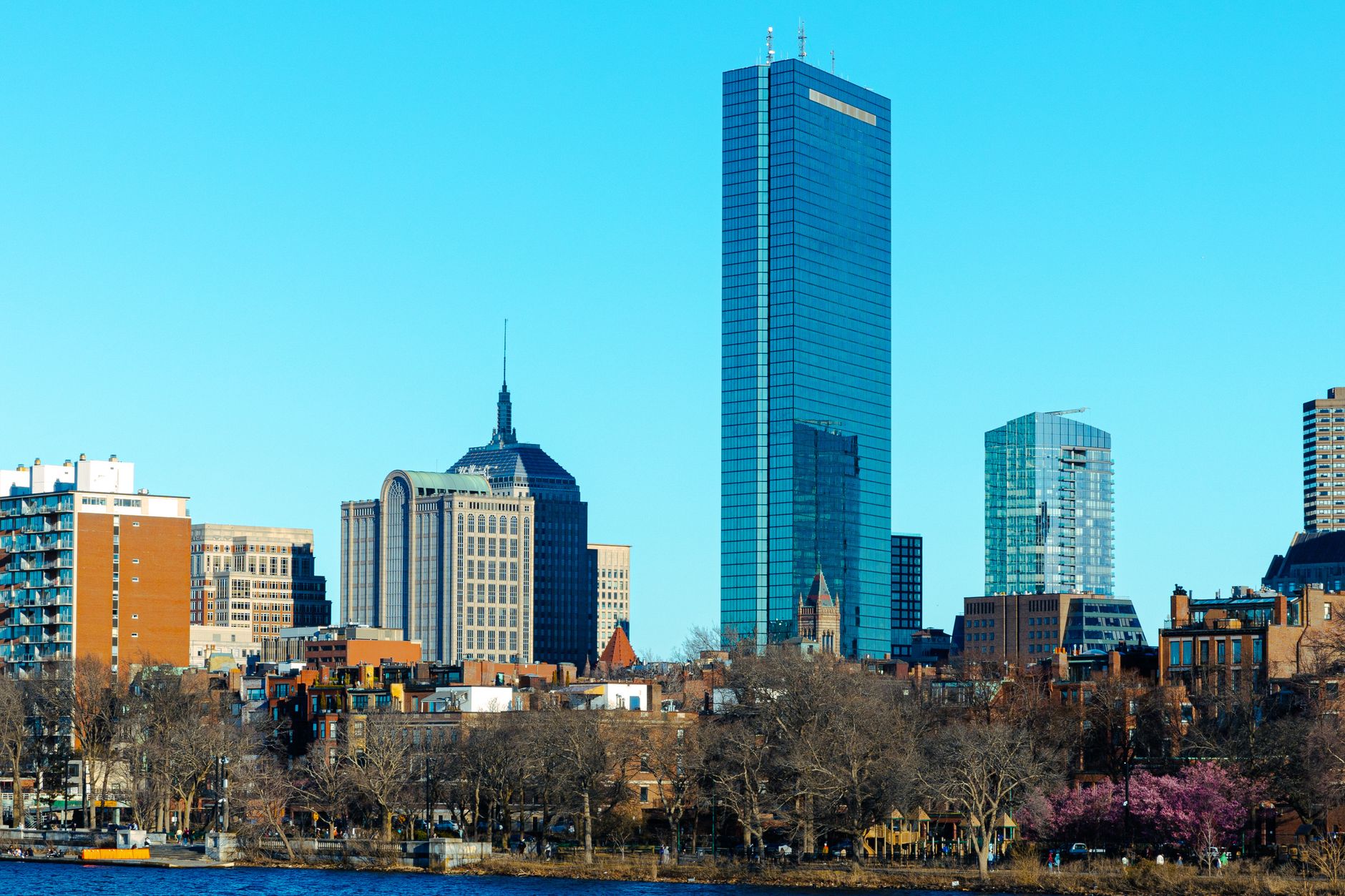
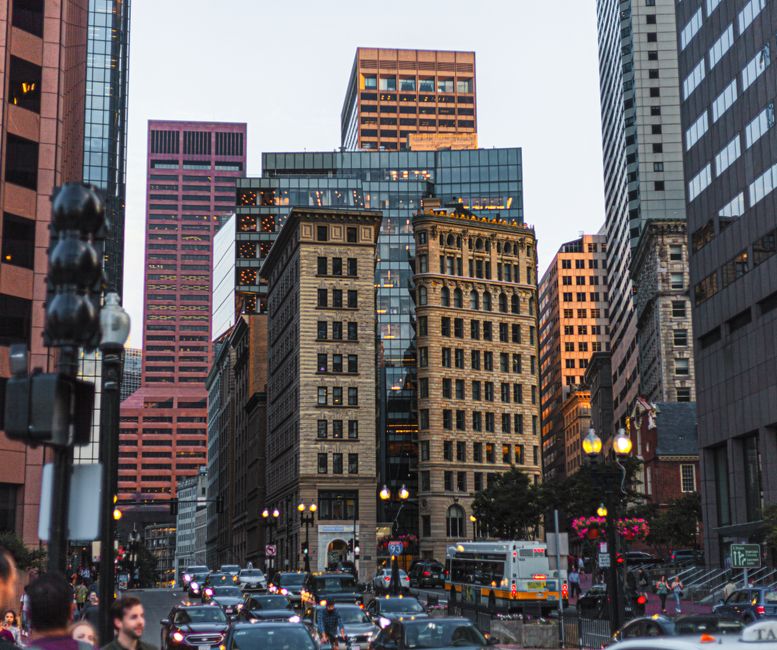
As Boston continues its push to become a carbon-neutral city by 2050, residents in Roxbury and Dorchester are demanding accountability on promises that have long felt distant from their streets. These neighbourhoods, which together account for nearly 40 percent of the city's industrial emissions, have become the testing ground for ambitious sustainability initiatives—and the lived experiences of those living here reveal both progress and persistent gaps.
The contrast is striking. While the Seaport District gleams with LEED-certified developments and electric vehicle charging stations dot Beacon Hill, residents on Dudley Street in Roxbury continue to breathe air that exceeds EPA safety standards on roughly 15 days per year. A 2024 Boston Public Health Commission report found that asthma hospitalisation rates in these two neighbourhoods run 40 percent higher than the city average.
"We hear about green roofs and renewable energy targets, but what about the trucks that idle outside our homes every morning?" said one longtime Dorchester resident, speaking on condition of anonymity due to concerns about local business relationships. The sentiment echoes through community meetings at the Roxbury Centre on Warren Street, where residents regularly press city officials on the timeline for converting the municipal fleet to electric buses and reducing freight traffic through residential areas.
The frustration is tempered by cautious optimism. The city's $2.3 billion climate adaptation initiative has begun resurfacing streets and installing green infrastructure in Roxbury's lower-income blocks—measures that residents say improve both environmental quality and neighbourhood aesthetics. The newly completed rain gardens along Blue Hill Avenue have reduced flooding incidents by 35 percent in pilot areas, according to city data.
Local organisations like Dorchester's GreenRoots are bridging the gap between city policy and street-level reality. Through community advisory boards, they've helped shape implementation timelines for solar panel installations on public housing developments and workforce training programmes in green energy. Yet funding remains constrained, and community members note that progress lags behind wealthier areas.
"The commitment is there," said one community organiser working with youth environmental advocates near Franklin Park. "But commitment without resources and real engagement feels like a promise to communities like ours that we've heard before."
As Boston's 2026 sustainability review approaches, residents are watching closely. They're not asking for perfection—they're asking for parity, transparency, and the resources needed to ensure that climate action benefits everyone, not just neighbourhoods already marked for gentrification.
This article was compiled by AI from the sources linked above and screened before publishing. See our editorial standards.