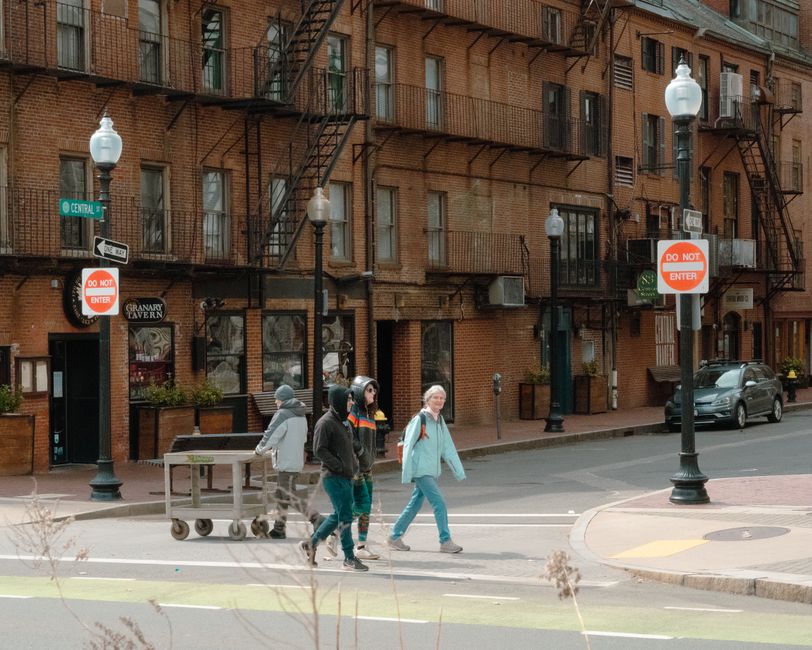
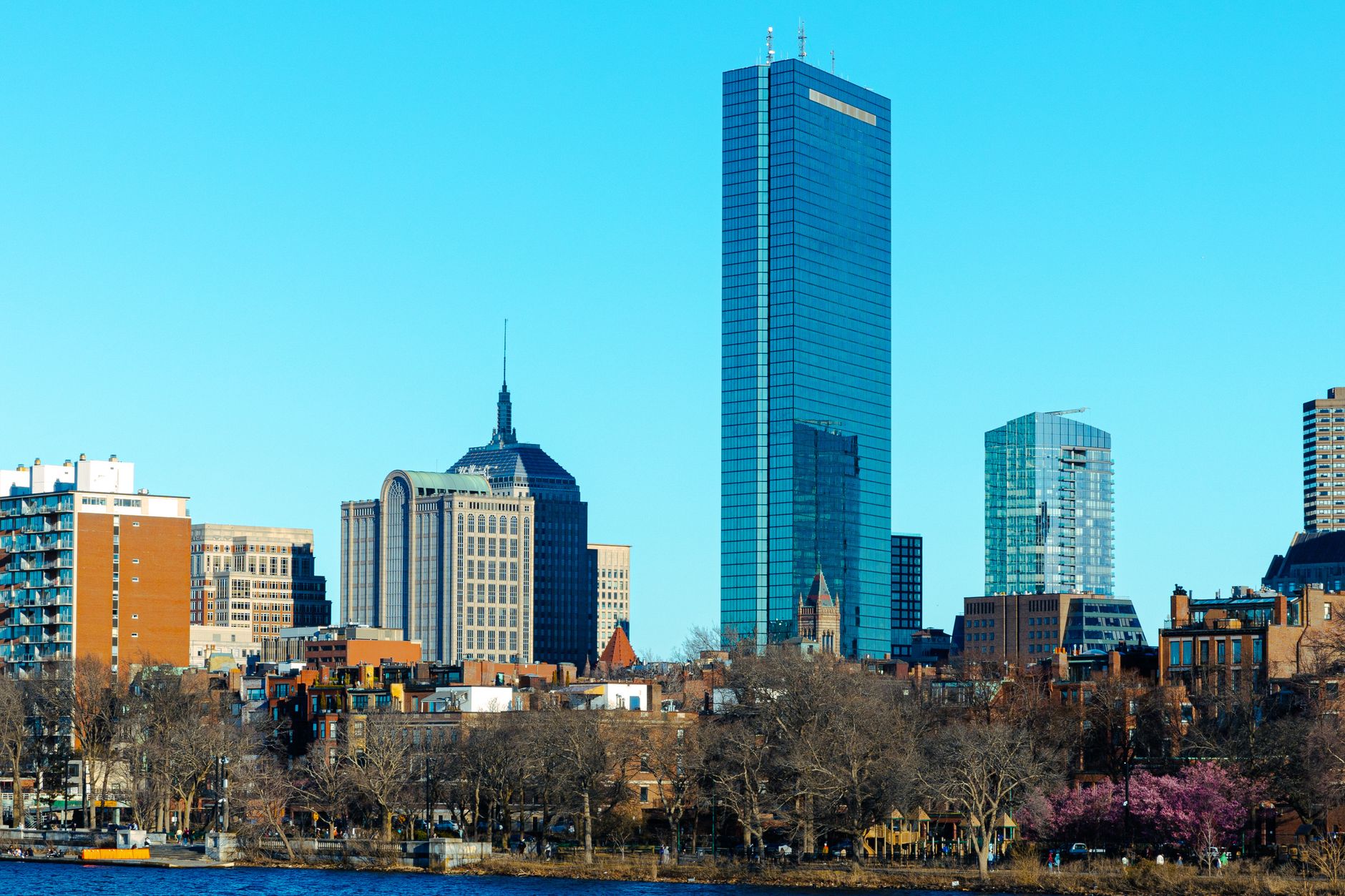
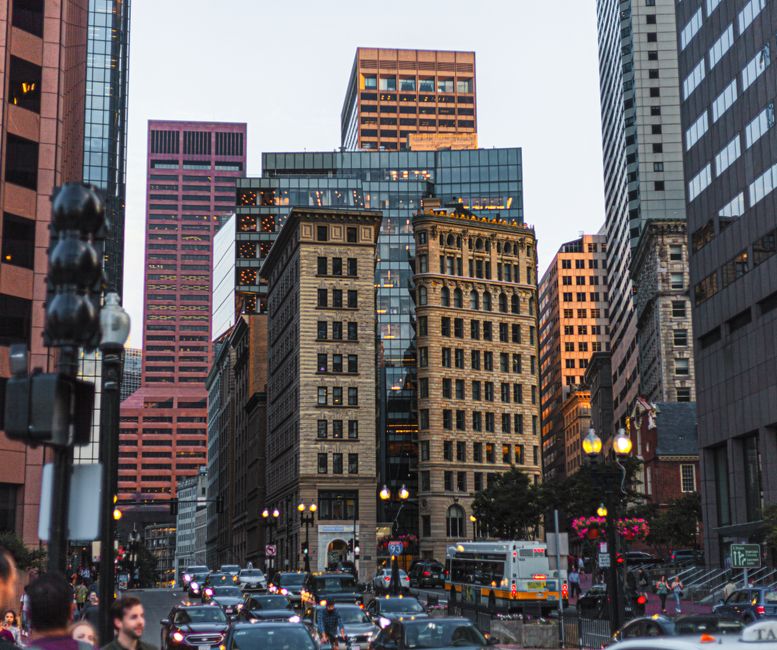
For nearly a decade, the corner lot at Dudley Street and Tremont has sat mostly empty—a gap-toothed reminder of delayed promises and deferred dreams. Now, as the Boston Planning & Development Agency prepares to vote in early July on a $8 million mixed-use project, the Roxbury neighbourhood faces a critical inflection point: seize an opportunity to build community wealth, or risk another cycle of gentrification that prices out longtime residents.
The proposed development would combine 24 affordable housing units with ground-floor commercial and community space, transforming a vacant parcel that has drawn complaints from nearby residents and business owners for years. The project, backed by a local nonprofit and private developer partnership, has been in negotiation since 2023.
But the details matter enormously. Of those 24 units, only 40 percent would be permanently deed-restricted as affordable—a figure that has divided community stakeholders. Current Boston market rents average $2,100 for a one-bedroom; the project targets units at $1,500 and below. Still, advocates worry it isn't enough.
"We've seen this story play out in other neighbourhoods," said a representative from the Dudley Street Neighborhood Initiative, the influential community organization that has shaped Roxbury's development for three decades. "One project can be a catalyst. But if it's not structured right, it can be the first domino."
The timing amplifies the stakes. Roxbury's median home value has risen 34 percent since 2020, according to recent data from the Massachusetts Association of Realtors. While that signals neighbourhood strength, it also quickens displacement fears. Three family-owned businesses on the block have already closed in the past two years, citing rising rents.
Community meetings resume this week, with the city council expected to weigh in before the agency's vote. The developer has signalled openness to increasing affordable units if financing can be restructured, though that could delay construction by six months.
The broader question looms: Can Roxbury grow without changing fundamentally? The neighbourhood's identity—rooted in African American cultural institutions, immigrant entrepreneurship, and hard-won community power—remains fragile even as demand for Boston housing reaches fever pitch.
Next week's decision won't resolve that tension. But it will signal whether the city and community can craft development that builds rather than erodes the foundation beneath.
This article was compiled by AI and screened before publishing. See our editorial standards.