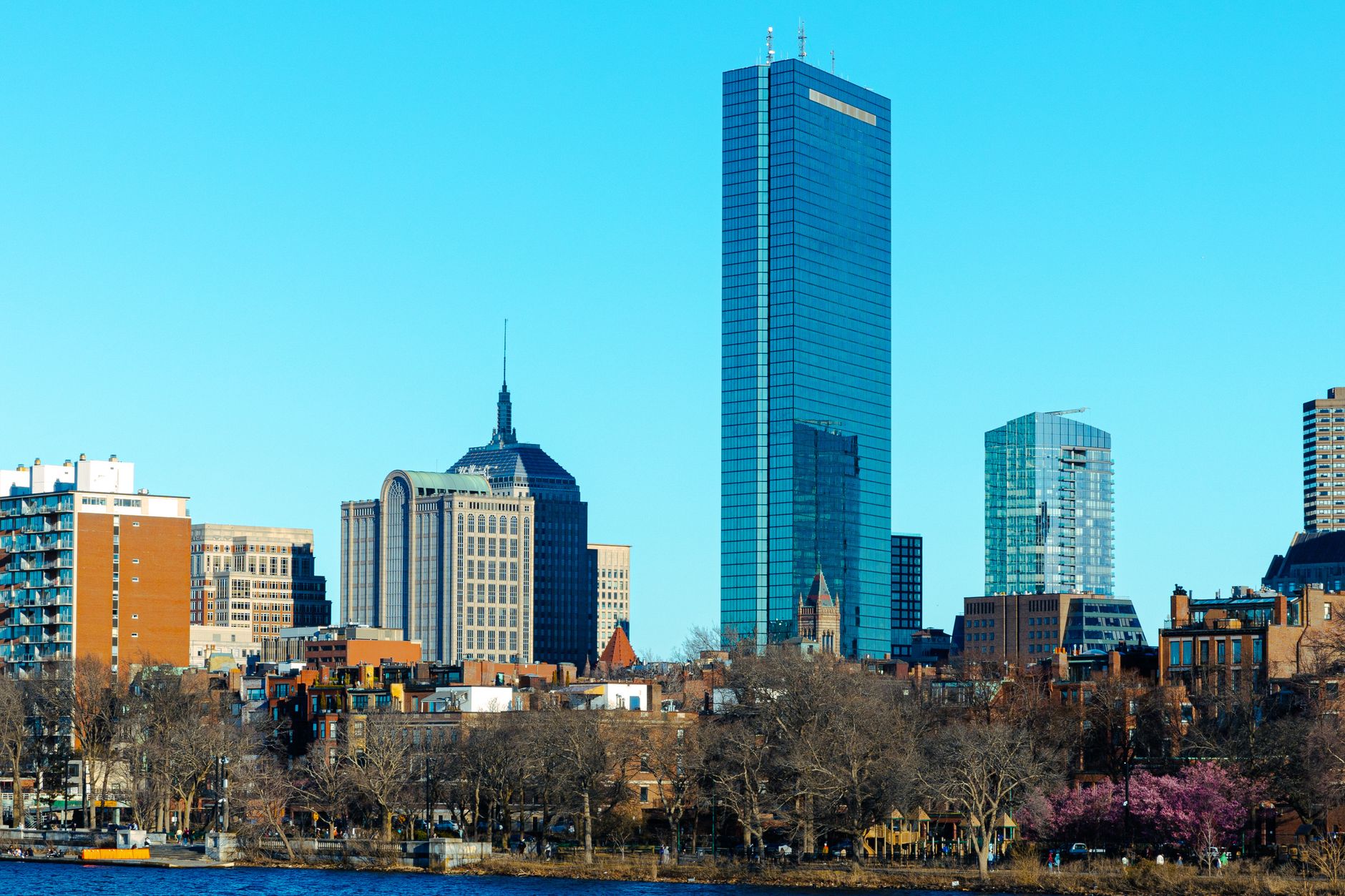
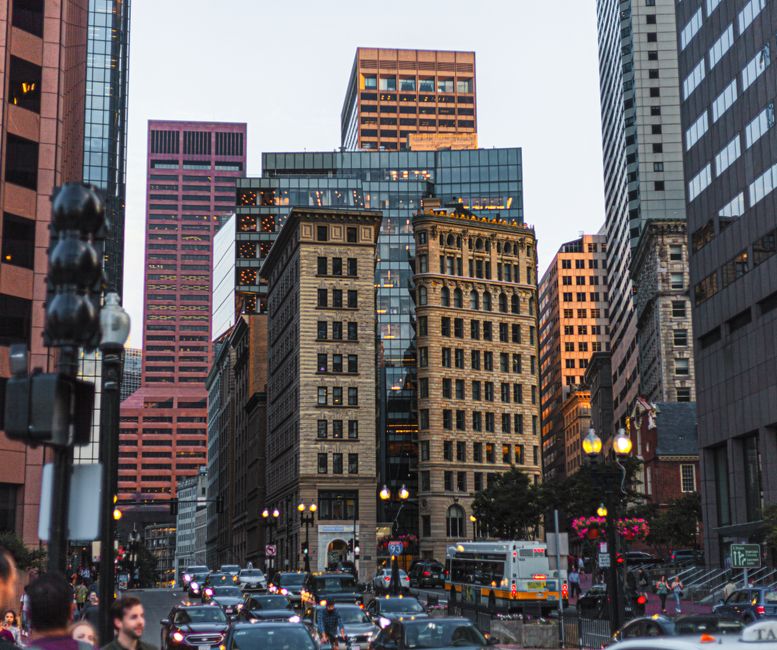
The vacant lot at the corner of Tremont and Malcolm X Boulevard has sat empty for nearly four years. Now, developers are circling with plans for a mixed-use tower that could bring 200 new units to Roxbury—and an existential question for a neighbourhood already transformed by rising rents and departing families.
The decision facing community boards and city planners over the next six months will echo far beyond this single block. According to recent data from the Boston Planning & Development Agency, median rents in Roxbury have climbed 34 percent since 2020, while median household incomes have remained largely flat. The vacancy rate at the Dudley Square apartments, once anchoring the neighbourhood's affordability, now hovers near 8 percent as lease renewals push long-time residents out.
"We've seen this movie before," says David Jackson, executive director of the Roxbury Community Development Corporation, speaking in general terms about neighbourhood transformation patterns. "The question isn't whether development happens. It's whether the people who built this community get to stay."
The Tremont project proposal includes a 25 percent affordable housing requirement—a percentage that falls short of demands from residents and advocacy groups pushing for at least 40 percent. The developer's current timeline suggests groundbreaking by early 2027, but that window could shift depending on how negotiations play out over the next several months.
Meanwhile, similar decisions loom elsewhere. The long-stalled Parcel 25 redevelopment along the Orange Line corridor, encompassing parts of Stony Brook and Forest Hills neighbourhoods, requires city approval by September. Community organizations must decide whether to accept current affordability proposals or risk extended delays.
The stakes feel urgent because precedent matters. The Seaport District's transformation over the past decade has become a cautionary tale locally—originally zoned for working-class housing, it evolved into one of Boston's priciest neighbourhoods. Current residents watched from the sidelines as six-figure salaries and glass towers became the area's defining feature.
Over the next two months, residents in Roxbury will attend community meetings, city council hearings, and neighbourhood forums where they'll weigh growth against displacement. Advocates are pushing for community land trusts and deeper affordability requirements. Developers argue stricter terms reduce project viability.
The city's planning staff has signaled openness to hybrid models—combining private development with community-controlled parcels. Whether that translates into concrete policy remains unclear.
For Roxbury residents, the season of decisions has begun. What emerges will shape whether Boston's most historic Black neighbourhood remains a home for its community, or becomes another chapter in the city's gentrification story.
This article was compiled by AI and screened before publishing. See our editorial standards.