Boston's Green Future Hangs on Three Critical Decisions Coming This Fall
City leaders face make-or-break votes on waterfront resilience, transit funding, and emissions targets that will define the next decade of environmental progress.
City leaders face make-or-break votes on waterfront resilience, transit funding, and emissions targets that will define the next decade of environmental progress.
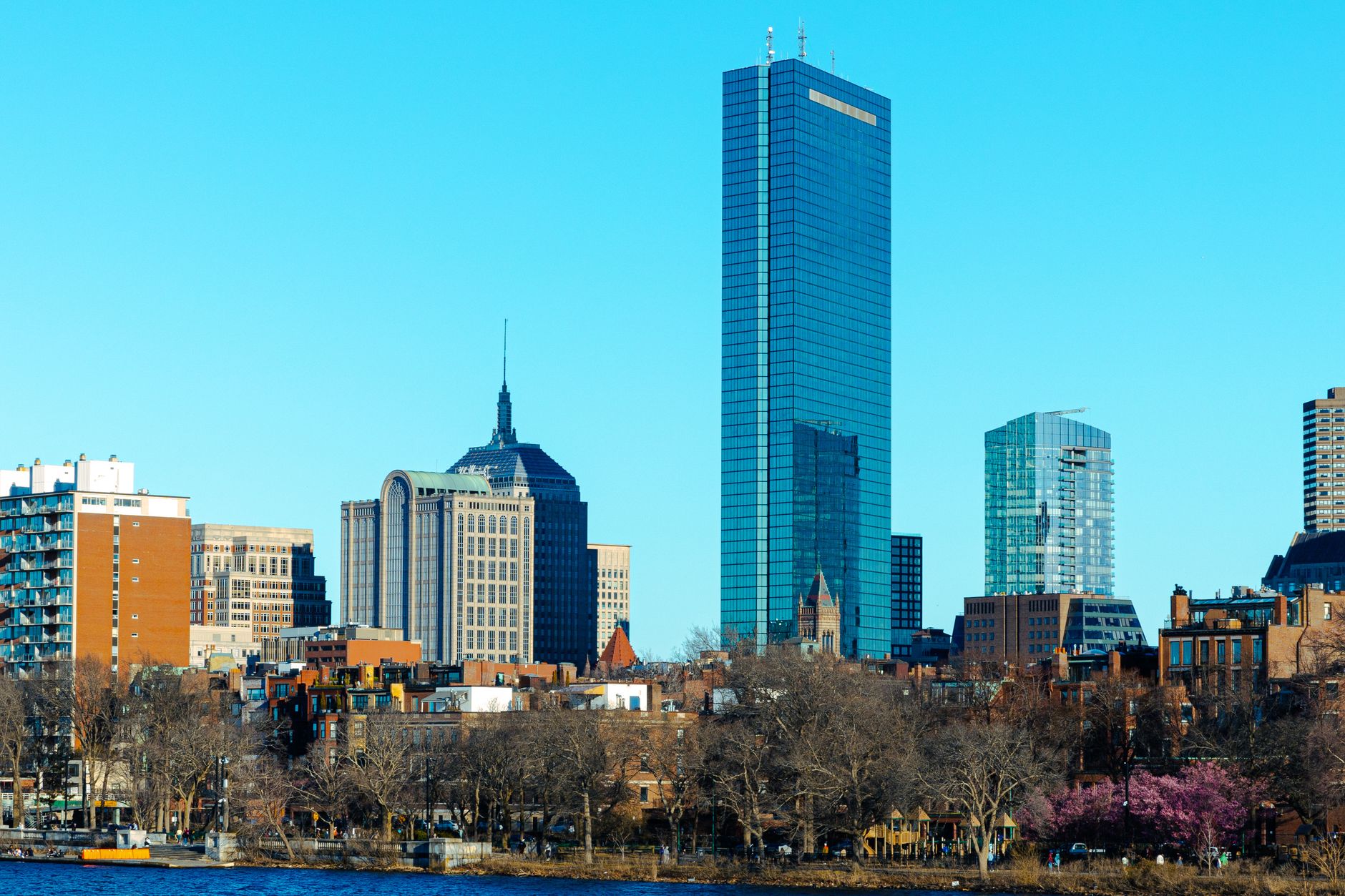
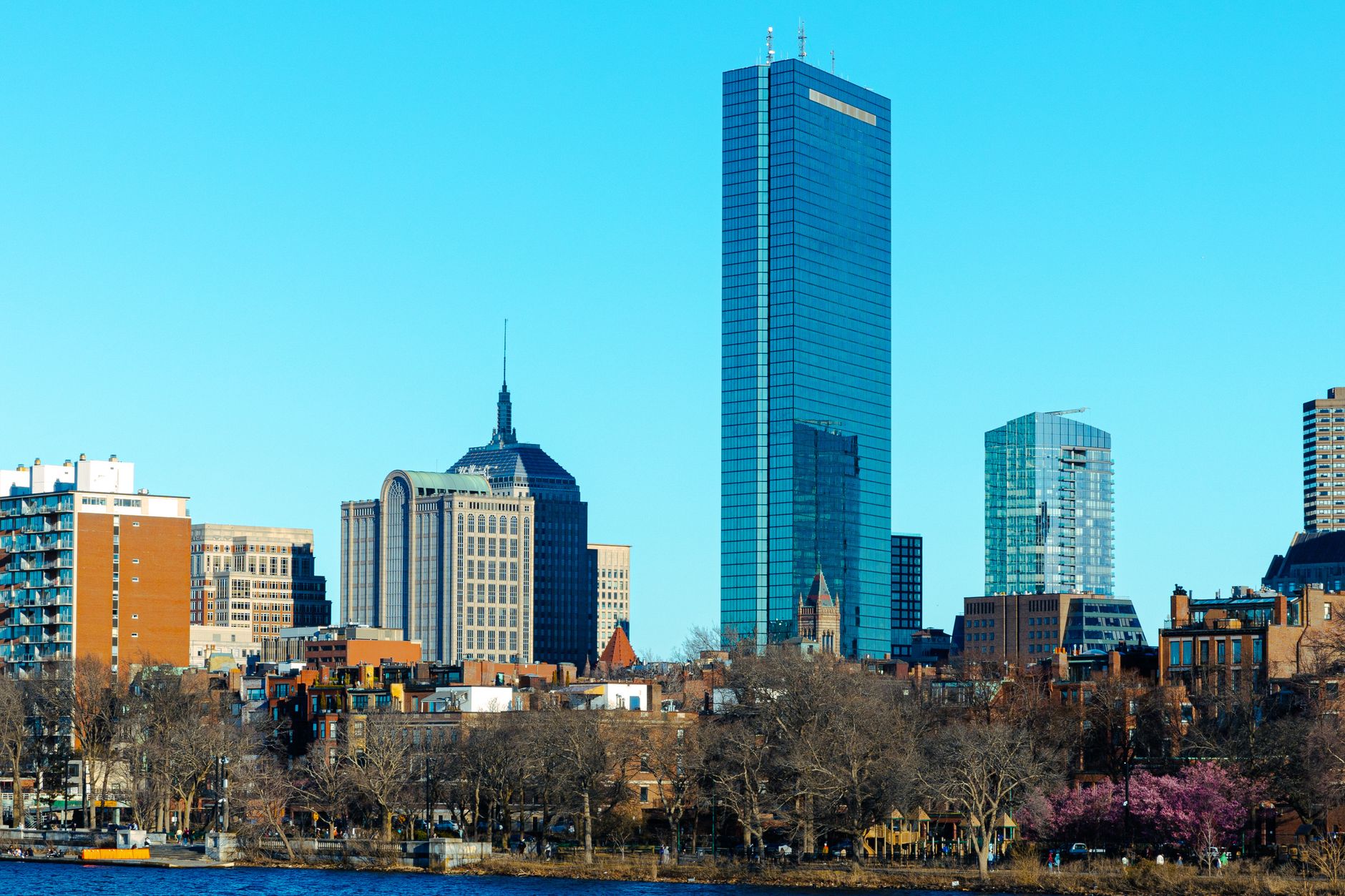
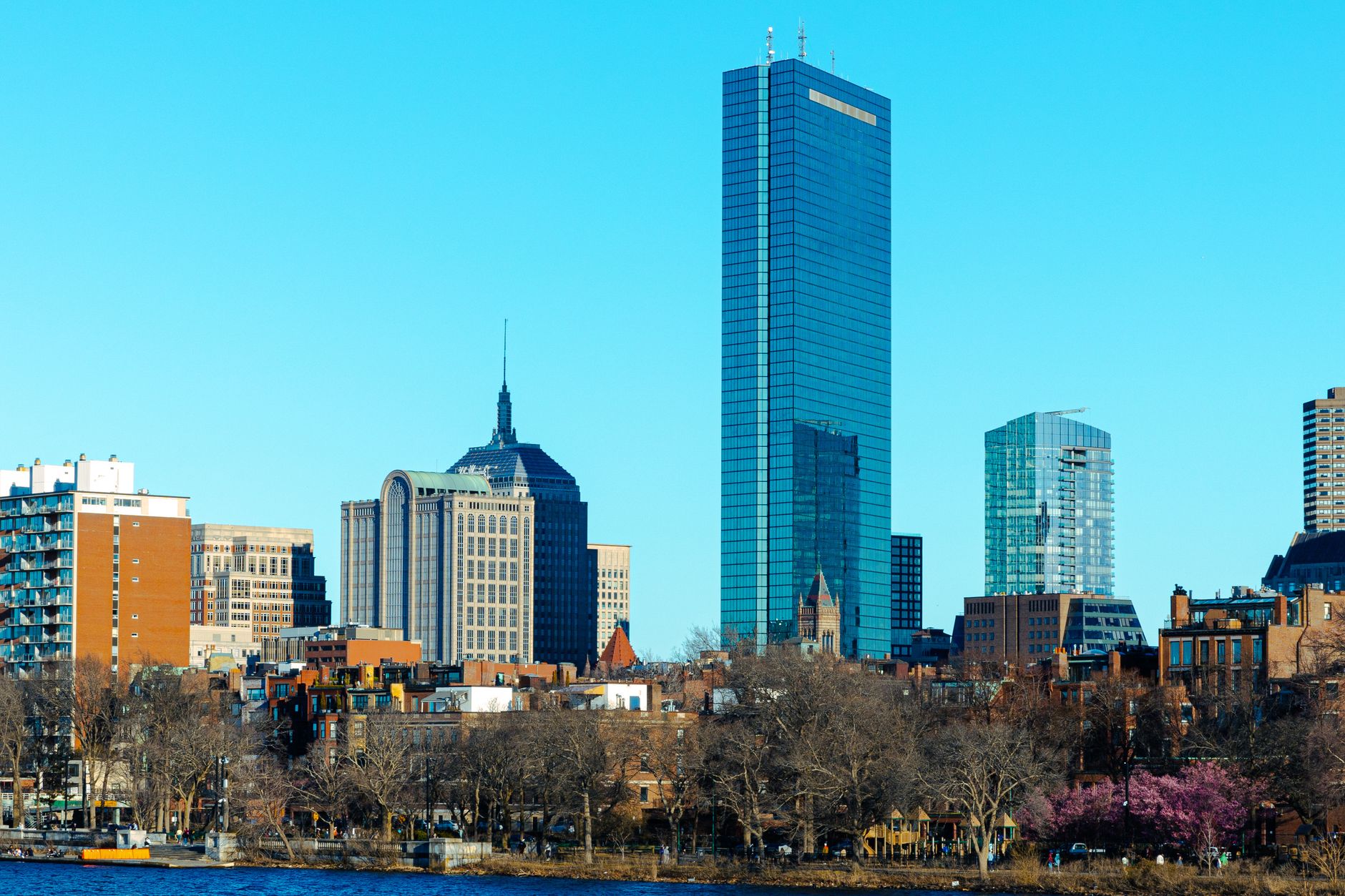
Boston stands at an inflection point. After years of incremental progress on climate action—from the Greenway's urban forest expansion to the Seaport's net-zero development standards—the city now confronts three consequential decisions that will determine whether its sustainability ambitions become reality or remain aspirational.
The most immediate challenge involves the Back Bay and Seaport flood mitigation strategy. City planners must decide by September whether to proceed with the $350 million waterfront resilience project that would upgrade bulkheads from the Institute of Contemporary Art to the New England Aquarium. The alternative—a scaled-back version affecting only the Seaport—would cost $180 million but leave downtown Boston's oldest neighborhoods vulnerable as sea levels rise. Engineering studies suggest complete inaction could expose $42 billion in property to increased flood risk by 2050.
Simultaneously, the MBTA faces a funding crossroads. The transit authority's five-year capital plan requires $2.4 billion in state and federal support to modernize the Red and Orange lines while expanding bus rapid transit on key corridors like Washington Street in Roxbury and Columbus Avenue in the South End. Without this investment, ridership projections suggest transit usage could flatten, undermining the city's goal of reducing transportation emissions by 40 percent by 2035.
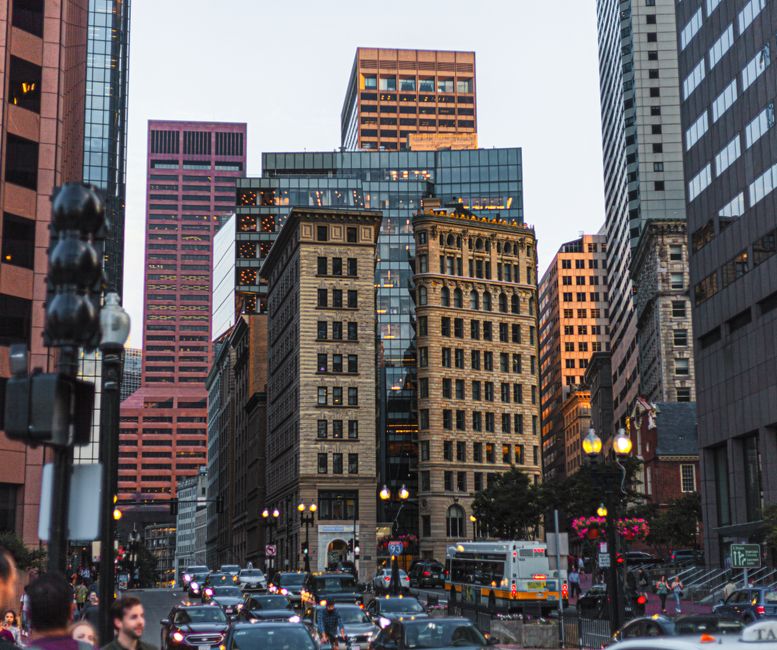
Then there's the emissions accountability question. Boston's 2023 climate action plan committed the city to carbon neutrality by 2050, but implementation details remain vague. In the coming months, the Environmental and Energy Services Department must establish binding interim targets for 2030 and 2040—and specify which sectors will bear the heaviest compliance burden. Buildings account for nearly 70 percent of the city's emissions; the decision about whether to mandate aggressive retrofit standards for older office parks along the Financial District and Cambridge Street will ripple across the real estate market.
What makes these decisions particularly urgent is the window of opportunity. Federal climate funding currently flowing through Biden-era legislation may not survive another administration change. Local matching grants for transit and resilience projects are competitive and time-limited. Meanwhile, construction costs continue rising roughly 4-5 percent annually.
Advocates from the Conservation Law Foundation to neighborhood groups in Dorchester have begun mobilizing for the September votes. City Council members representing districts most vulnerable to flooding and air pollution will face intense pressure from constituents and developers alike.
The question is no longer whether Boston will pursue sustainability. It's whether the city will commit the resources and political capital to do so decisively—or cede its position as a climate leader to cities making bolder choices.
This article was compiled by AI and screened before publishing. See our editorial standards.
How does this story make you feel?
Spread the word
About this article
Published by The Daily Boston
Daily brief
Free, in your inbox before 7am. Weekdays.
More in News