How Boston's Universities Became Billion-Dollar Real ...
From modest academic institutions to major property holders reshaping neighborhoods, a look at how higher education's financial muscle transformed the city.
From modest academic institutions to major property holders reshaping neighborhoods, a look at how higher education's financial muscle transformed the city.
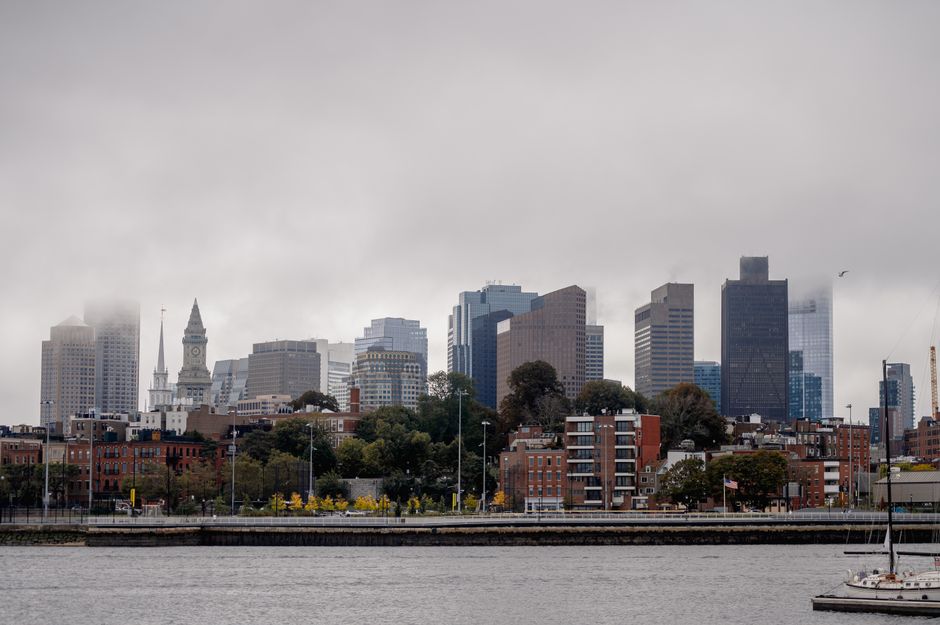
Boston's transformation into a hub of campus expansion didn't happen overnight. Over the past two decades, the city's universities have evolved from primarily educational institutions into sophisticated real estate operators, fundamentally reshaping neighborhoods from Cambridge to the Longwood Medical Area.
The shift accelerated after 2008. While the financial crisis devastated many sectors, universities emerged with substantial endowments and access to capital markets. Harvard, MIT, Boston University, and Northeastern began strategic acquisitions across the city. By 2015, Boston's major universities controlled approximately $47 billion in combined endowments—a figure that has only grown. Universities now rank among the city's largest property owners, operating with the financial sophistication of major corporations.
The mechanics are straightforward: acquire property, develop mixed-use complexes combining academic space with market-rate housing and commercial ventures, then use revenue to fuel further expansion. A single development in Allston, initiated by Harvard in the early 2000s, eventually displaced dozens of families and small businesses before eventually stalling. Meanwhile, Northeastern's continuous expansion around its Columbus Avenue campus has remade entire blocks, driving residential displacement throughout the Fenway neighborhood.
Property values tell the story. In 2005, average commercial real estate near BU's Commonwealth Avenue campus sold for roughly $350 per square foot. Today, that figure approaches $850—a 140 percent increase directly correlated with university acquisition and development activity. Residential rents in surrounding areas have climbed proportionally, with studios in nearby areas now averaging $1,800 monthly.
This expansion has created genuine economic benefits. Universities employ over 85,000 people across the Boston metropolitan area and contribute significantly to tax-exempt charitable giving. But it's also concentrated wealth and decision-making power. These institutions' exemption from property taxes—worth an estimated $300 million annually in forgone city revenue—remains controversial as neighborhoods absorb the social costs.
The current moment reflects this accumulated pressure. Debates over development in Mission Hill, concerns about housing affordability across the city, and questions about university accountability have intensified. Several City Council members now require detailed community impact assessments before approving major campus expansions.
Understanding how we arrived here requires recognizing that universities didn't set out to become real estate moguls. They responded rationally to financial incentives, regulatory environments that favored expansion, and cultural assumptions that growth always benefits cities. The question now facing Boston is whether that model remains sustainable—or whether new frameworks are needed to balance academic missions with community stability.
This article was compiled by AI and screened before publishing. See our editorial standards.
How does this story make you feel?
Spread the word
About this article
Published by The Daily Boston
Daily brief
Free, in your inbox before 7am. Weekdays.
More in News