By the Numbers: What Boston's Climate Goals Actually Look Like in Data
As the city pursues its 2050 net-zero emissions target, the statistics reveal both ambitious progress and the scale of work ahead.
As the city pursues its 2050 net-zero emissions target, the statistics reveal both ambitious progress and the scale of work ahead.
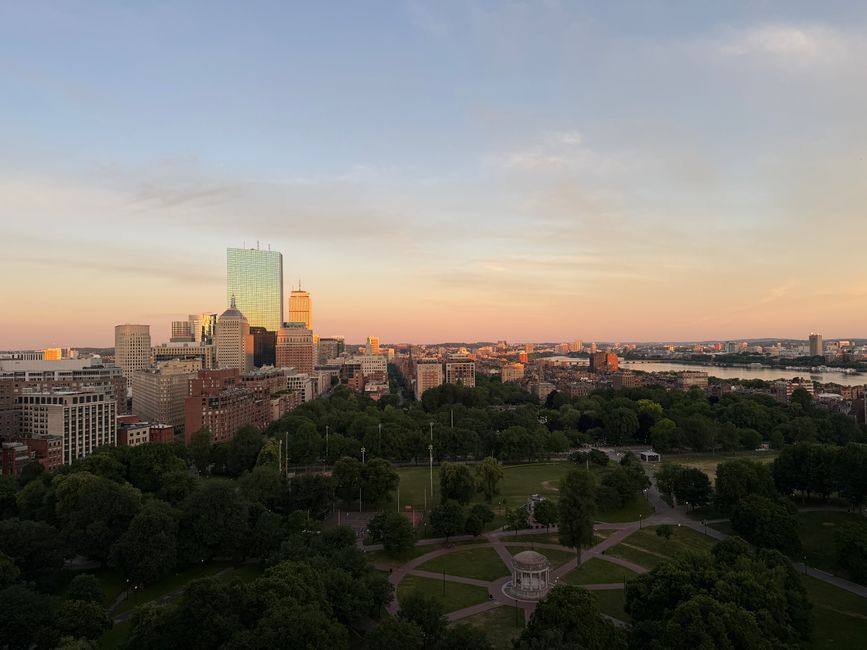
Boston's environmental ambitions rest on a foundation of hard numbers, and those figures tell a complicated story of progress and remaining challenges as the city navigates its transition to sustainability.
The city's 2021 Climate Action Plan laid out a target: 80% emissions reductions by 2050, with interim goals of 50% cuts by 2030. To understand what that means in practice, consider the baseline. In 2019, Boston produced approximately 9.3 million metric tons of carbon dioxide equivalent annually, with building operations—heating, cooling, and electricity—accounting for roughly 68% of that total. The remaining 32% comes from transportation, waste, and other sources.
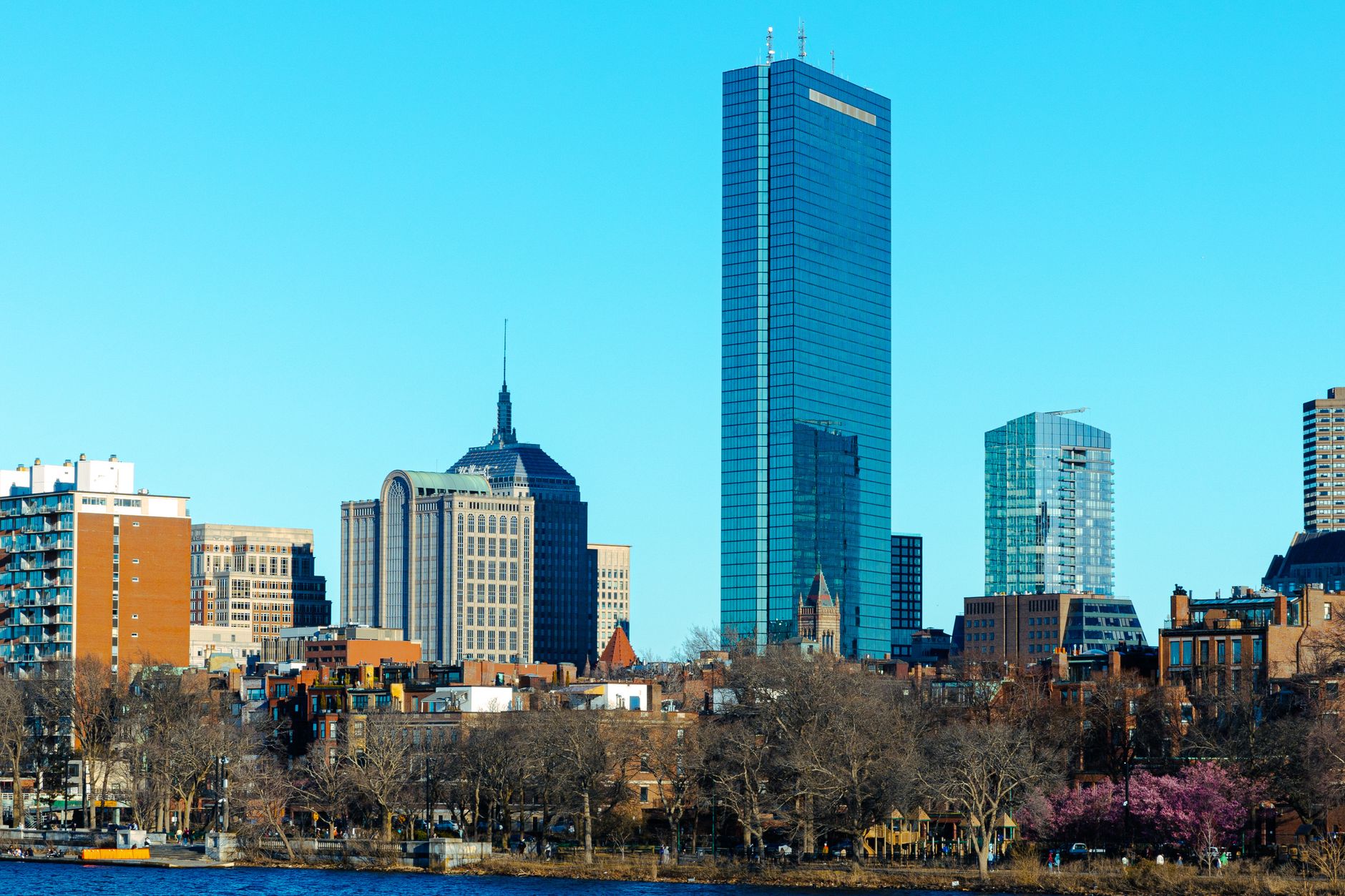
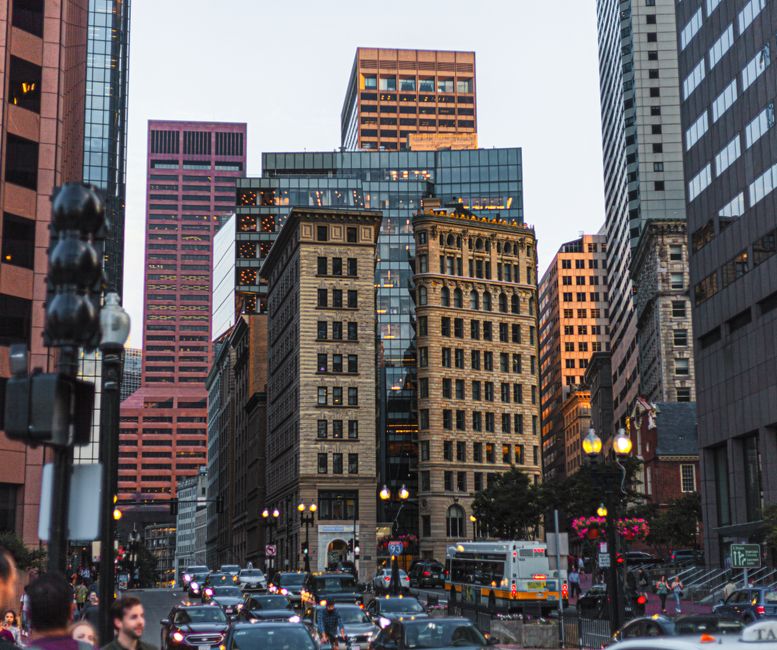
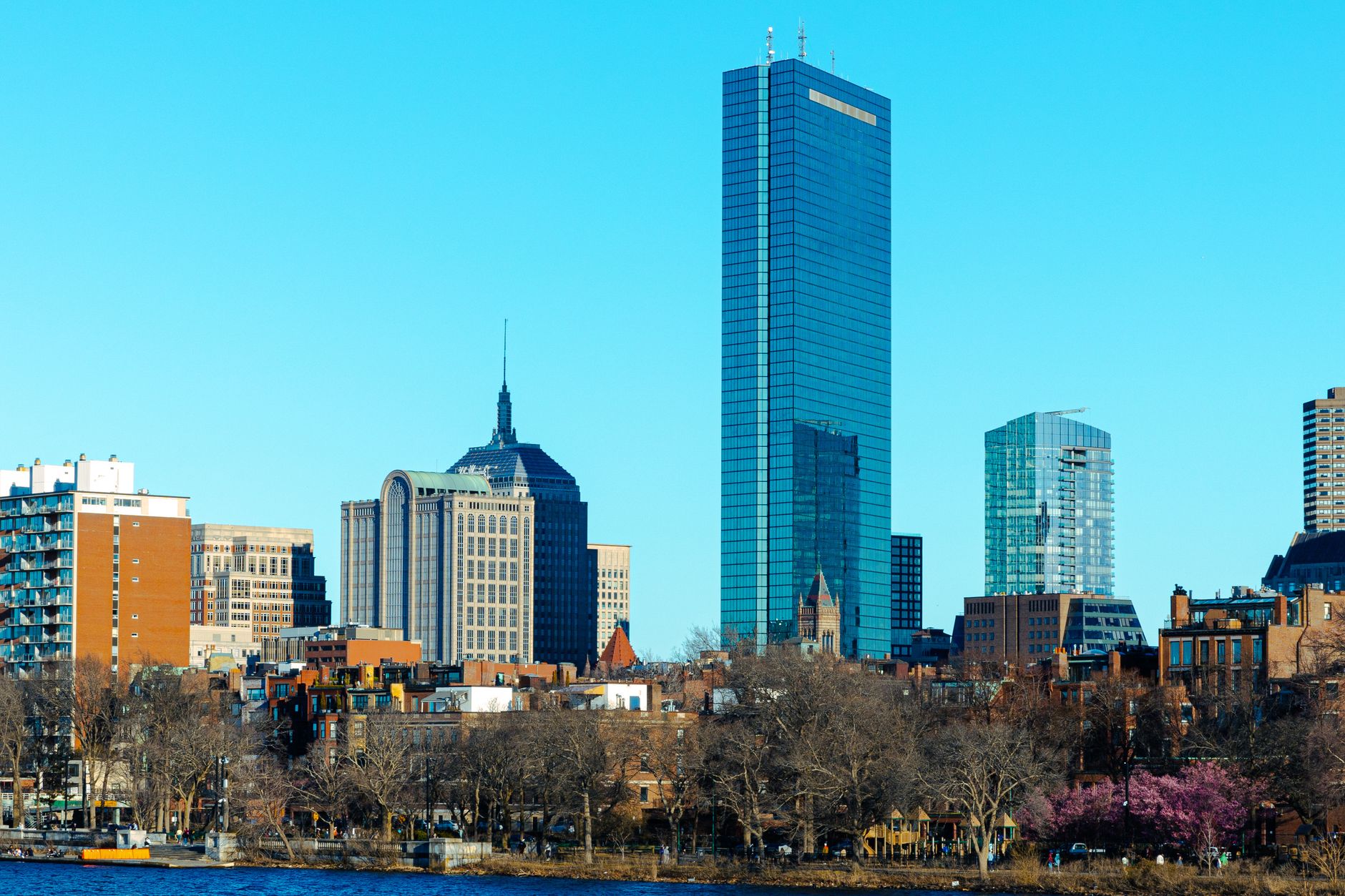
The numbers illustrate why buildings matter so intensely in Boston's climate strategy. The city's approximately 63,000 buildings span centuries of construction standards, from the Victorian brownstones of Beacon Hill to the modern office towers clustered around the Financial District. Energy audits show that pre-1950 structures—a significant portion of Boston's housing stock—consume roughly 40% more energy per square foot than buildings constructed after 2000.
The city's emissions benchmark law, enacted in 2022, requires buildings over 25,000 square feet to meet annual carbon reduction targets or face fines starting at $150 per metric ton of excess emissions. Early compliance data shows approximately 3,400 buildings must report under this framework, representing roughly 280 million square feet of property.
Transportation presents its own numerical challenge. Cars and trucks account for approximately 220,000 metric tons of annual emissions across the city, according to recent environmental assessments. Boston's Green Sticker parking incentive program, which offers discounts for electric vehicles, has registered over 18,000 participating EVs as of June 2026—a 340% increase from 2020 figures, yet still representing only about 6% of registered vehicles in the city.
Transit investments show similar numerical narratives. The MBTA's electrification plan targets converting 1,500 diesel buses to electric models by 2035, at an estimated cost of $2.8 billion. Current procurement stands at approximately 340 electric buses operational or on order.
Perhaps most tellingly, the numbers reveal a city in transition but not yet transformed. Boston's waste stream generates roughly 1.2 million tons annually, with composting infrastructure handling only 42,000 tons—less than 4% of the city's organic waste. These statistics form the foundation of the city's sustainability strategy, translating aspirational climate commitments into measurable milestones that residents, policymakers, and businesses will track for decades to come.
This article was compiled by AI and screened before publishing. See our editorial standards.
How does this story make you feel?
Spread the word
About this article
Published by The Daily Boston
Daily brief
Free, in your inbox before 7am. Weekdays.
More in News