How Boston's Housing Crisis Became a Perfect Storm: The Decades of Decisions That Led Here
From restrictive zoning laws to underinvestment in public housing, a look at the policy choices that created today's affordability crisis.
From restrictive zoning laws to underinvestment in public housing, a look at the policy choices that created today's affordability crisis.
Boston's housing affordability crisis didn't emerge overnight. It's the product of decades of incremental policy decisions, missed opportunities, and structural barriers that have gradually squeezed out middle-income residents and transformed neighborhoods across the city.
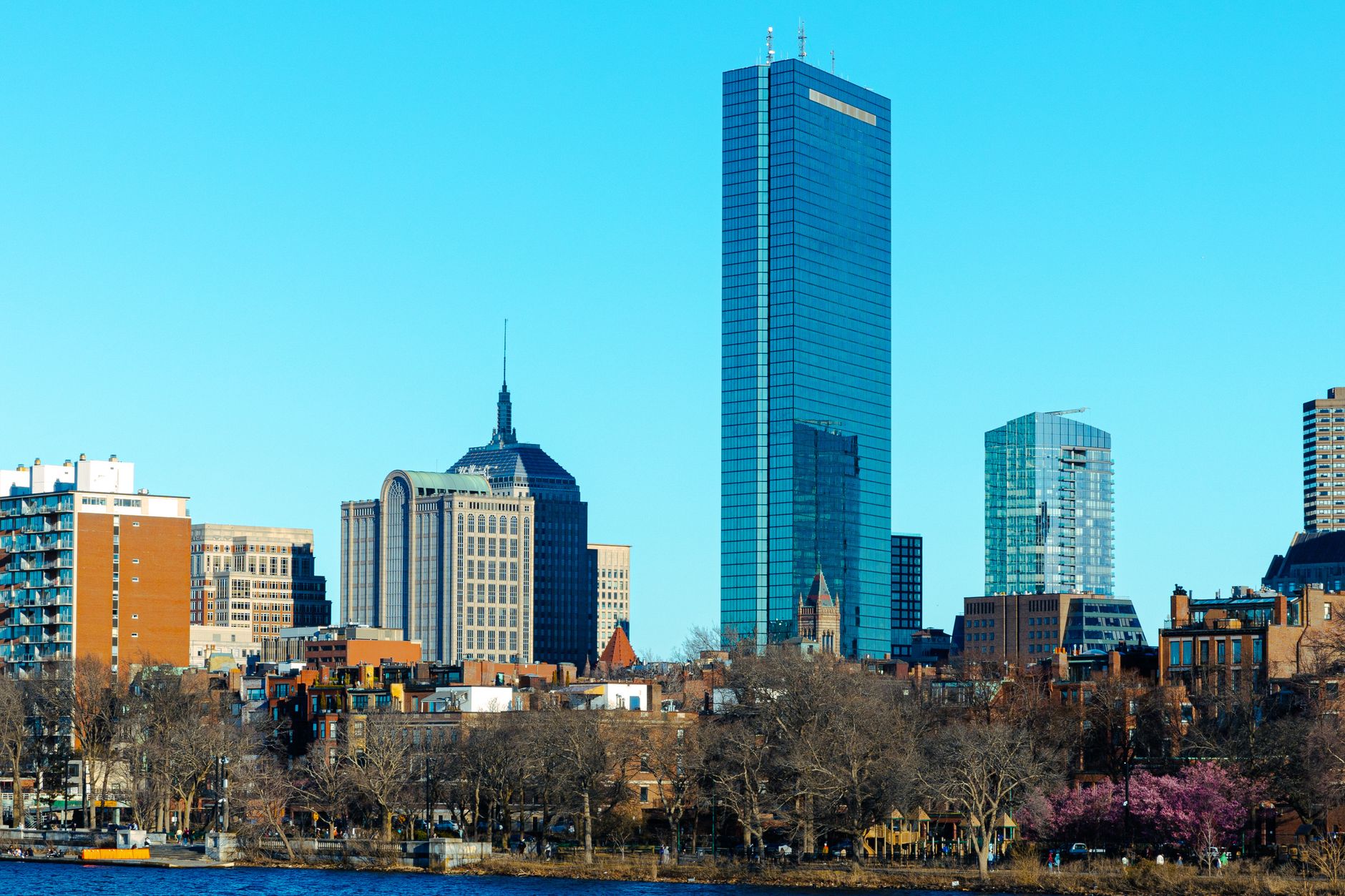
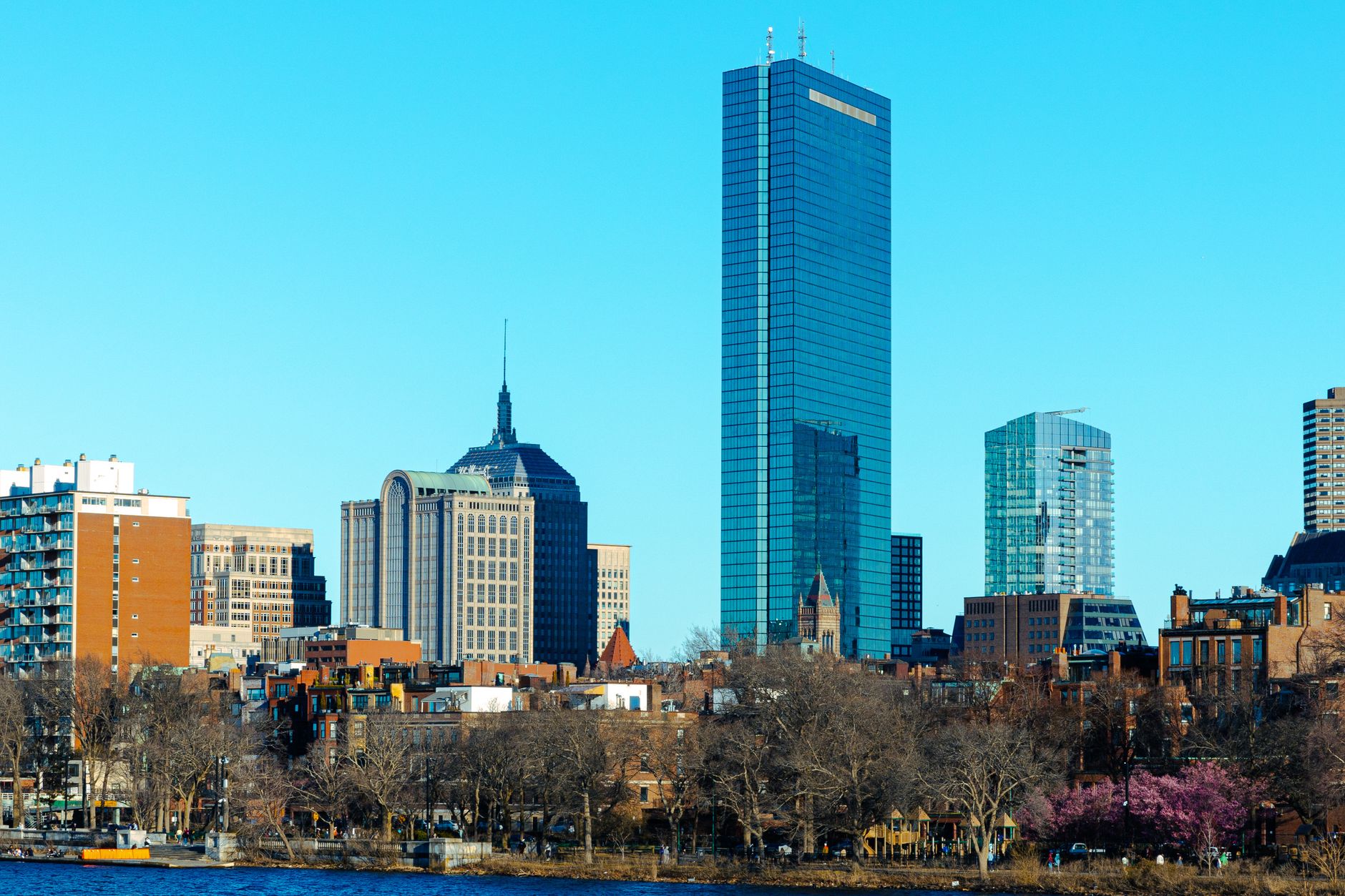
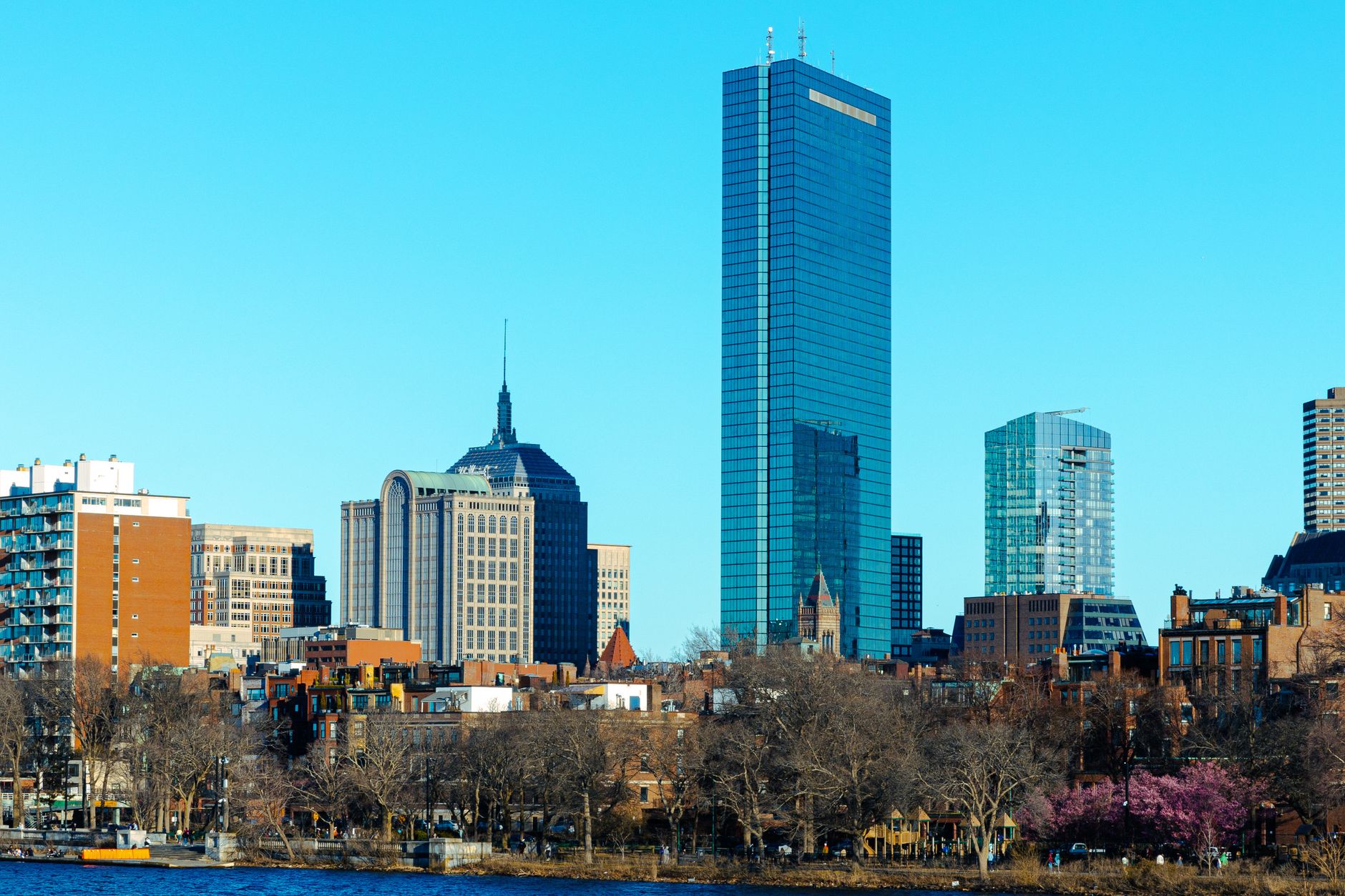
The roots run deep. In the 1970s and 1980s, as Boston rebuilt after urban decline, city planners prioritized commercial development and high-end housing in neighborhoods like the Back Bay and Financial District. Meanwhile, single-family zoning restrictions—rules limiting where multifamily housing could be built—remained locked in place across much of the city. These regulations, inherited from mid-century suburban planning ideals, made it nearly impossible to increase housing supply where demand was highest.
The numbers tell the story. Today, median rent for a one-bedroom apartment in Boston exceeds $2,100 monthly, while median home prices hover near $650,000—figures that have roughly tripled since 2000. Yet housing production has lagged dramatically. Between 2010 and 2020, Boston added roughly 23,000 housing units while the metro area's population grew by over 400,000 residents.
Public housing compounded the problem. The Boston Housing Authority, once managing nearly 55,000 units, saw its portfolio shrink through demolition and disposition. Tenements in Jamaica Plain and Roxbury that once housed working families were torn down or converted. Investment in maintenance lagged, and waiting lists for public housing stretched to years. By contrast, private development focused on luxury segments—condos in the Seaport District and mixed-use projects along the Greenway commanded premium prices.
Community preservation district overlays in neighborhoods like the South End and Beacon Hill, while protecting historic character, also froze housing supply. Meanwhile, restrictive parking requirements and setback rules made it expensive to build anything but single-family homes in residential areas.
Recent years have seen some policy shifts. The city relaxed parking minimums in 2022 and began allowing two-family homes in more neighborhoods. State-level zoning reforms have also created openings. But these changes came late, after decades of scarcity had already reshaped Boston's economic geography.
Understanding how we arrived here matters. The crisis wasn't inevitable—it reflects specific regulatory choices made by planners and politicians who prioritized stability over growth, preservation over production. As Boston grapples with whether to fundamentally rethink its approach to zoning and development, that history offers crucial lessons.
This article was compiled by AI and screened before publishing. See our editorial standards.
How does this story make you feel?
Spread the word
About this article
Published by The Daily Boston
Daily brief
Free, in your inbox before 7am. Weekdays.
More in News