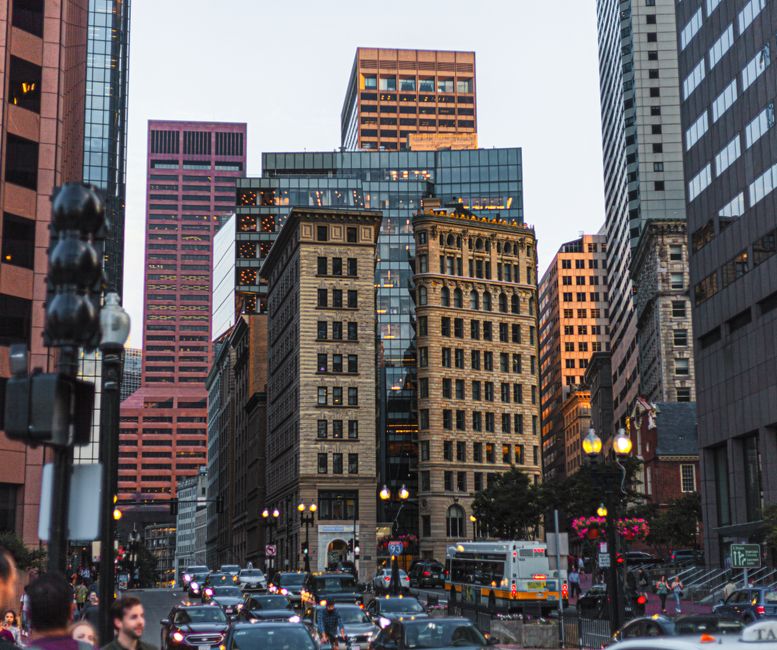
When the city announced its plan to convert the Greenway into a climate resilience corridor last year, residents of nearby Downtown and the North End found out through a press release, not public forums. That absence of community voice has become a rallying cry for environmental justice advocates across Boston's most vulnerable neighbourhoods.
"We're always the afterthought," said one long-time Roxbury resident during a June community meeting at the Nubian Square Cultural Center. "Big institutions plan these green initiatives, and by the time we hear about them, everything's already decided."
The frustration reflects a broader pattern. Boston's 2050 net-zero commitment and its $2.6 billion climate resilience programme have generated headlines, but residents of Dorchester, Roxbury, and Mattapan—areas disproportionately affected by flooding, air pollution, and heat island effects—say they've been largely excluded from shaping solutions.
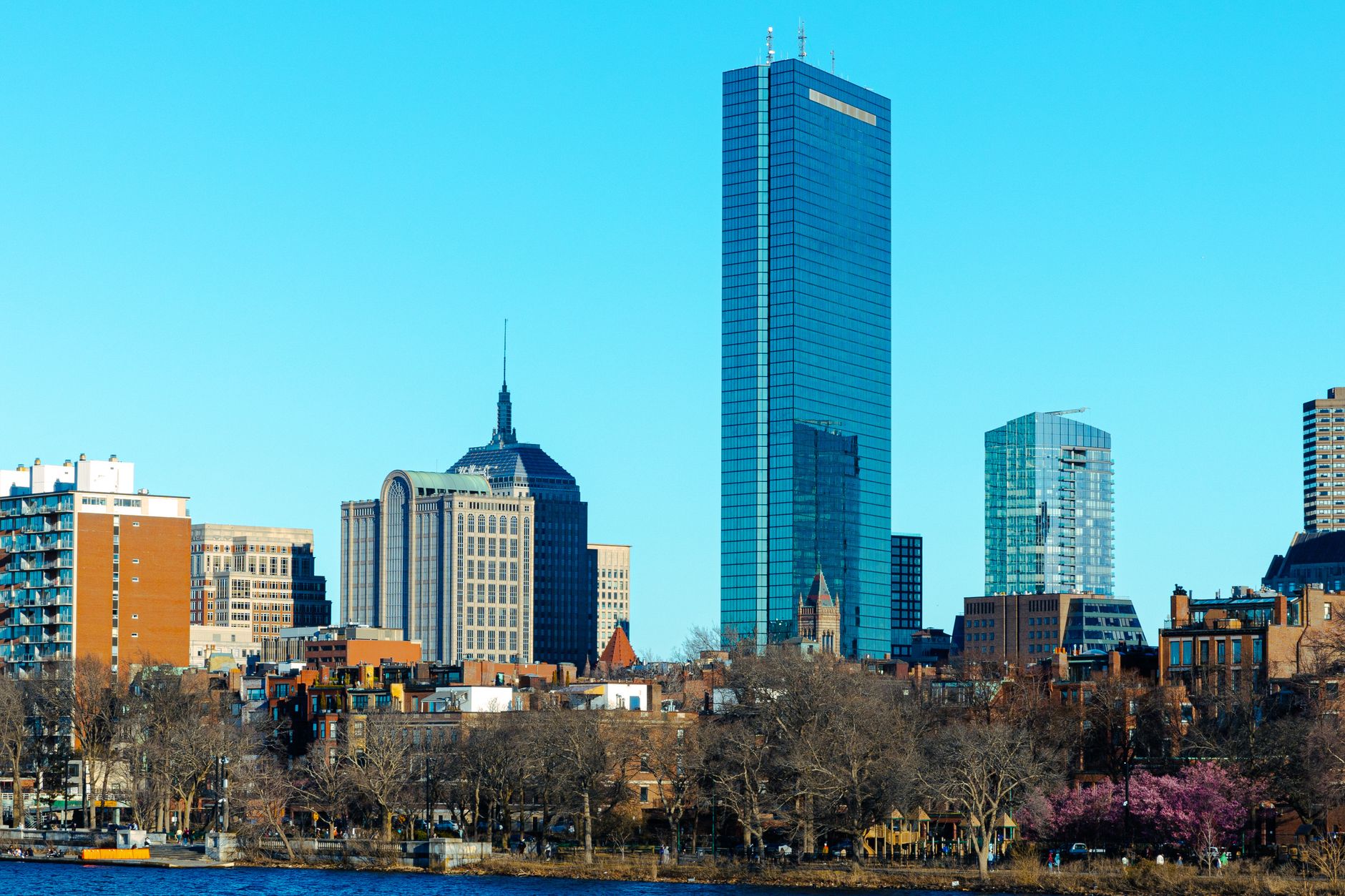
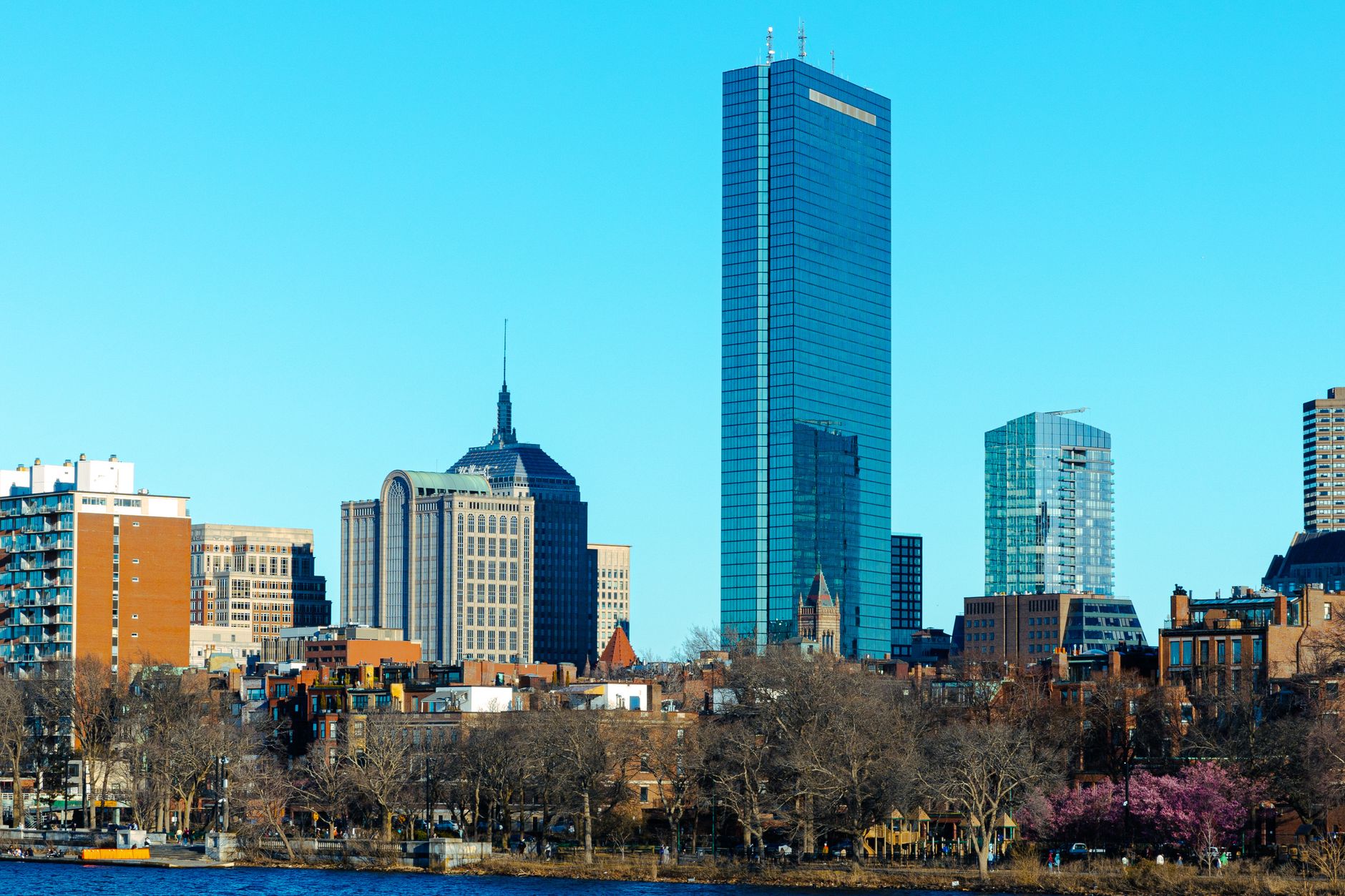
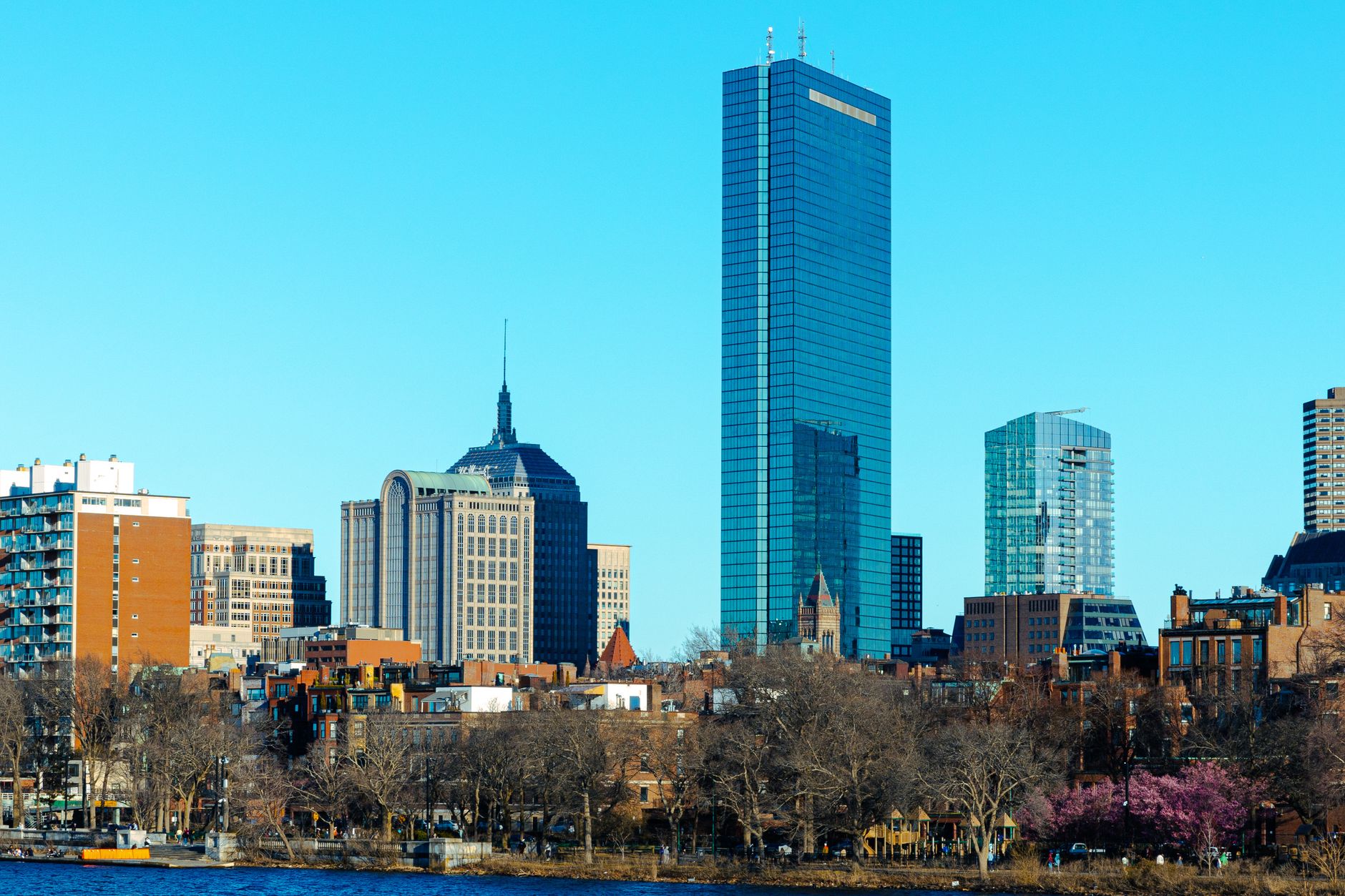
Data supports their concerns. According to the city's own environmental justice mapping, neighbourhoods south of the city centre experience significantly higher rates of asthma hospitalisation and have substantially fewer tree canopies than wealthier areas like Back Bay. Yet planning meetings for major climate initiatives often occur during business hours in downtown venues, creating barriers for working-class residents.
"We live with the consequences every summer," explained one Mattapan community organiser at a recent gathering at the Mattapan Branch Library. "Air quality hits us first. Flooding hits us hardest. But when universities and non-profits come in to talk solutions, they're often already committed to ideas developed without us."
Some progress is emerging. The Boston Environmental Justice Advisory Board has expanded community representation, and organisations like the Environmental League of Massachusetts have begun holding sessions in Roxbury and Dorchester. But advocates say genuine power-sharing—not just consultation—remains elusive.
The tension came to a head when residents of Dorchester's Uphams Corner neighbourhood raised concerns about a proposed green roof programme that could accelerate gentrification. Their input ultimately modified the project's affordability provisions, but only after months of organising.
"We're not against climate action," said one long-time Dorchester resident. "We're against climate action that doesn't include us in deciding what it looks like."
As Boston pursues its sustainability goals, stakeholders increasingly recognise that excluding the neighbourhoods most vulnerable to climate impacts isn't just unjust—it's ineffective. Real progress, they argue, requires listening to the people living on the frontlines.
This article was compiled by AI and screened before publishing. See our editorial standards.