How Boston's Housing Crisis Became the Central Issue Reshaping City Hall Politics
Years of zoning restrictions, rising development costs, and competing neighborhood interests have created the perfect storm now defining the 2026 municipal agenda.
Years of zoning restrictions, rising development costs, and competing neighborhood interests have created the perfect storm now defining the 2026 municipal agenda.
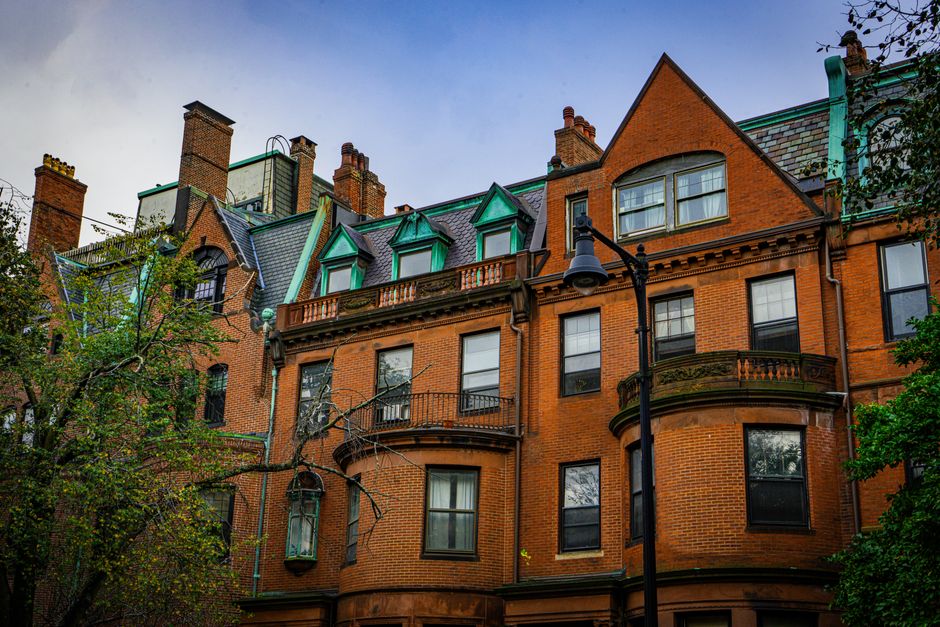
The emergency City Council session called for last Tuesday to discuss affordable housing was less a surprise than a culmination—the inevitable breaking point of tensions that have been building across Boston for nearly a decade.
To understand why housing has consumed nearly every discussion from the Mayor's office to community board meetings in Jamaica Plain and Roxbury, you need to look backward to 2016, when Boston's median home price hovered around $420,000. Today, that same median has swollen to nearly $680,000, pricing out teachers, nurses, and service workers who've long anchored the city's neighborhoods.
The root cause isn't mysterious. Boston has long maintained some of the most restrictive zoning codes in the Northeast. Single-family zoning dominates nearly 60% of residential land in neighborhoods from Beacon Hill to West Roxbury. Meanwhile, construction costs have tripled since 2015, driven by labor shortages and supply chain disruptions that persisted even after the pandemic's immediate economic shock wore off.
The math has become brutal: a two-bedroom apartment in Dorchester now rents for an average of $2,200 monthly—roughly 40% of what a full-time retail worker earns. The city's public housing authority manages fewer than 12,000 units, a figure that hasn't meaningfully expanded since the 1990s despite Boston's population growing by nearly 80,000 residents.
Previous administrations approached this incrementally. A 2019 inclusionary zoning ordinance required developers to set aside 13% of units as affordable—a policy that many builders circumvented through payment-in-lieu fees that disappeared into general funds. By 2023, fewer than 400 new affordable units had materialized city-wide.
The political landscape shifted this year as neighborhood associations—traditionally protective of their character—began fracturing. Some groups in Allston-Brighton and Fenway, facing demographic change themselves, endorsed density increases near transit corridors. Meanwhile, wealthier precincts dug in, citing infrastructure strain and school capacity as justifications for opposing new construction.
The current impasse reflects this fundamental disagreement: whether Boston's housing shortage is best solved through aggressive zoning reform that some fear will transform neighborhood character, or through slower public investment in municipally-owned development.
That tension is precisely why last week's emergency session packed the Vera and Donald Wolf Civil Rights Center to capacity, and why the next eighteen months will likely determine whether Boston remains a city for working families or becomes increasingly exclusive to those already holding property.
This article was compiled by AI from the sources linked above and screened before publishing. See our editorial standards.
How does this story make you feel?
Spread the word
About this article
Published by The Daily Boston
Daily brief
Free, in your inbox before 7am. Weekdays.
More in News