Voices from the Front: How Roxbury Residents Are Fighting Back Against Rising Rents
Community members in one of Boston's most vulnerable neighbourhoods share their struggles as displacement pressures intensify.
Community members in one of Boston's most vulnerable neighbourhoods share their struggles as displacement pressures intensify.
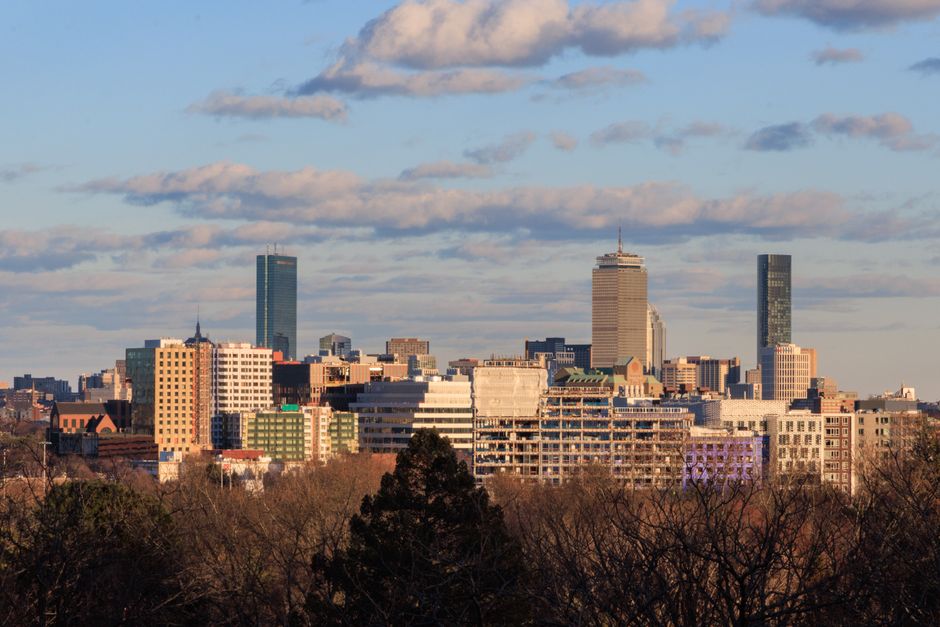
Walking along Tremont Street in Roxbury on a humid June afternoon, the tension is palpable. For decades, this neighbourhood has absorbed waves of demographic change, economic pressure, and development. Today, long-time residents are raising alarms about what they see as an existential threat: skyrocketing rents that are pushing working families out of the only community many have ever known.
Recent data from the Boston Planning and Development Agency shows median rents in Roxbury have climbed 34 percent over the past five years, with one-bedroom apartments now averaging $1,850 monthly—a figure that stretches budgets across the neighbourhood's predominantly Black and Latino population. The pressure is most acute around the gentrifying corridor near Forest Hills and along the increasingly coveted blocks near the Dudley Square area.
Community organisers point to the contradiction of revitalisation without inclusion. While new coffee shops, galleries, and restaurants have opened on Dudley Street, replacing longstanding Black-owned businesses, longtime residents describe feeling like outsiders in their own neighbourhood. Many speak of being priced out despite roots going back generations.
Local organisations are mobilising in response. The Roxbury Tenants Union, based near Parker Street, has grown to over 400 members since its 2024 launch. Meanwhile, the Dudley Street Neighbourhood Initiative continues advocating for affordable housing preservation and community control over development decisions—work that has defined their mission since 1984.
The human cost is visible in conversations across the neighbourhood. Parents worry about where their children will attend school if their families are forced further out. Small business owners describe customers—their neighbours—simply disappearing. Teachers and healthcare workers, essential to the community's functioning, describe exhausting commutes from more affordable areas outside the city.
These aren't abstract policy discussions. They're urgent questions about belonging, dignity, and the future shape of Boston. While city officials point to increased housing production and development tax incentives as solutions, residents argue these measures haven't prevented displacement at scale. They're demanding community land trusts, stricter rent control, and meaningful representation in planning decisions that directly affect their lives.
As summer settles over Boston, the pressure continues mounting. For Roxbury residents, the question is no longer just about housing—it's about whether working-class communities of colour have a future in a city increasingly shaped by market forces rather than community needs.
This article was compiled by AI from the sources linked above and screened before publishing. See our editorial standards.
How does this story make you feel?
Spread the word
About this article
Published by The Daily Boston
Daily brief
Free, in your inbox before 7am. Weekdays.
More in News