By The Numbers: How Boston's Sustainability Push Stacks Up Against Its Climate Goals
New data reveals the city is on track to cut emissions by 50% by 2030, but transportation remains the biggest challenge.
New data reveals the city is on track to cut emissions by 50% by 2030, but transportation remains the biggest challenge.
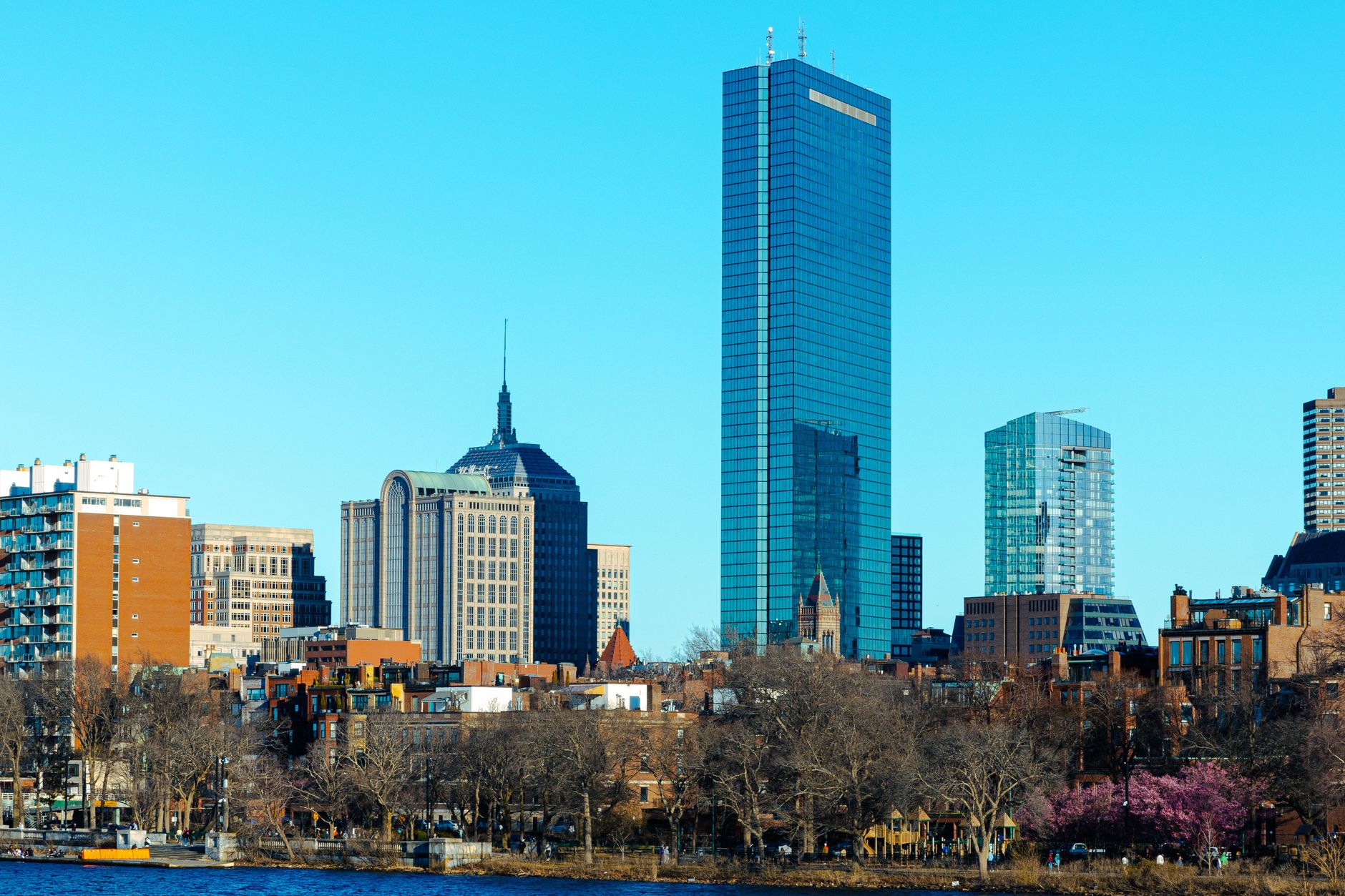
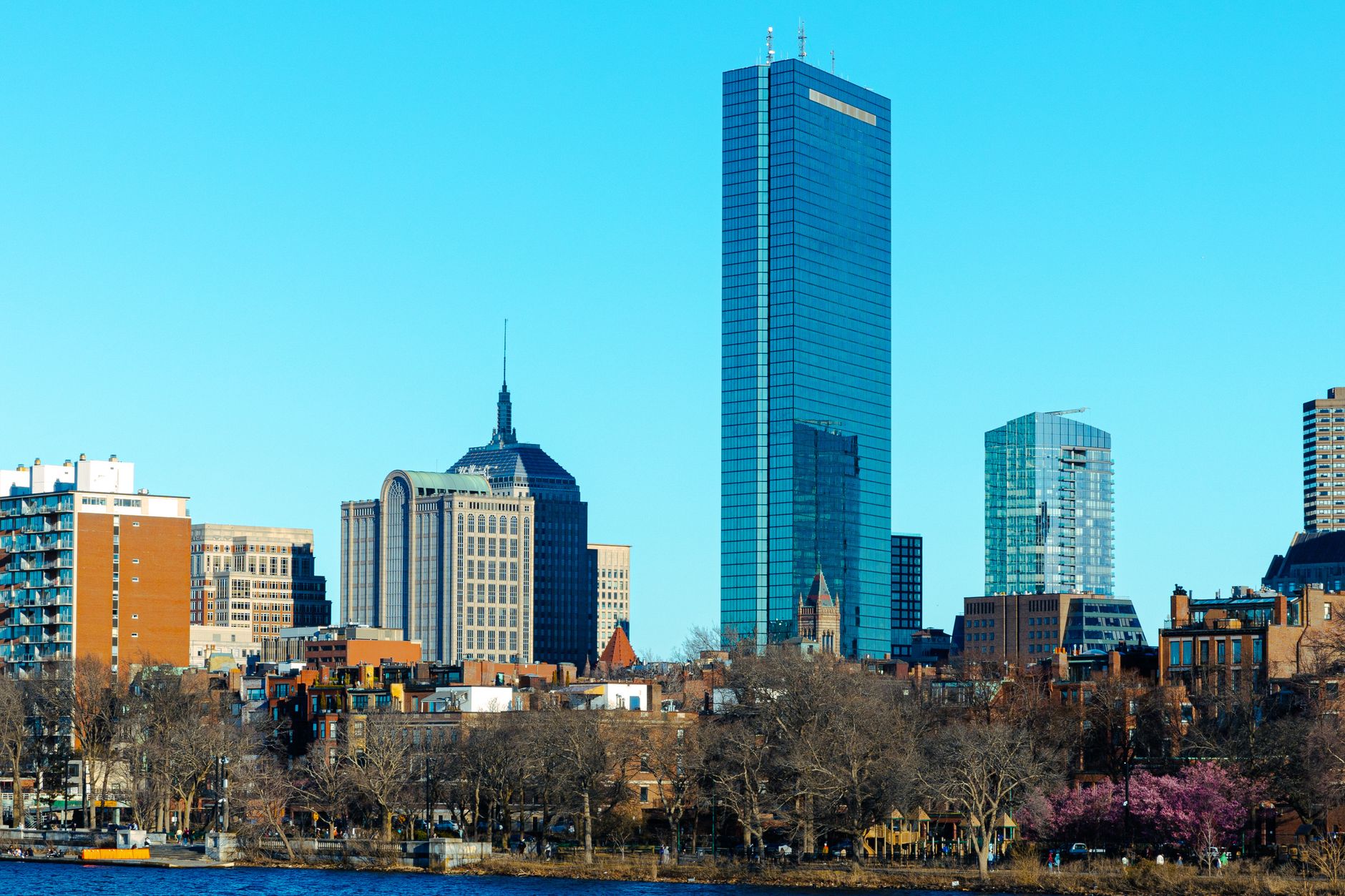
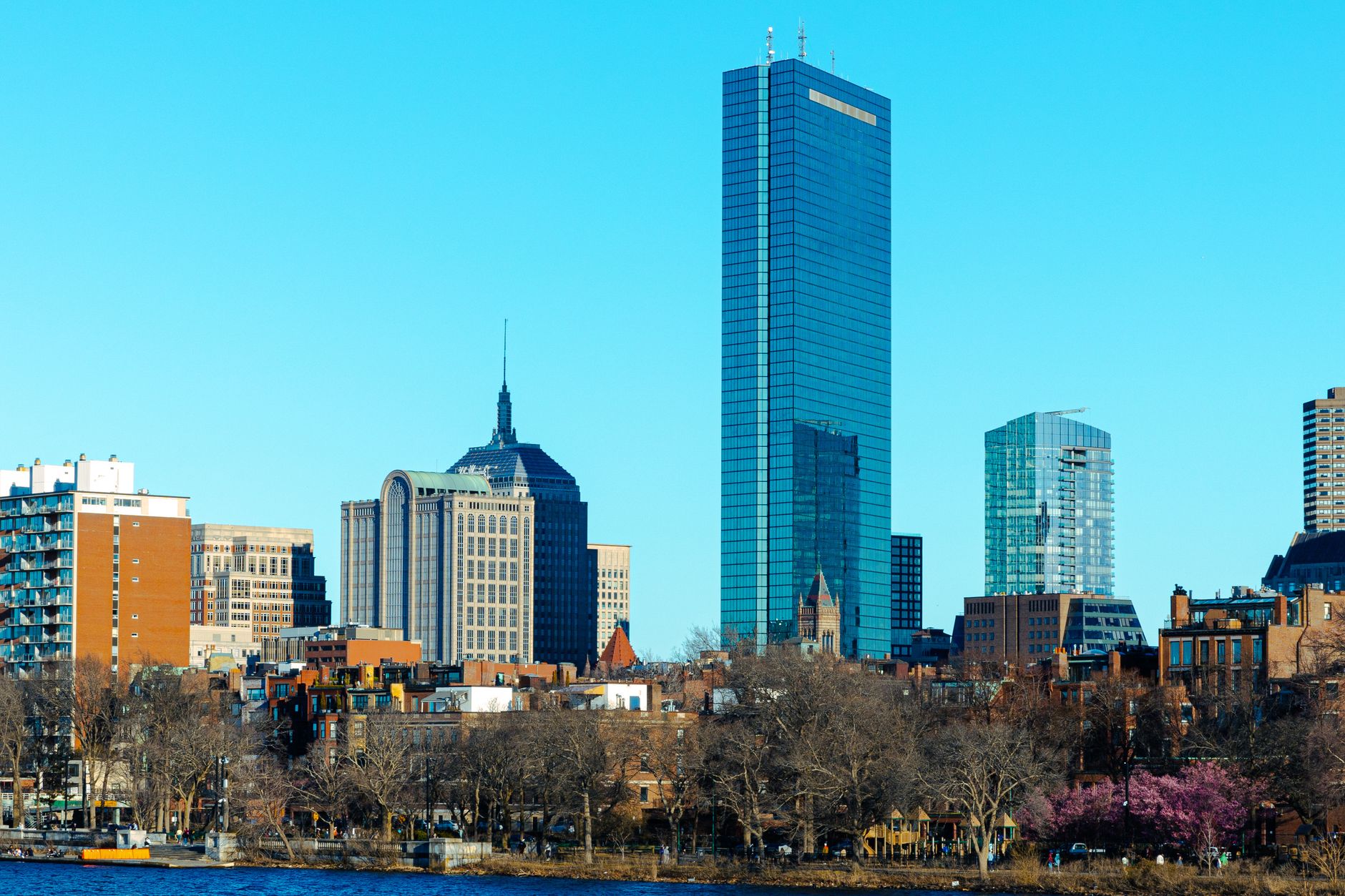
Boston's ambitious environmental agenda has reached a critical inflection point. According to the latest sustainability metrics released by the city's Climate Action Plan office, the numbers tell a story of genuine progress tempered by stubborn headwinds in specific sectors.
The most striking figure: municipal emissions have dropped 28% since 2005, putting Boston within reach of its 2030 target of 50% reductions across city operations and the broader economy. That decline translates to roughly 1.2 million metric tons of CO2 equivalent eliminated annually—equivalent to taking 260,000 cars off the road for a year.
Building retrofits have emerged as the engine of this success. Data shows that 847 commercial and residential properties across the city have undergone energy efficiency upgrades in the past three years, with the Seaport District alone accounting for 156 projects. The average retrofit reduces a building's energy consumption by 31%, saving property owners approximately $42,000 annually in operational costs.
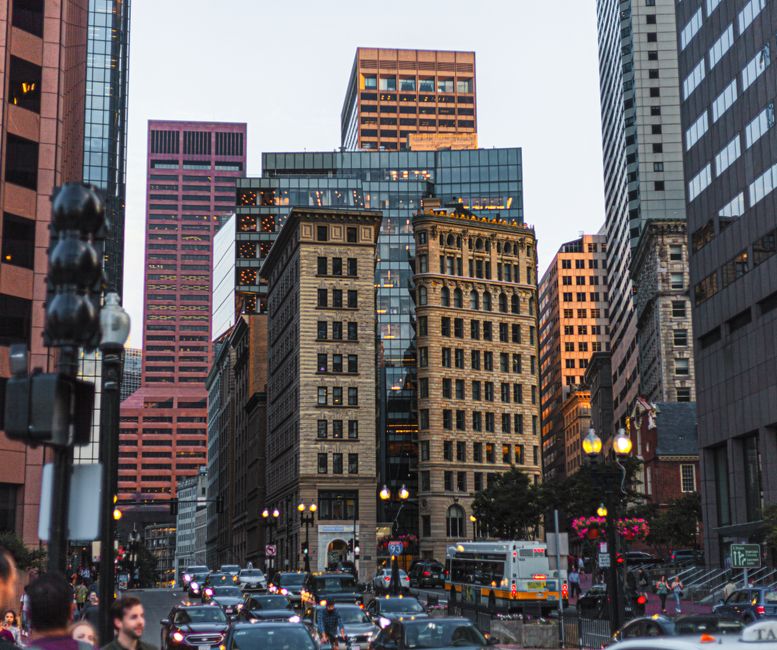
Yet transportation remains stubbornly resistant. Cars and trucks still account for 47% of Boston-area greenhouse gas emissions, despite the MBTA's ridership climbing 12% since 2023. The transit authority now moves 495,000 passengers daily—up from 440,000 three years ago—but vehicles continue to dominate commuting patterns, with 62% of workers still driving to jobs in Downtown Boston, Cambridge, and the Back Bay.
The renewable energy transition has accelerated meaningfully. Solar installations across Boston increased 340% between 2020 and 2026, with 2,847 rooftop systems now generating power. Collectively, they produce 89 megawatts of capacity—enough to power approximately 8,500 homes annually. Meanwhile, the city's municipal buildings have achieved 73% renewable energy usage, up from 14% in 2019.
Green space expansion presents mixed results. The city has planted 18,400 trees since 2022 as part of its urban canopy initiative, exceeding original targets by 23%. However, tree survival rates in heat-intensive neighborhoods like Roxbury and East Boston remain concerning at 67%—lower than the citywide average of 81%—highlighting disparities in environmental resilience across income levels.
Water infrastructure investments have totaled $487 million over five years, with combined sewer overflow events declining 34% in that timeframe. The Charles River Watershed Association reports water quality improvements in 18 of 22 monitored tributaries.
As Boston confronts increasingly severe climate impacts—extreme heat events have tripled since 2015—these numbers suggest the city's strategies are working, but the scale of ambition must match the scale of the challenge.
This article was compiled by AI and screened before publishing. See our editorial standards.
How does this story make you feel?
Spread the word
About this article
Published by The Daily Boston
Daily brief
Free, in your inbox before 7am. Weekdays.
More in News