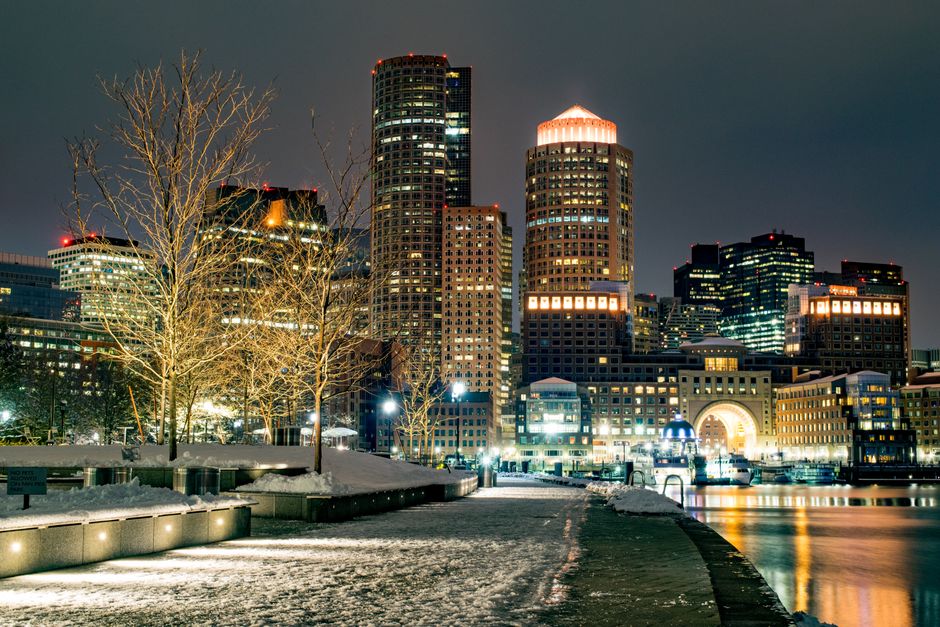
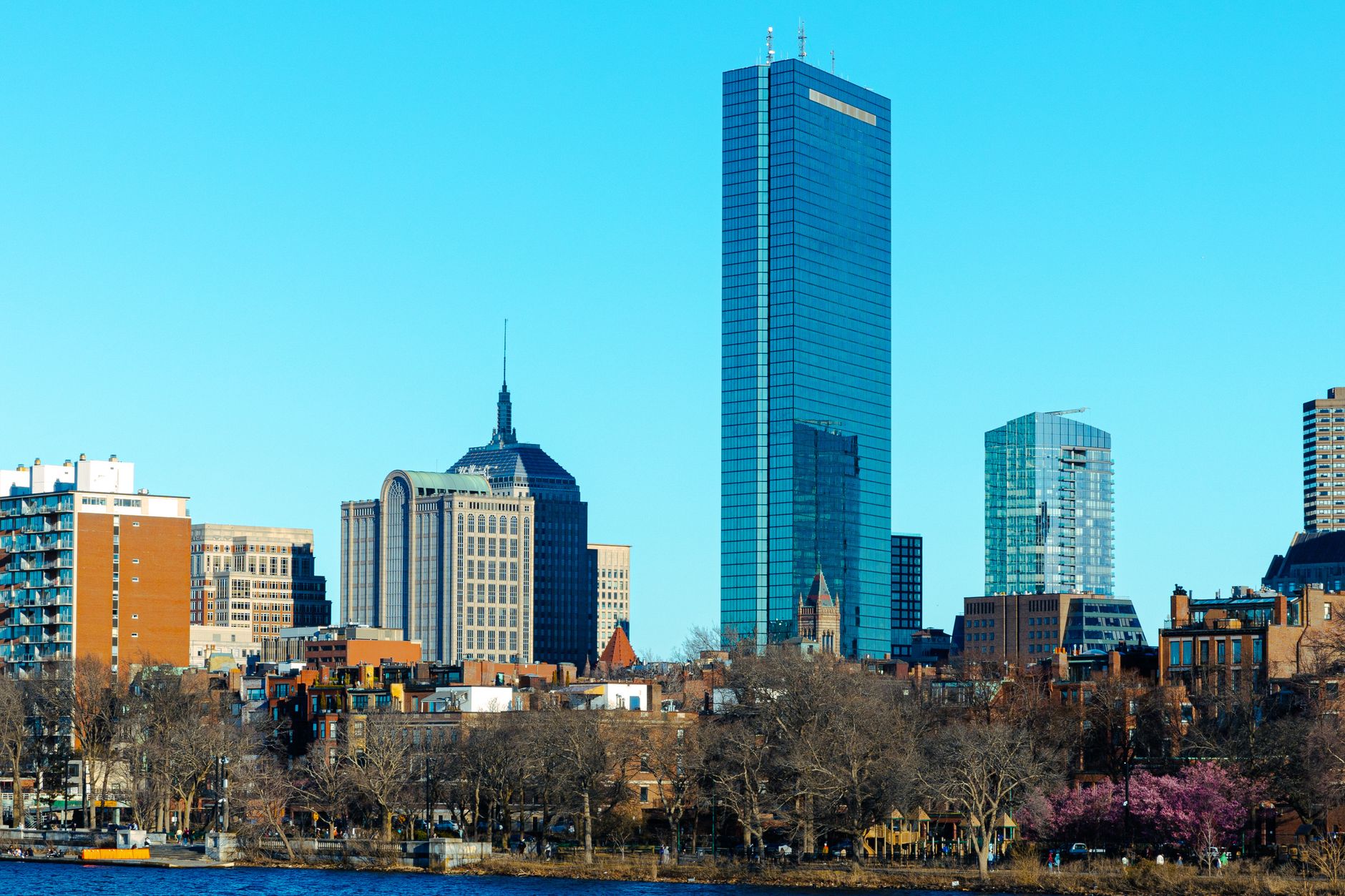
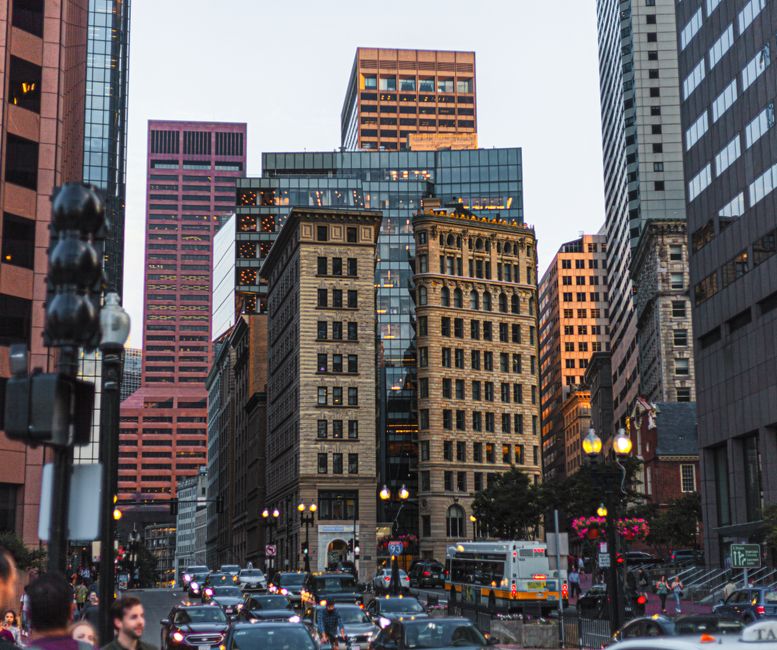
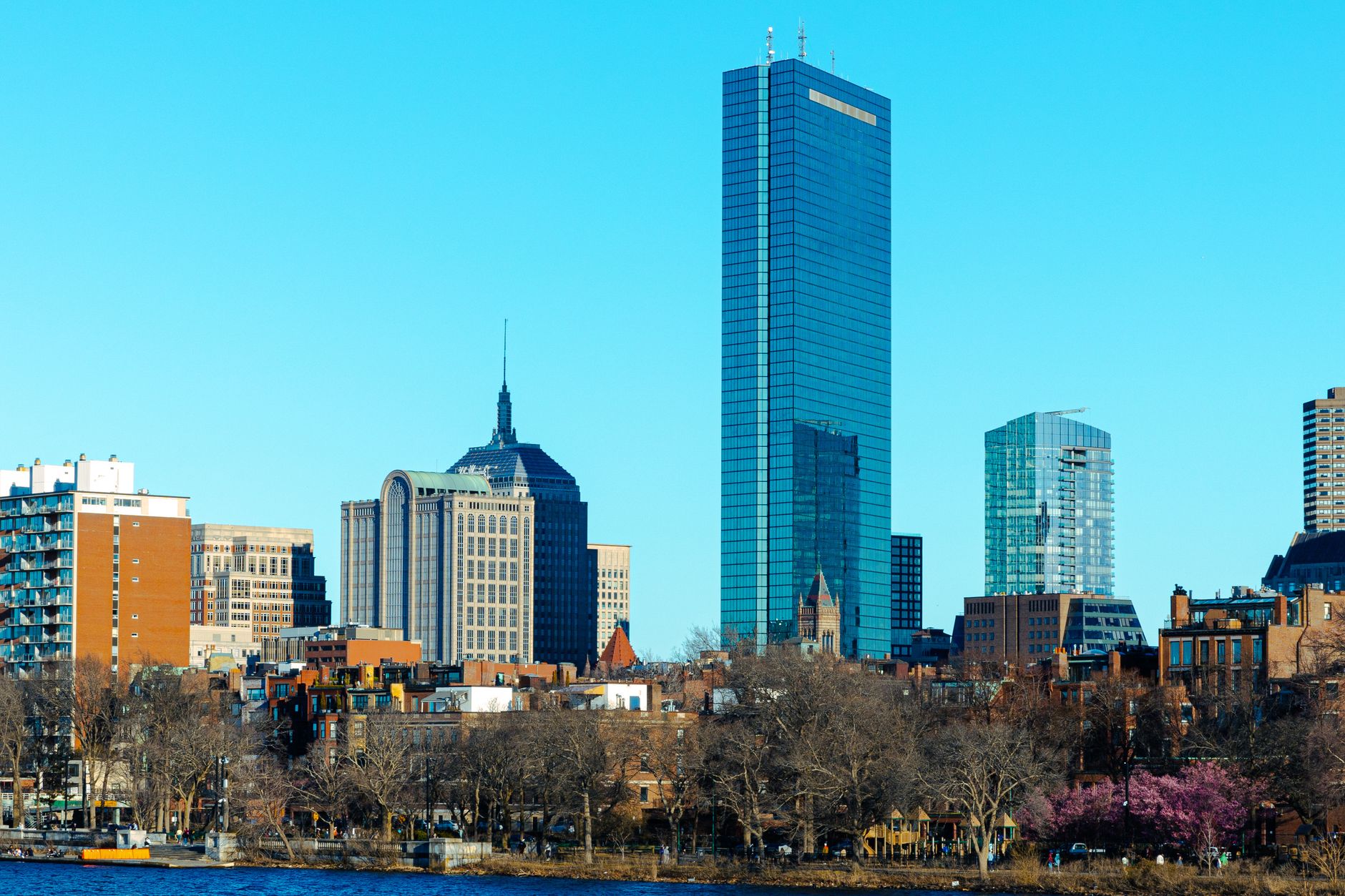
Boston's housing market has become a pressure cooker. With median rents in Back Bay and the Seaport District now exceeding $2,800 for a one-bedroom apartment, the city that once welcomed working-class families is increasingly pricing them out—and longtime residents are sounding the alarm.
Community advocates and neighborhood leaders say the influx of newcomers, while economically beneficial, is fundamentally altering Boston's character. The Massachusetts Tenants Union reports that roughly 45% of Boston renters are cost-burdened, spending more than 30% of their income on housing—a crisis exacerbated by out-of-state relocations.
"We're seeing entire blocks of Jamaica Plain and Roxbury transform overnight," says a spokesperson for the Dudley Street Neighborhood Initiative, a prominent community development organization. "Young professionals are moving here for tech jobs and finance positions, which is fine, but developers are chasing them, and longtime residents get pushed out."
Newcomers often discover the city's realities only after arriving. While neighborhoods like Allston and Dorchester offer cheaper rents—$1,900 and $2,100 respectively—commutes to downtown Boston can stretch 45 minutes. Meanwhile, amenities that long-time residents cherish, from corner bodegas to family-owned restaurants along Hanover Street in the North End, are steadily replaced by chains and upscale establishments.
Local organizations are fighting back. The Tenants' Advocacy Coalition has expanded programs helping renters navigate lease agreements and tenant rights. The Boston Planning & Development Agency has partnered with neighborhood groups to encourage affordable housing development, though progress remains slow. Inclusionary zoning policies now require 13% of new residential developments to include affordable units, but enforcement gaps remain.
The tension is real: economic growth versus community stability. Technology firms and healthcare institutions continue recruiting nationally, bringing investment and jobs. Yet residents from Mattapan to East Boston worry their neighborhoods are becoming unrecognizable.
For newcomers considering the move, community leaders offer practical advice: spend time in neighborhoods before committing; engage with local organizations like the Boston Neighborhood Network; and recognize that Boston's soul lies not in its gleaming waterfront development but in its working-class roots and diverse communities—roots that are increasingly threatened.
The question facing Boston today is whether the city can grow without losing itself.
This article was compiled by AI and screened before publishing. See our editorial standards.