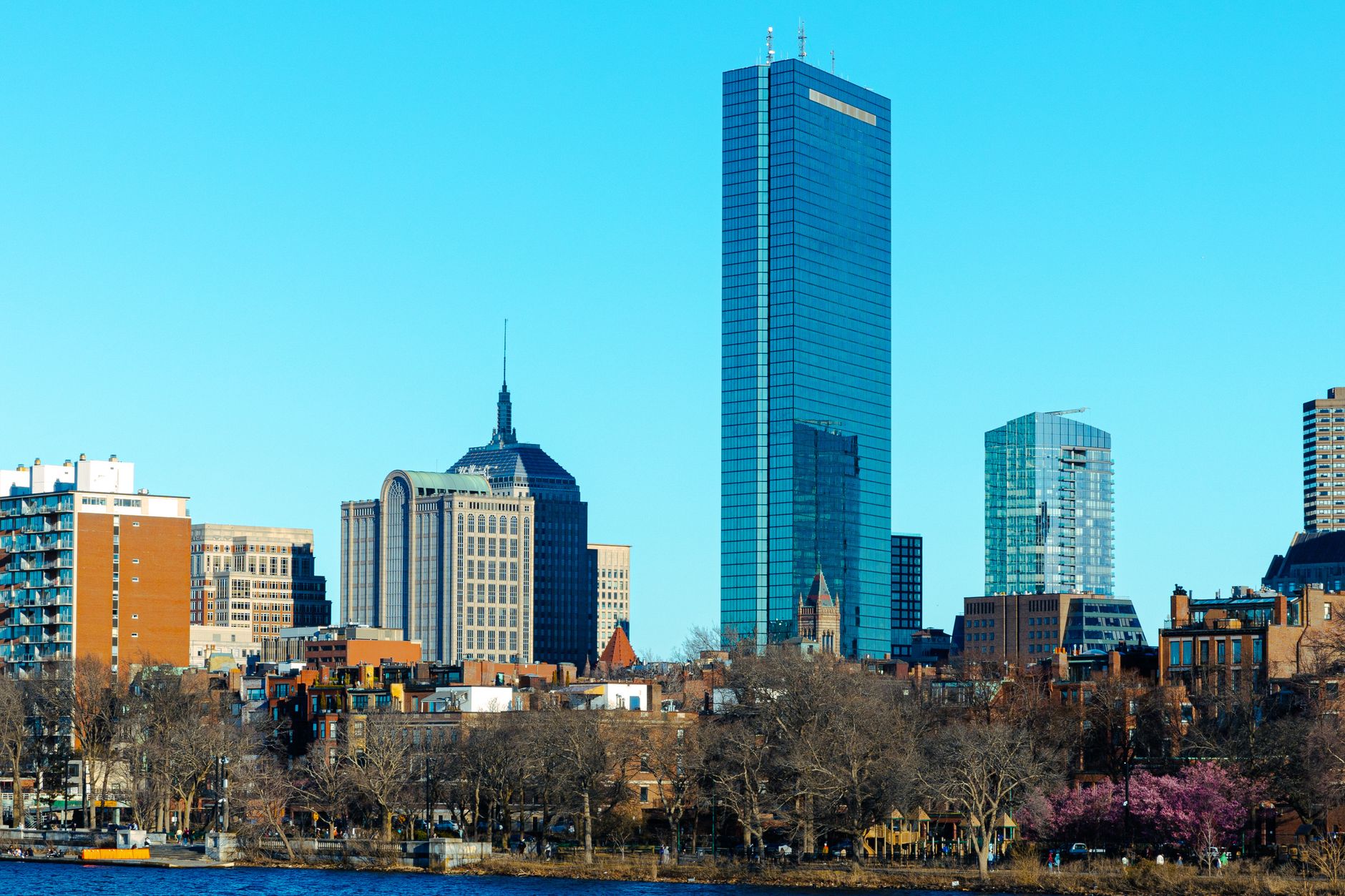
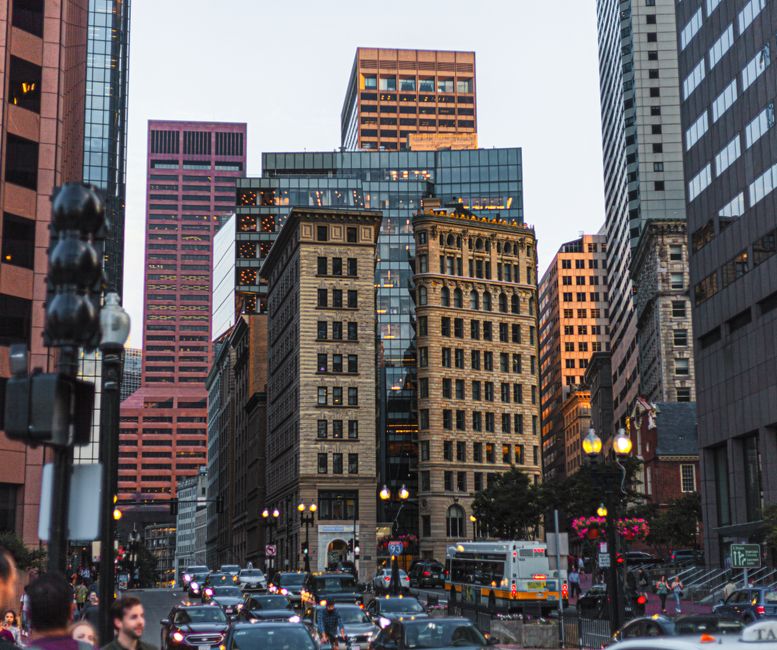
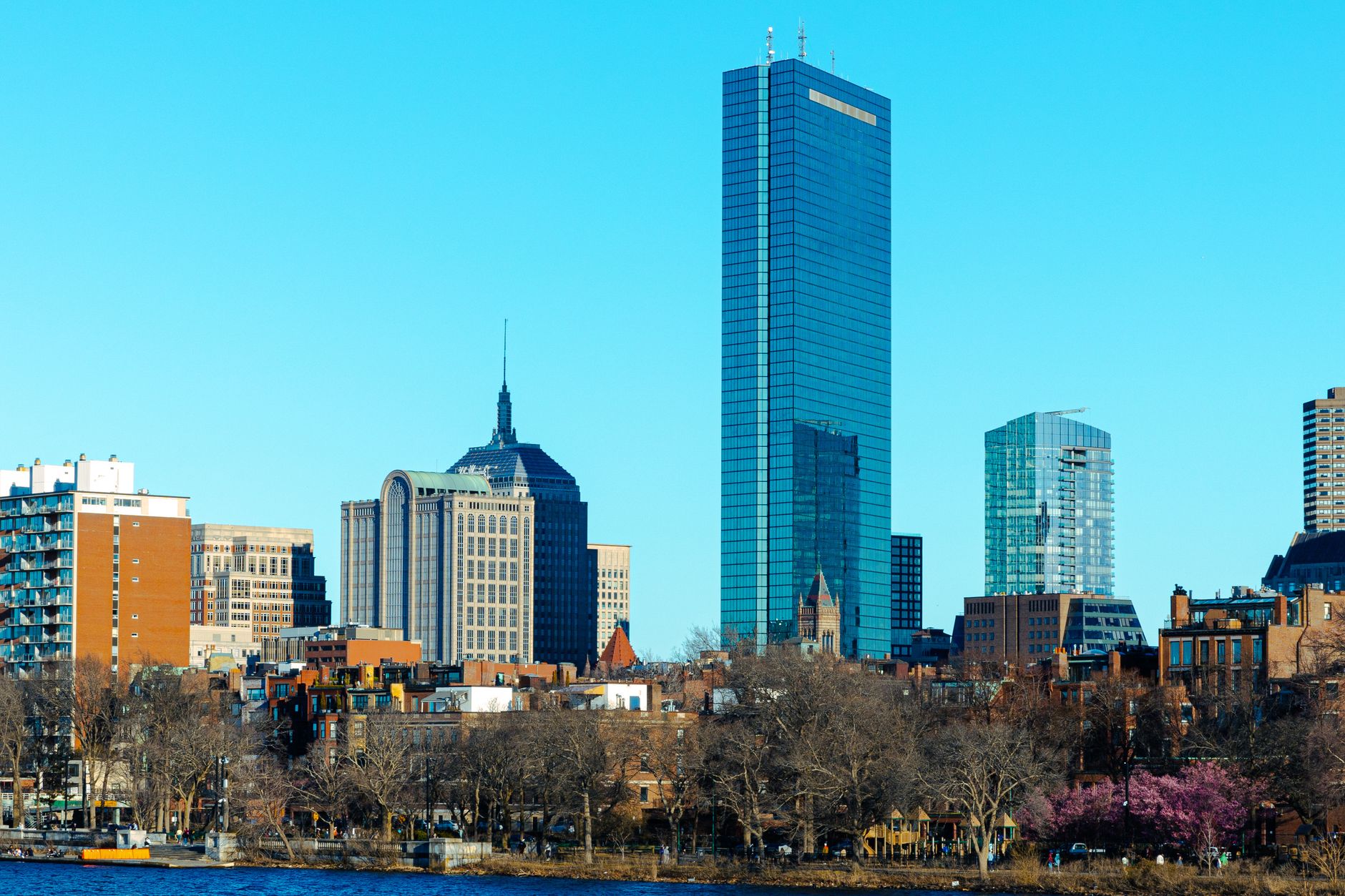
By the Numbers: How Boston's Housing Crisis Became a Math Problem City Planners Can't Solve
New data reveals the widening gap between development targets and reality across Boston's neighborhoods, exposing the scale of the affordability crunch.
New data reveals the widening gap between development targets and reality across Boston's neighborhoods, exposing the scale of the affordability crunch.
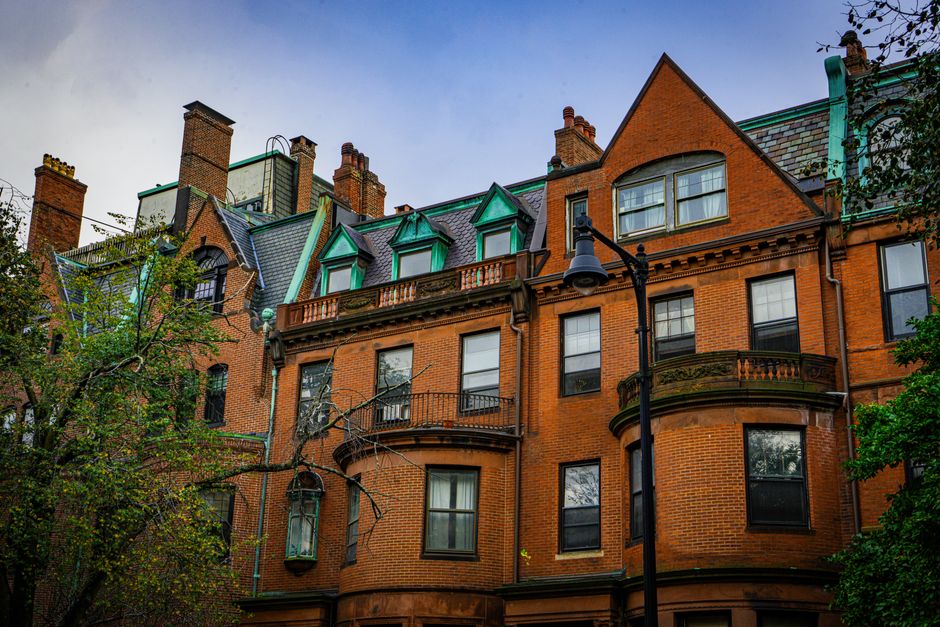
Boston's housing crisis has always been a story about numbers that don't add up. But a fresh set of municipal data, compiled by the Boston Planning & Development Agency and released this month, puts precise figures on a problem that has long felt abstract to residents watching rents climb across Allston, Jamaica Plain, and Dorchester.
The figures are stark. The city needs 69,000 new housing units by 2030 to meet demand, according to projections from the Metropolitan Area Planning Council. As of June 2026, only 8,400 units have been completed in the past five years—roughly 12 percent of the way there. At the current pace, Boston won't reach its target until 2047.
Pricing tells an even grimmer story. Median rent for a one-bedroom apartment in the Back Bay has climbed to $2,850 monthly, up 34 percent since 2020. In Beacon Hill, median home prices have crossed $1.2 million, pricing out all but the wealthiest buyers. Even in traditionally more affordable neighborhoods like Roxbury and East Boston, median rents have jumped to $1,650 and $1,780 respectively—increases of 41 and 38 percent over the same five-year period.
The data suggests zoning restrictions remain the primary culprit. Only 23 percent of Boston's residential land permits multi-family housing, compared to 45 percent in Cambridge and 52 percent in Minneapolis. A recent analysis found that projects approved in South Boston averaged 142 units, while those in the Seaport District averaged 287—revealing how neighborhood politics fragment development strategy.
City Hall's own projections show that without intervention, 62 percent of Boston renters will spend more than 30 percent of their income on housing by 2030, up from 48 percent today. For households earning under $35,000 annually, the figure reaches 89 percent.
The Planning Board approved 2,340 units in 2025, a 17 percent increase from the previous year. But experts note that approvals don't translate directly to construction—permitting delays and financing challenges mean actual completions lag by two to three years. Meanwhile, the city's inclusionary housing policy requires 13 percent affordability in new developments, generating roughly 900 affordable units annually against a need for 4,500.
As Boston enters a critical decade of demographic and economic change, the data paints a picture of a city caught between ambition and execution. The question now isn't whether the numbers tell a story—they do, loudly. It's whether they'll finally spur the policy changes needed to close the math.
This article was compiled by AI and screened before publishing. See our editorial standards.
How does this story make you feel?
Spread the word
About this article
Published by The Daily Boston
Daily brief
Free, in your inbox before 7am. Weekdays.
More in News