Boston's Transit Overhaul Faces Global Competition as Cities Race to Modernize Infrastructure
As the MBTA pursues its Green Line expansion to Somerville, comparable metros worldwide are advancing faster—and teaching lessons about what works.
As the MBTA pursues its Green Line expansion to Somerville, comparable metros worldwide are advancing faster—and teaching lessons about what works.
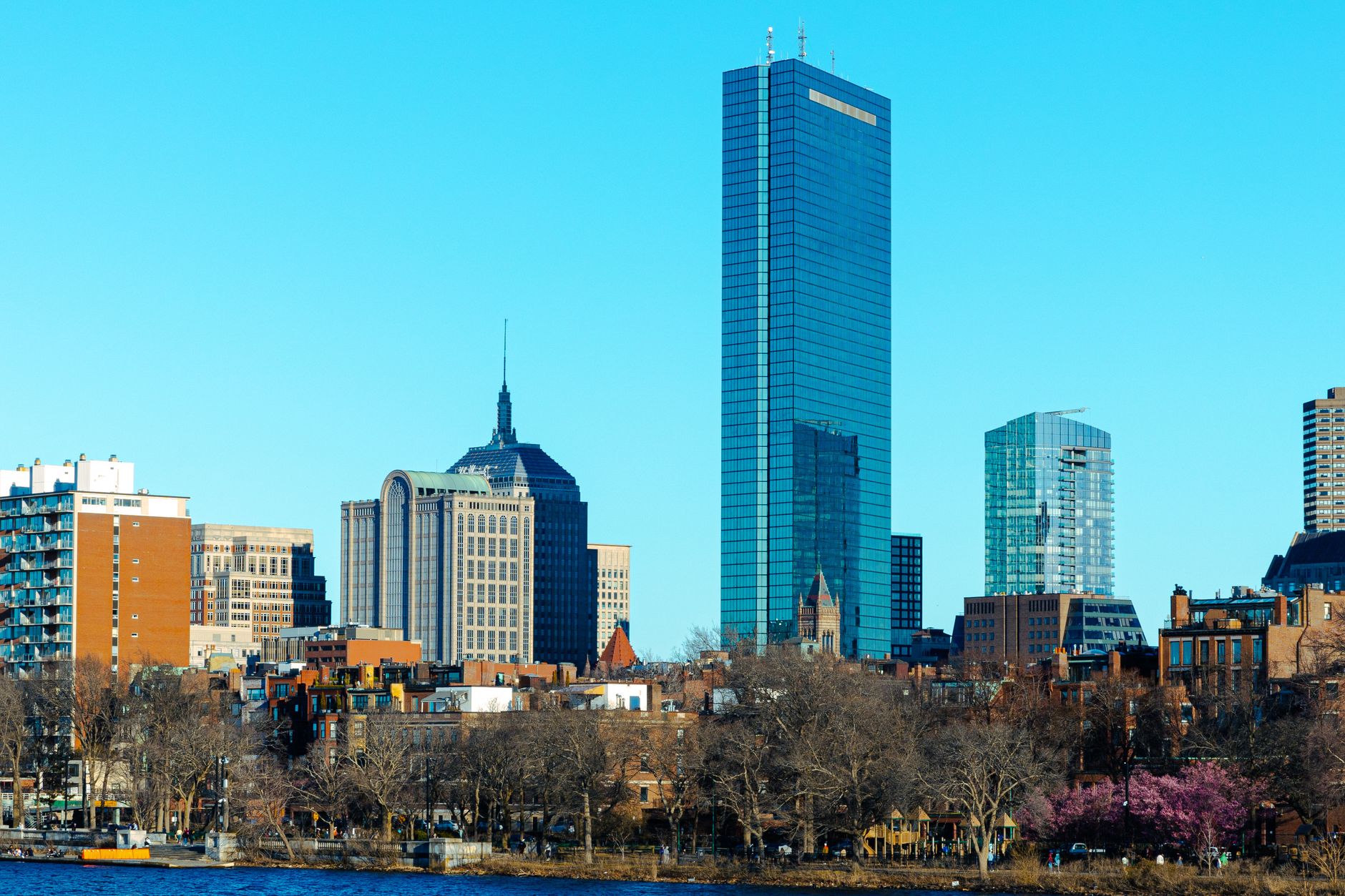
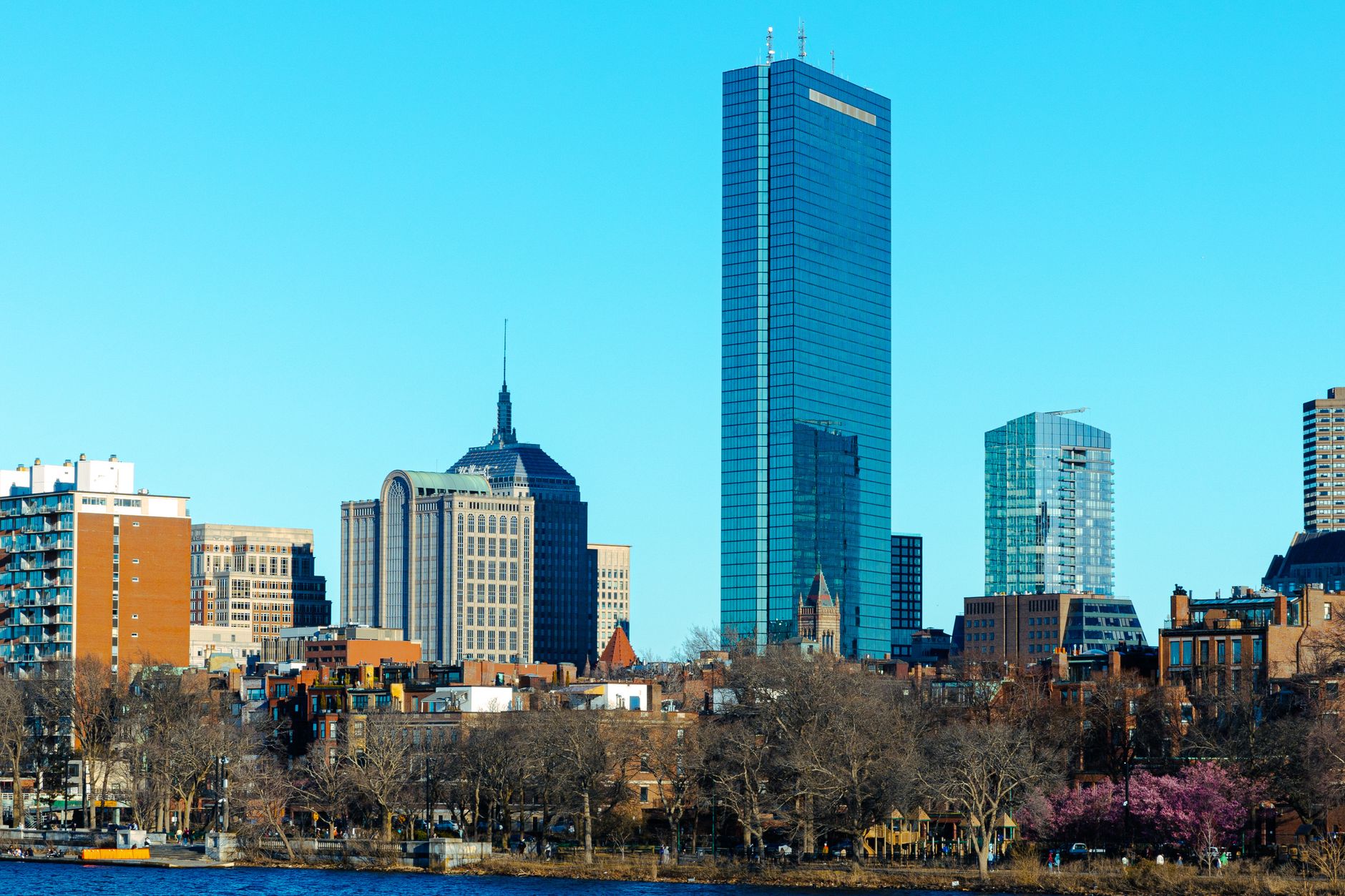
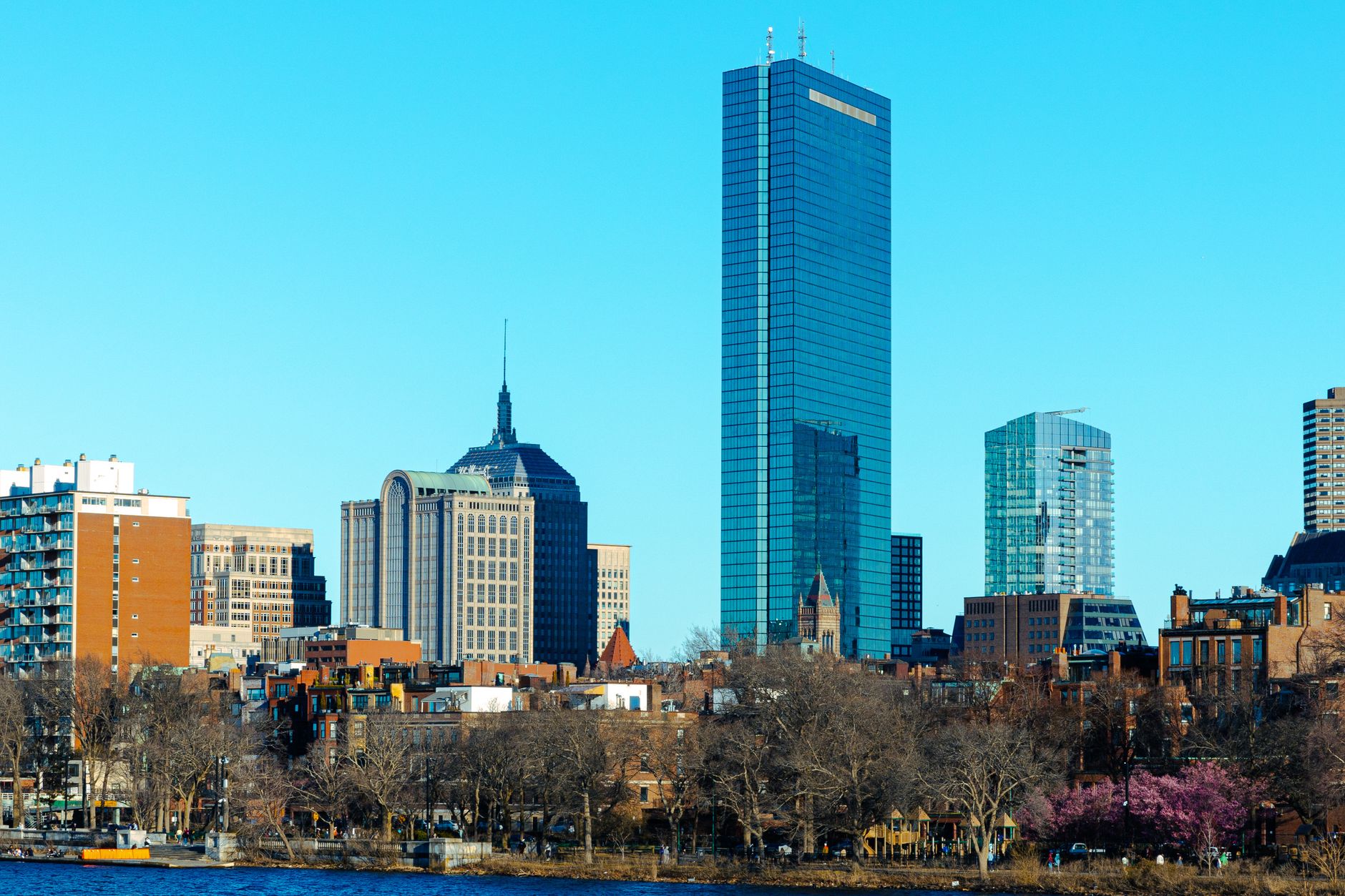
Boston's infrastructure ambitions are ambitious by American standards, yet increasingly modest when measured against peer cities navigating similar modernization challenges. The MBTA's ongoing Green Line Extension to College Avenue in Somerville—a $2.3 billion project now entering its final phases—represents the kind of regional transit investment that Boston views as transformative. But globally, cities are thinking bigger, faster, and with greater urgency about moving people efficiently.
Take Seoul's approach. Over the past two decades, the South Korean capital has built more than 900 kilometers of subway track, effectively tripling its rapid transit network. Meanwhile, Boston's entire MBTA rail system spans roughly 125 kilometers. Copenhagen, a city of comparable size to Boston, has invested heavily in cycling infrastructure and light rail, moving towards car-free urban zones while Boston still grapples with vehicle congestion on the Mass Pike and Route 93.
The financial model matters. Tokyo funds its subway system partly through mixed-use development around stations—a strategy Japanese planners call "station-centered development." Boston is experimenting with this around the new Green Line terminus in Somerville, but the pace lags behind precedents in London, where station areas like King's Cross have generated billions in private investment alongside public transit improvements.
The cost differential is striking. Boston's Green Line Extension averaged roughly $500 million per mile. By contrast, Paris's Line 14 extension, completed in phases through the 2010s, averaged significantly less per kilometer, partly due to streamlined permitting and construction timelines. Berlin's recent U-Bahn projects have similarly benefited from clearer bureaucratic pathways.
Climate pressures are reshaping these conversations. Copenhagen has declared a goal of becoming carbon-neutral by 2025, backed by transit investment that makes car ownership less necessary. Boston's Climate Action Plan targets carbon neutrality by 2050—a timeline that makes some urban planners question whether current infrastructure spending keeps pace with the urgency.
What Boston does well is its regional coordination. The MBTA's network connects Framingham, Providence, and beyond. This integrated thinking reflects a maturity that newer rapid-transit cities are still developing. The challenge is execution speed and ambition. While the Green Line Extension addresses real connectivity gaps between Cambridge and Somerville, cities like Amsterdam have overhauled entire neighborhoods around new transit corridors in similar timeframes.
The real lesson isn't that Boston is failing. It's that infrastructure modernization increasingly demands the pace and scale of global competitors. As Boston positions itself for the next 20 years, watching what works in Seoul, Copenhagen, and Paris isn't academic interest—it's practical necessity.
This article was compiled by AI and screened before publishing. See our editorial standards.
How does this story make you feel?
Spread the word
About this article
Published by The Daily Boston
Daily brief
Free, in your inbox before 7am. Weekdays.
More in News