Boston's Green Push Shows Promise, but Lags Behind ...
As the city commits to carbon neutrality by 2050, local officials grapple with the pace of change that rivals are already delivering.
As the city commits to carbon neutrality by 2050, local officials grapple with the pace of change that rivals are already delivering.
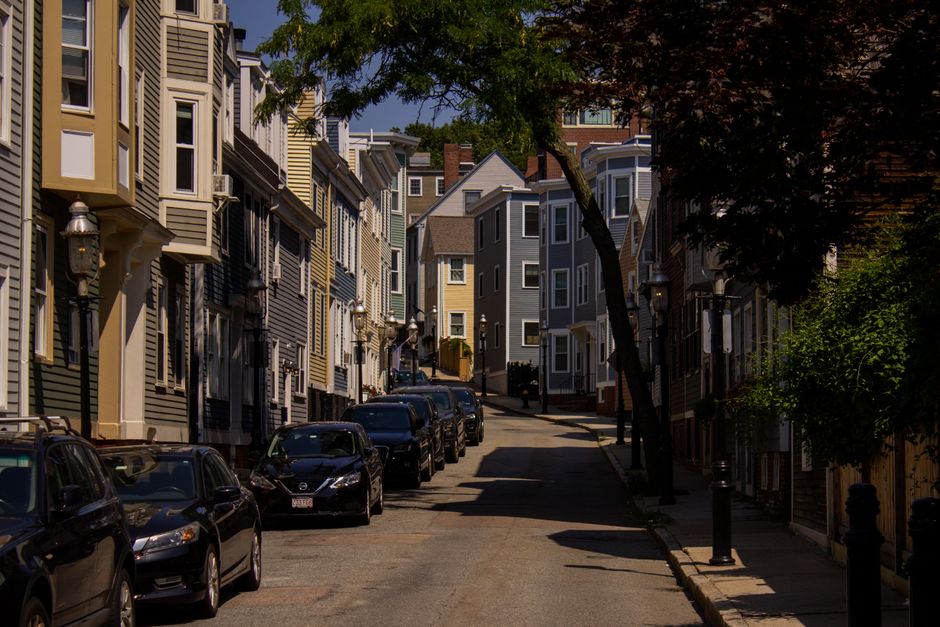
Boston's waterfront has long defined the city's identity, but climate change threatens to remake it entirely. Rising sea levels could inundate neighborhoods from the Seaport District to East Boston within decades. That urgent reality has spurred the city to accelerate its sustainability agenda—yet a comparison with global peers reveals Boston is playing catch-up on several critical fronts.
In 2021, Boston committed to achieving net-zero greenhouse gas emissions by 2050, with intermediate targets requiring a 50 percent reduction by 2030. It's an ambitious goal, supported by the city's Climate Action Plan and partnerships with institutions like MIT and the Boston University Initiative on Cities. Yet cities like Copenhagen and Singapore have already implemented far more aggressive timelines and infrastructure overhauls.
Copenhagen, often cited as a global sustainability leader, operates on a 2025 carbon-neutral target and has spent decades building cycling infrastructure that now accounts for nearly 45 percent of commutes in the city center. Boston's comparable figure hovers around 3 percent, though the city has invested $20 million in expanding bike lanes along the Emerald Necklace and connecting neighborhoods like Jamaica Plain to downtown.
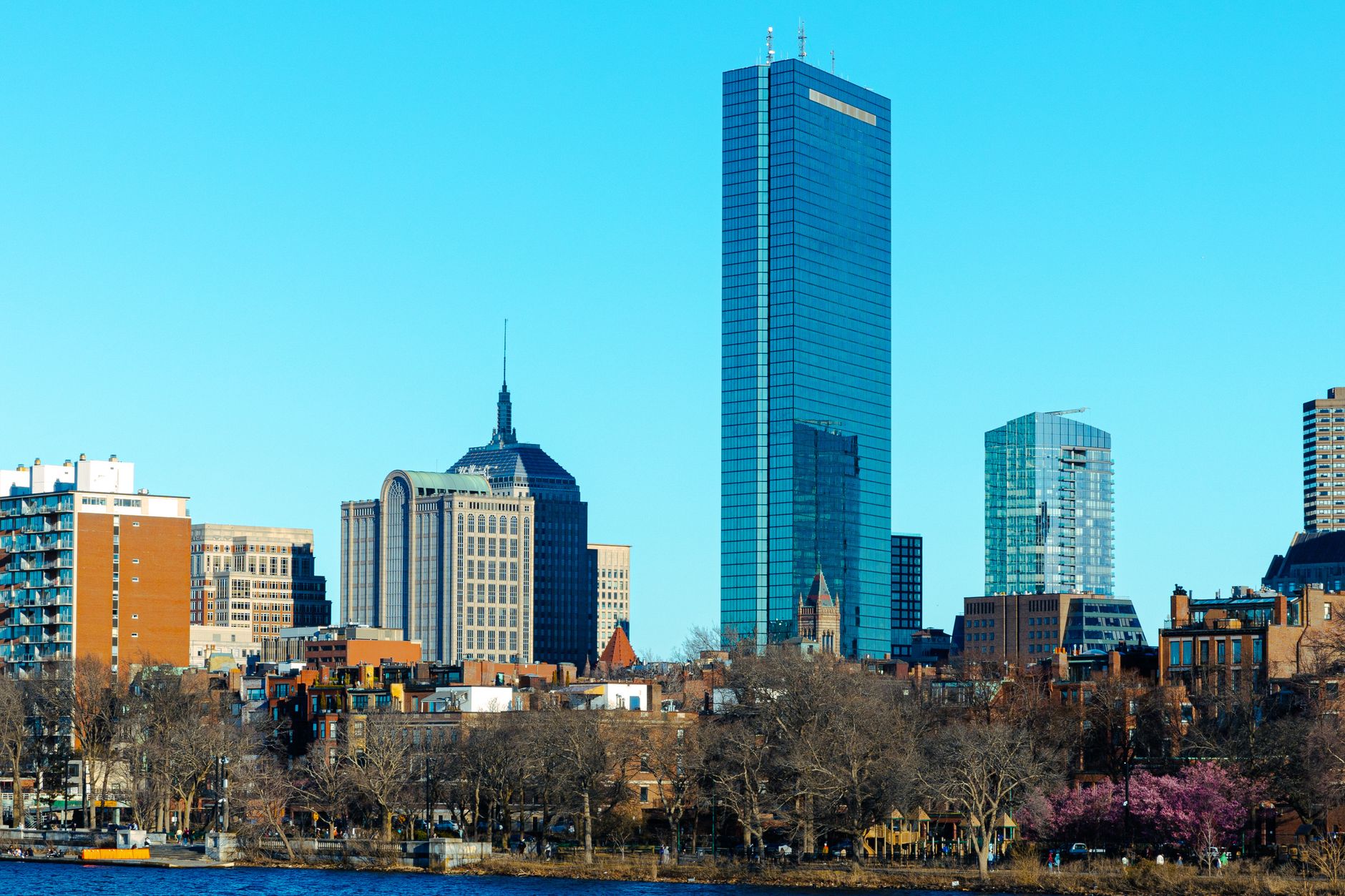
Singapore presents another model: the island-city-state has mandated that 80 percent of buildings achieve green certification by 2030. Boston's Prudential Center underwent LEED renovation in recent years, and several Back Bay office towers have followed suit, but no citywide mandate exists. City officials acknowledge the regulatory gap.
The cost differential is stark. A family in Boston can expect to pay $150 to $200 monthly for green energy options through Eversource, compared to Copenhagen's municipally owned district heating system, which operates at roughly half that cost through economies of scale. Boston's residential recycling program, expanded in 2023, still relies on curbside collection—less efficient than Singapore's centralized waste management hubs.
Where Boston excels is in academic innovation and adaptive reuse. The Bulfinch Triangle's recent transformation into a mixed-use district incorporated green roofs and permeable paving, while the transformation of the Seaport has prioritized resilient building design. Such projects demonstrate how cities can marry development with environmental responsibility.
Yet experts argue Boston needs systemic change. «We have the knowledge and capital,» says one local environmental consultant. «What's missing is the political will to match Copenhagen's investment levels or Singapore's regulatory framework.» With sea levels projected to rise 12 inches by 2050, Boston's climate timeline may ultimately decide the debate.
This article was compiled by AI from the sources linked above and screened before publishing. See our editorial standards.
How does this story make you feel?
Spread the word
About this article
Published by The Daily Boston
Daily brief
Free, in your inbox before 7am. Weekdays.
More in News